
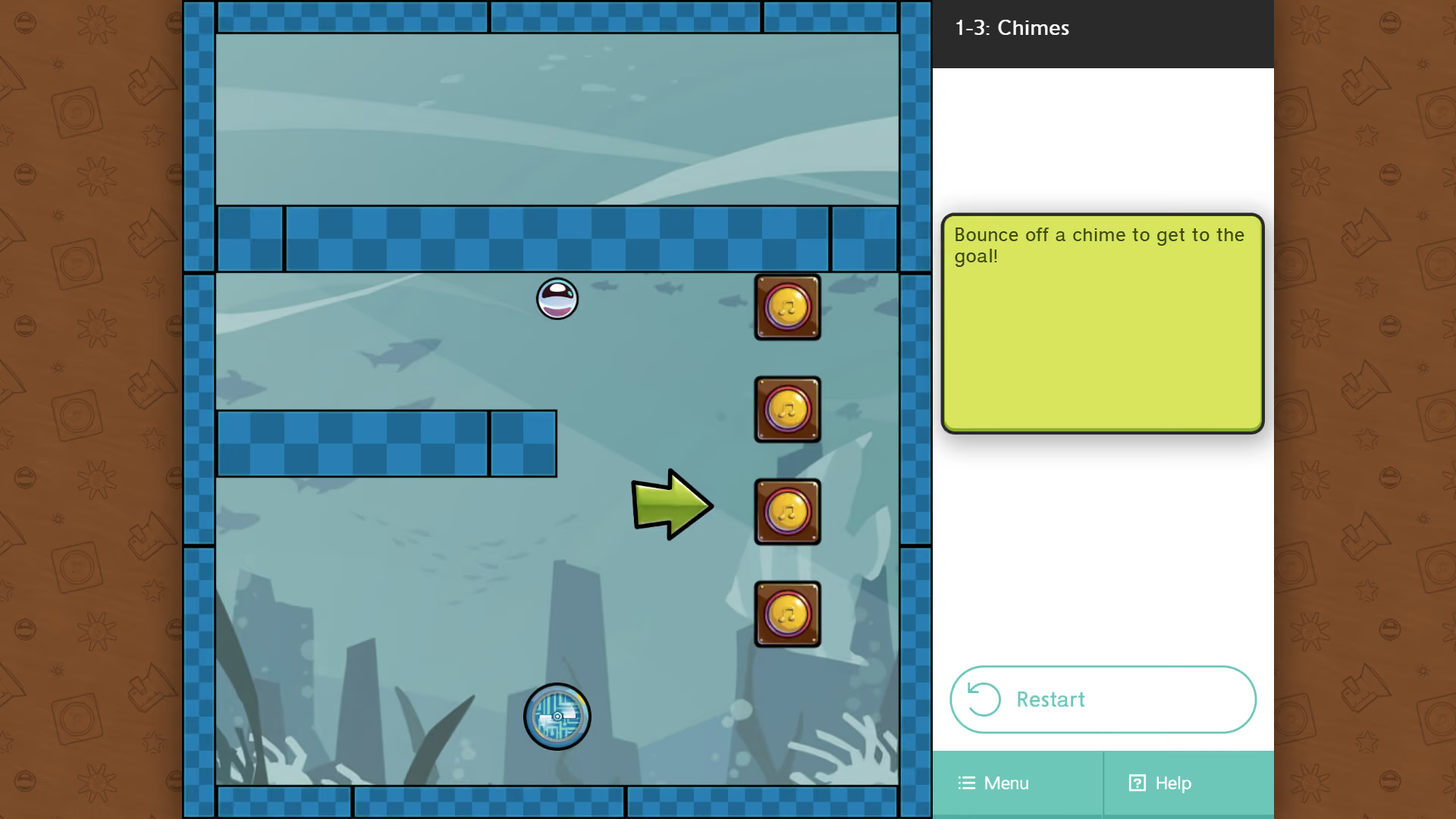
Pinball Energy Challenge is a physics learning game developed with McGraw-Hill that focuses on energy transfer and transformation. Players guide a pinball through interactive environments, observing how different objects convert energy between forms while solving physics-based challenges.
Explore →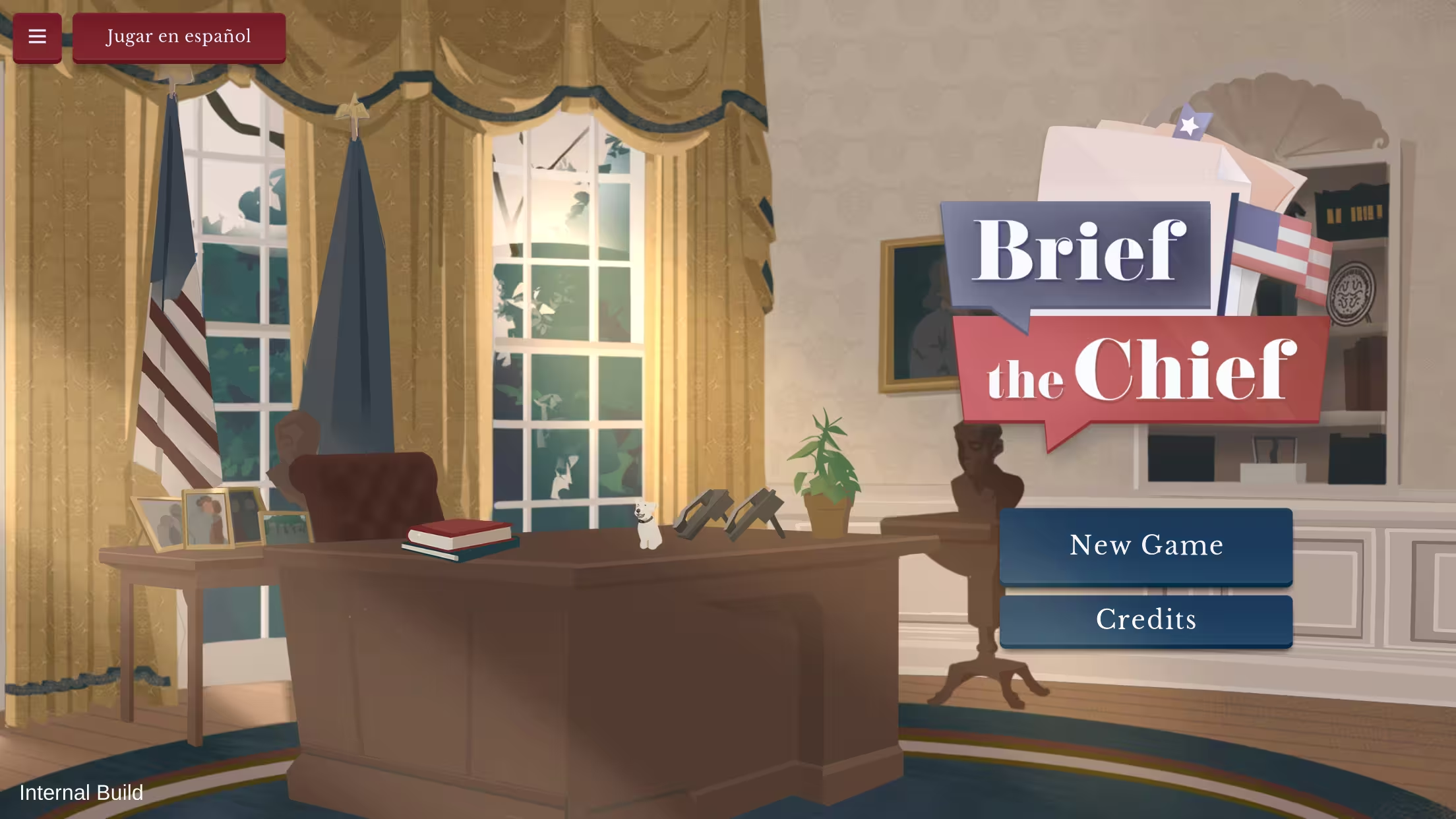
Brief the Chief is a history and civics learning game developed with iCivics that challenges students to advise U.S. presidents through major historical events. Players consult with White House figures and use evidence-based reasoning to deliver presidential briefings to Presidents Jefferson, Lincoln, and Johnson.
Explore →As a set of guiding principles for modern sustainable governance, the United Nations Sustainable Development Goals lay out a roadmap for global progress on climate, equality, and infrastructure. While it’s easy enough to codify and talk about these goals, turning them into something students and communities can act on is a harder problem, and organizations are increasingly reaching for game-based learning to solve it. Custom educational games connect policy to behavior by putting players inside simulations and interactive stories, where they can test decisions and watch the consequences play out. Studies from around the world back this up, showing how well-designed interactive systems support pro-environmental intentions and help communities plan for climate risk, all while keeping learners engaged. For organizations working to educate audiences on complex environmental topics, these findings offer concrete evidence for why play works. Here is a look at what the latest research says about playful sustainability education:
One of the big advantages of building a custom sustainability tool is that you can make sure the learning objectives are lined up with engaging gameplay mechanics. A 2025 study in Sustainability examined Play IT Cool, a web platform that pairs Self-Determination Theory with the Mechanics, Dynamics, and Aesthetics framework to teach climate action. Researchers tested the tool with university students and found that building mechanics around core psychological needs (autonomy, competence, and relatedness) led to stronger positive emotions and motivation. Collaborative multiplayer modes gave an added boost to players' sense of relatedness and peer satisfaction. For anyone investing in educational software, it’s important to note that grounding a project in a formal psychological framework helps keep learners engaged through complex environmental material.
Urban planning efforts sometimes stall out when stakeholders can't picture how a complex piece of infrastructure will actually work. A 2026 study in Urban Design and Planning by Crowe, Dawson, and AlWaer shows how serious games and playful participatory methods open up inclusive climate adaptation planning. Working with residents, students, and practitioners in Scotland, the researchers used serious games and LEGO Serious Play to help communities design blue-green infrastructure for flood resilience. The hands-on format let participants raise flood-risk concerns alongside the things they cared about locally, from biodiversity to public amenity to wellbeing. For public sector clients and city planners, custom game development connects technical engineering to public policy in a form people can engage with. It gives a wide range of stakeholders a way to co-create workable solutions together, rather than handing them a stack of technical documents to read.
Measuring how much interactive software actually shifts ecological awareness has long been tricky for educational institutions. A late 2025 study in Frontiers in Education by Talavera-Mendoza, Cahuana Suni, and Cayani Caceres evaluated 197 high school students to see whether a gamified lesson could support pro-environmental intentions. The researchers found a strong, statistically significant positive correlation between how much students enjoyed the gamified experience and their self-reported ecological awareness. The authors are careful to note the data is correlational and self-reported, so it points to a relationship rather than proof of long-term behavior change. Even so, the findings suggest that when students enjoy a well-made learning game, their environmental awareness tends to rise with it. When you're building digital curricula for younger students, that connection is a good reason to invest in gameplay that adequately holds their attention.
~
These findings make a strong case for custom educational games as a way to turn broad sustainability goals into something students and communities can act on. When you align game mechanics with psychological frameworks and bring people into the planning through play, educational game developers can help institutions make a lasting difference on the issues that matter to them. Interested in creating custom educational games that advance your sustainability initiatives? Let's talk.
Best practices for preventing motion sickness while maximizing learning outcomes.
Best practices for preventing motion sickness while maximizing learning outcomes.
Get the latest Game-Based Learning Review content delivered to your inbox, including new articles, videos, and industry insights.