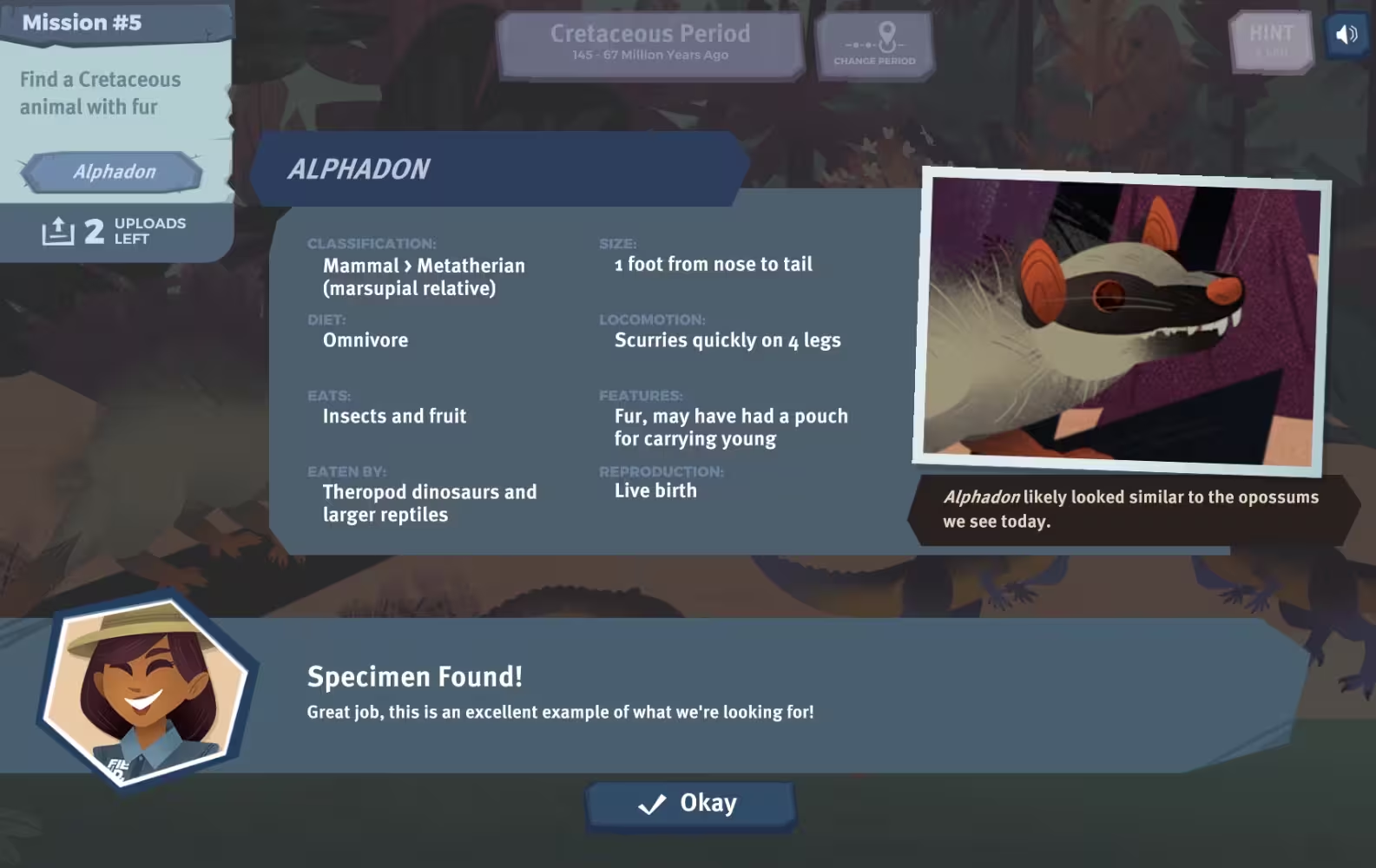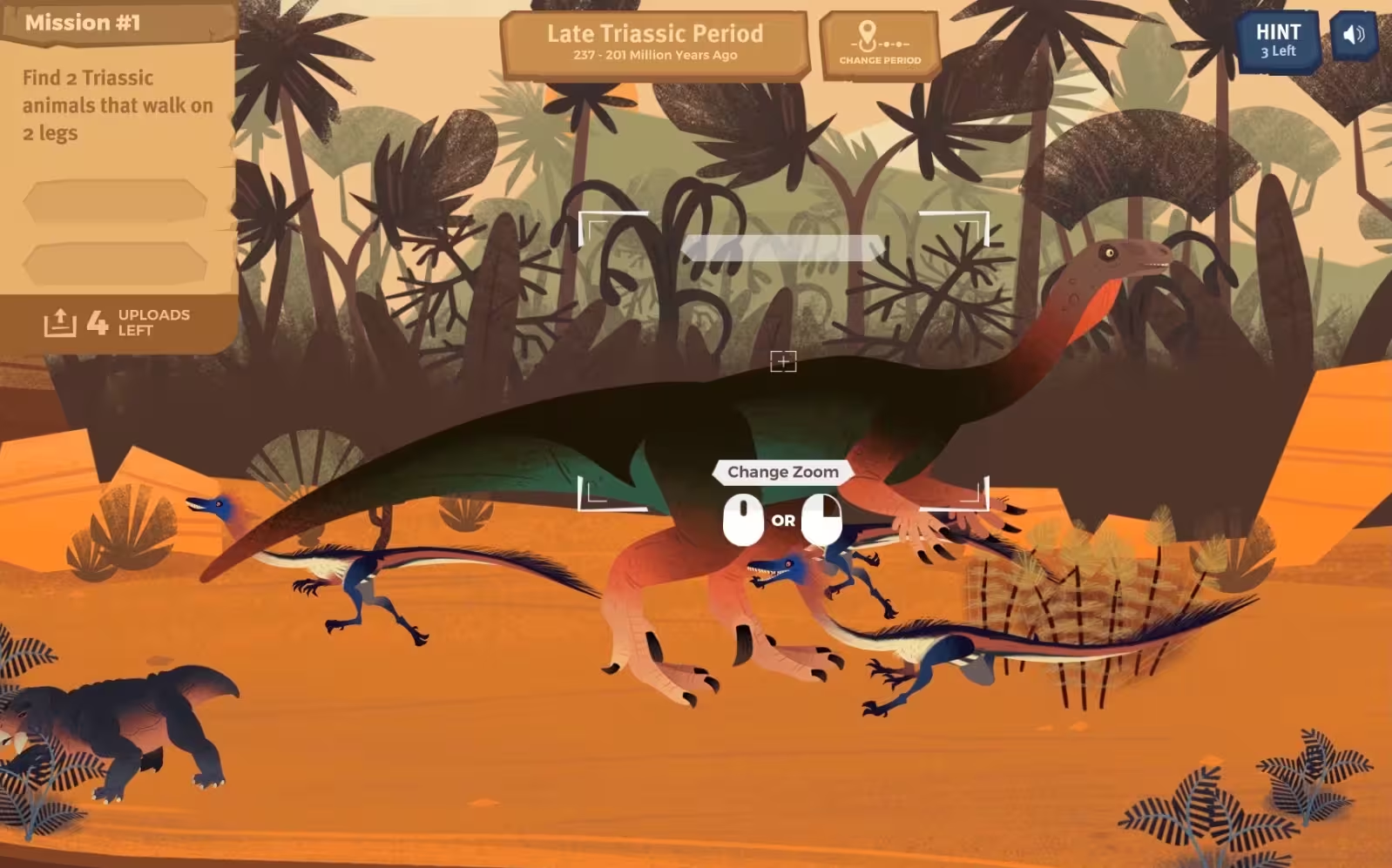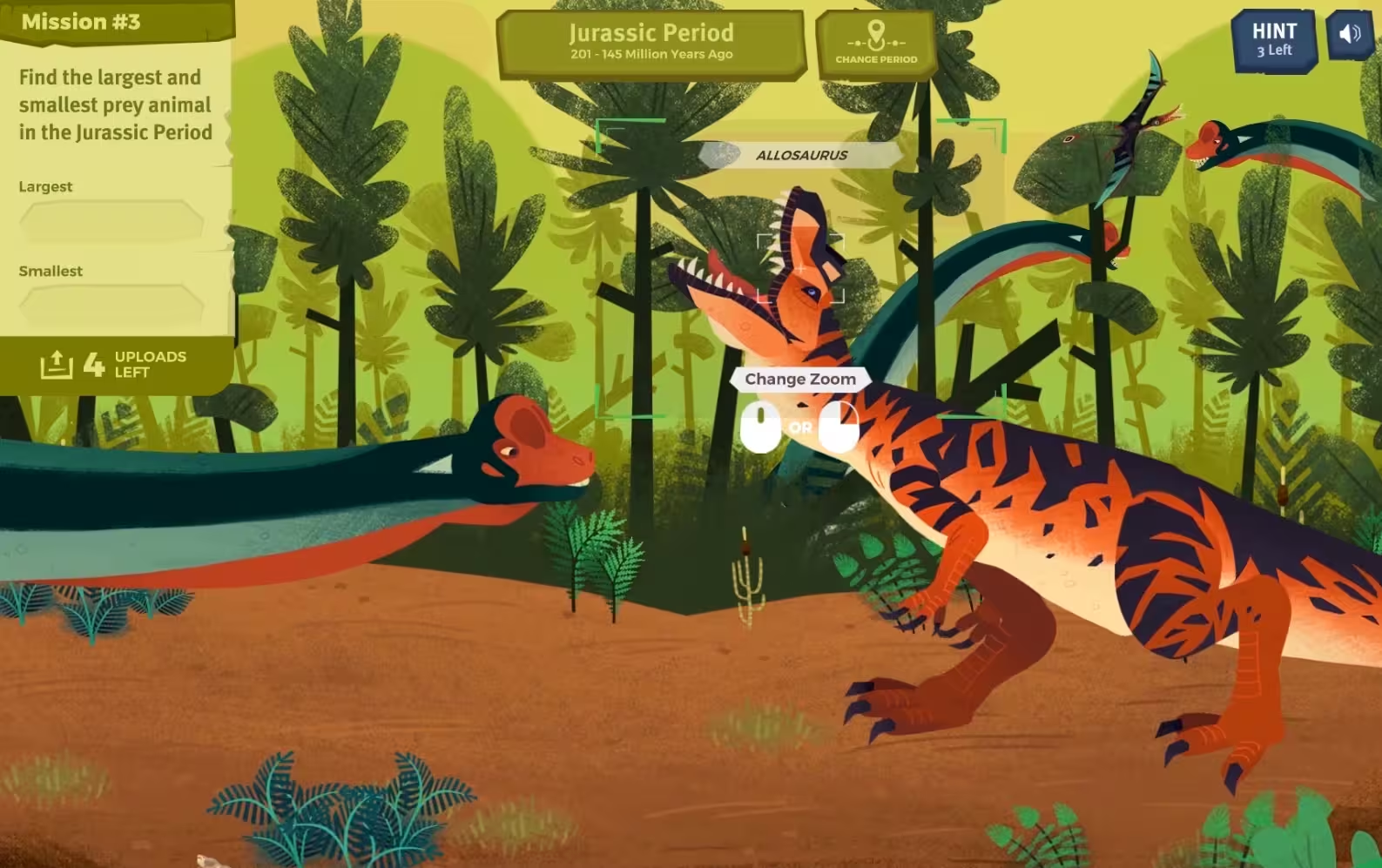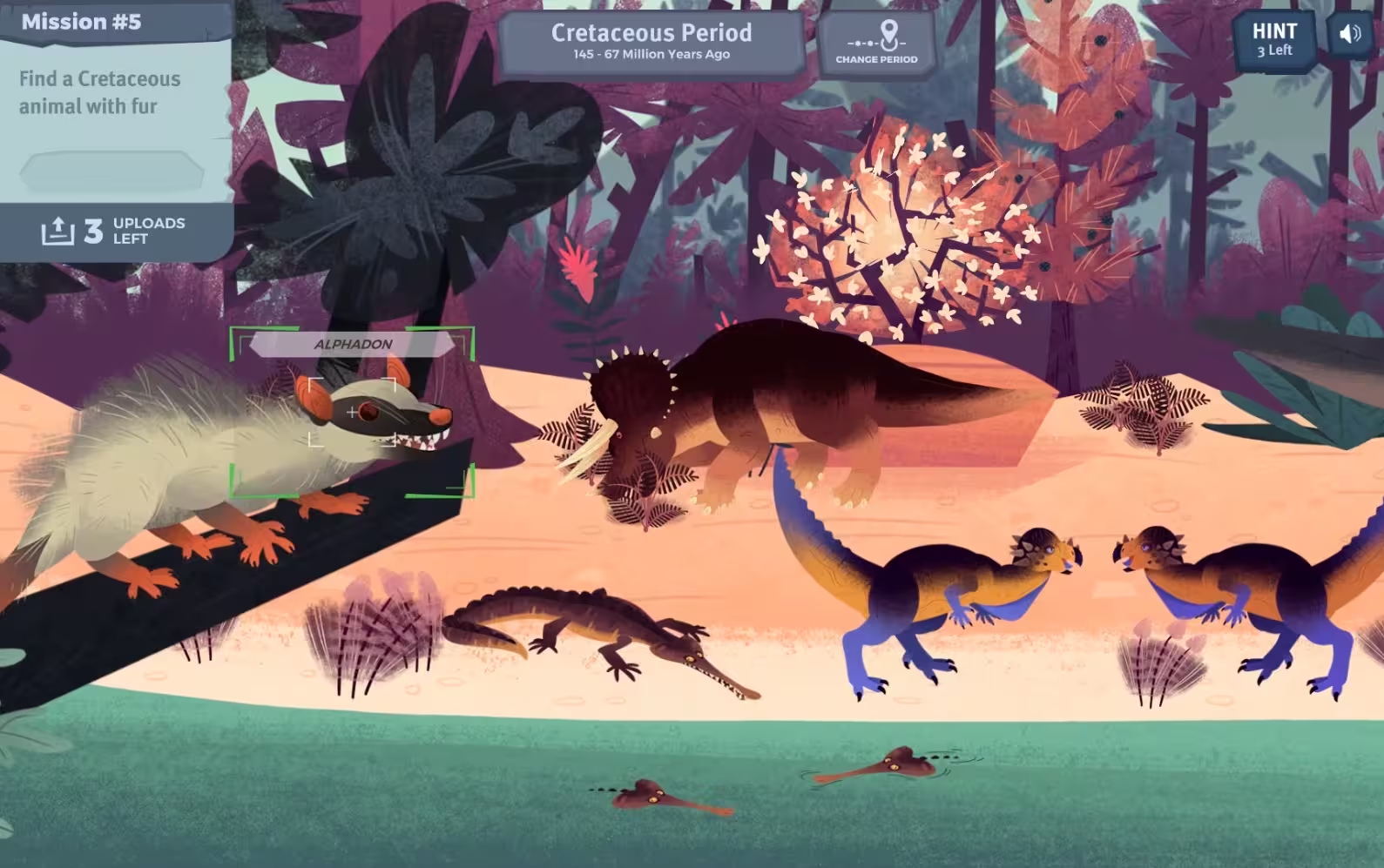
Mission to the Mesozoic is a learning game developed for the Field Museum that teaches adolescents about the Triassic, Jurassic, and Cretaceous periods. Players travel between eras as photographers, analyzing plants, animals, and environments to understand how they are connected.
Mission to the Mesozoic is a learning game developed for the Field Museum that teaches adolescents about the Triassic, Jurassic, and Cretaceous time periods. Players travel between eras as a time-hopping photographer, analyzing plants, animals, and environments to understand how they are connected. This interactive experience allows players to document prehistoric life, exploring the biological and environmental relationships that define these three distinct geological eras.
Geologic Time Periods, Paleontology, Evolutionary Relationships, Earth Science


Move back and forth between the Triassic, Jurassic, and Cretaceous eras.
Examine plants, animals, and environmental features in each period.


Identify connections between organisms and environments across eras.
Assume the role of a photographer documenting prehistoric life.

Understanding deep time and evolutionary relationships helps learners make sense of how life on Earth has changed. Mission to the Mesozoic supports this understanding by encouraging observation, comparison, and pattern recognition across major prehistoric eras.
If you’re exploring educational games, digital learning tools, or interactive simulations, Filament Games can help you design and build experiences that deliver measurable impact.
Start a project
Race to Ratify is a civics learning game developed with iCivics that focuses on the debate over ratifying the U.S. Constitution. Players take on the role of a pamphleteer aligned with either the Federalists or Anti-Federalists, traveling across the thirteen states to gather arguments and influence public opinion.
Explore →
Cast Your Vote is a civics learning game developed with iCivics that teaches what it means to be an informed voter. Players explore issues, evaluate candidates through debates and media sources, and collect information to make reasoned voting decisions.
Explore →