Push Pull Puzzles is a physical science learning game developed with Twin Cities PBS that focuses on forces and motion. Players move objects through puzzle environments by pushing and pulling while observing how shape, size, and weight influence movement.
Push Pull Puzzles is a physical science learning game developed with Twin Cities PBS that focuses on forces and motion. Players move objects through puzzle environments by pushing and pulling while observing how shape, size, and weight influence movement. By moving objects through these puzzle environments, players observe how physical characteristics like shape, size, and weight directly influence movement and the forces required to successfully push and pull items.
Force and Motion, Newton’s Laws, Mass/Weight Dynamics, Physical Problem Solving


Apply force to move items through interactive spaces.
Use ramps, ledges, and paths to guide movement.


Compare how size and shape affect motion.
Complete challenges by selecting effective movement strategies.

Forces and motion concepts are clearer when learners experiment directly with objects. Push Pull Puzzles supports understanding by connecting physical interactions with observable changes in movement within structured challenges.
If you’re exploring educational games, digital learning tools, or interactive simulations, Filament Games can help you design and build experiences that deliver measurable impact.
Start a project
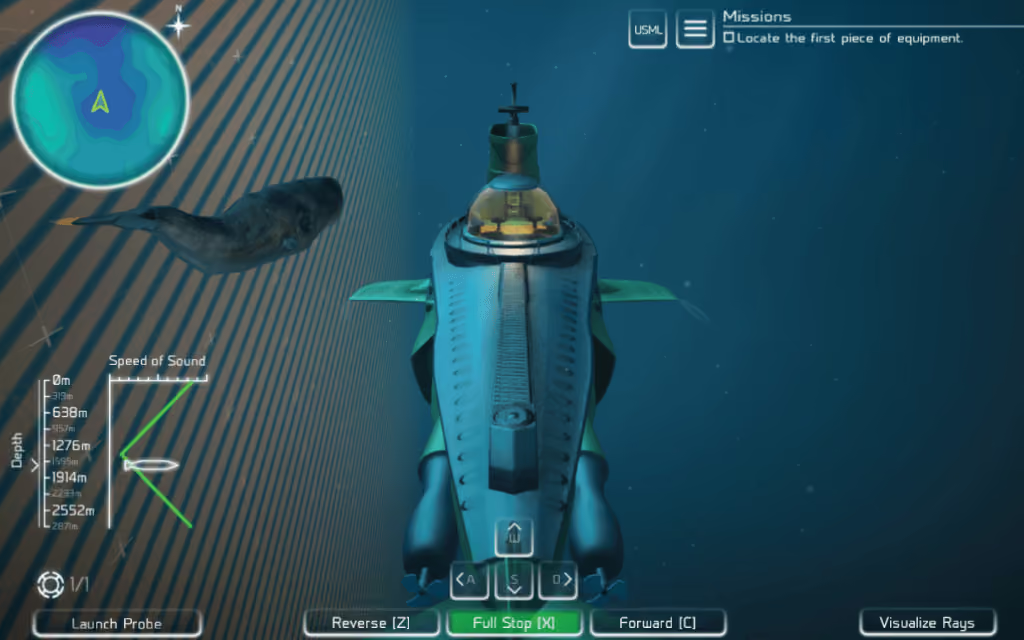
WaveQuest is an interactive learning game developed for ARIA and the Office of Naval Research that supports both STEM education and professional sonar training. Players explore the scientific principles of underwater acoustics through mission-based gameplay and real-time simulation.
Explore →
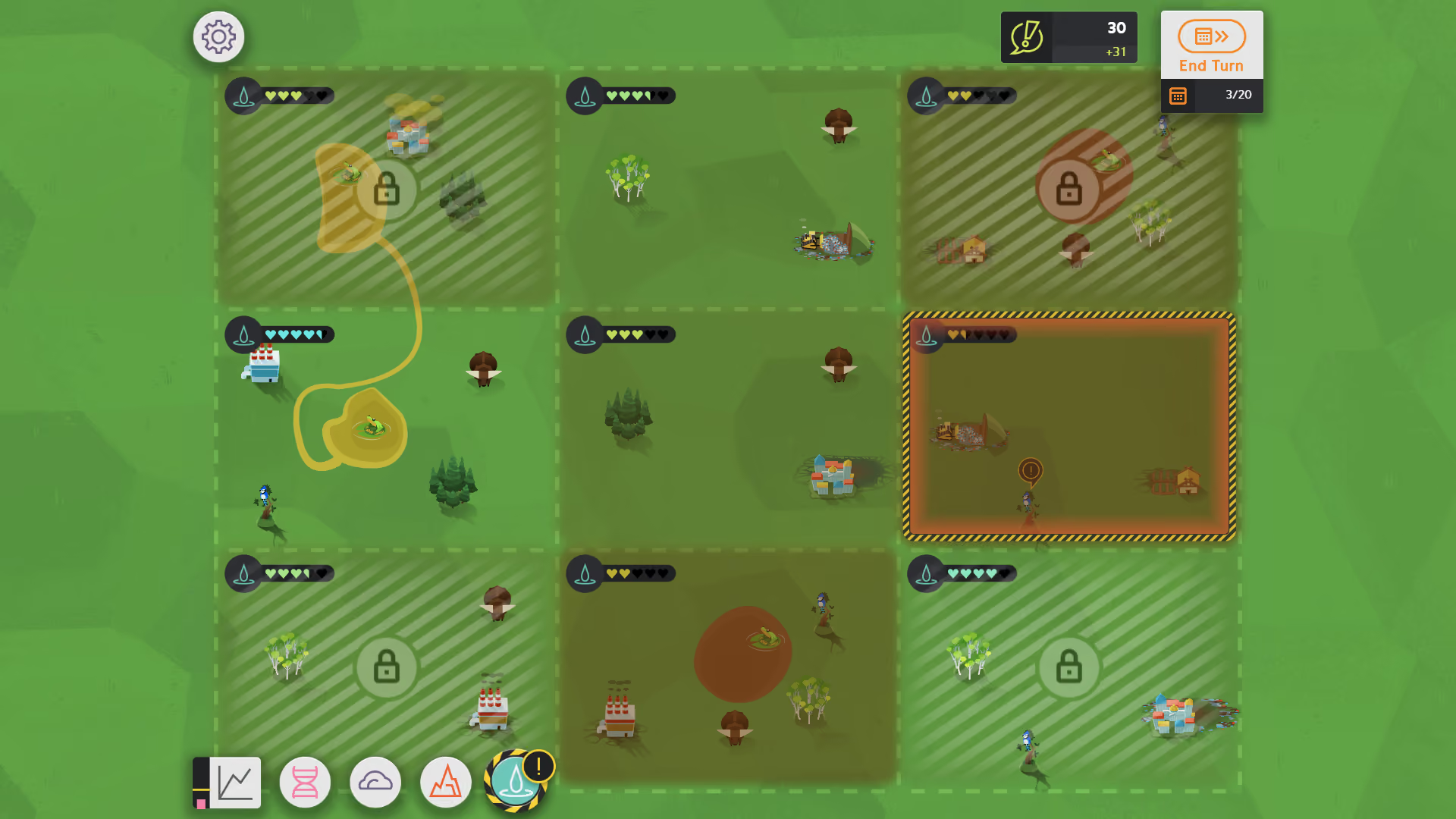
Save Our Spheres is an environmental science learning game developed with McGraw-Hill that focuses on how pollution affects Earth’s major systems. Players make turn-based decisions that influence the atmosphere, geosphere, hydrosphere, and biosphere while observing how these systems respond over time.
Explore →