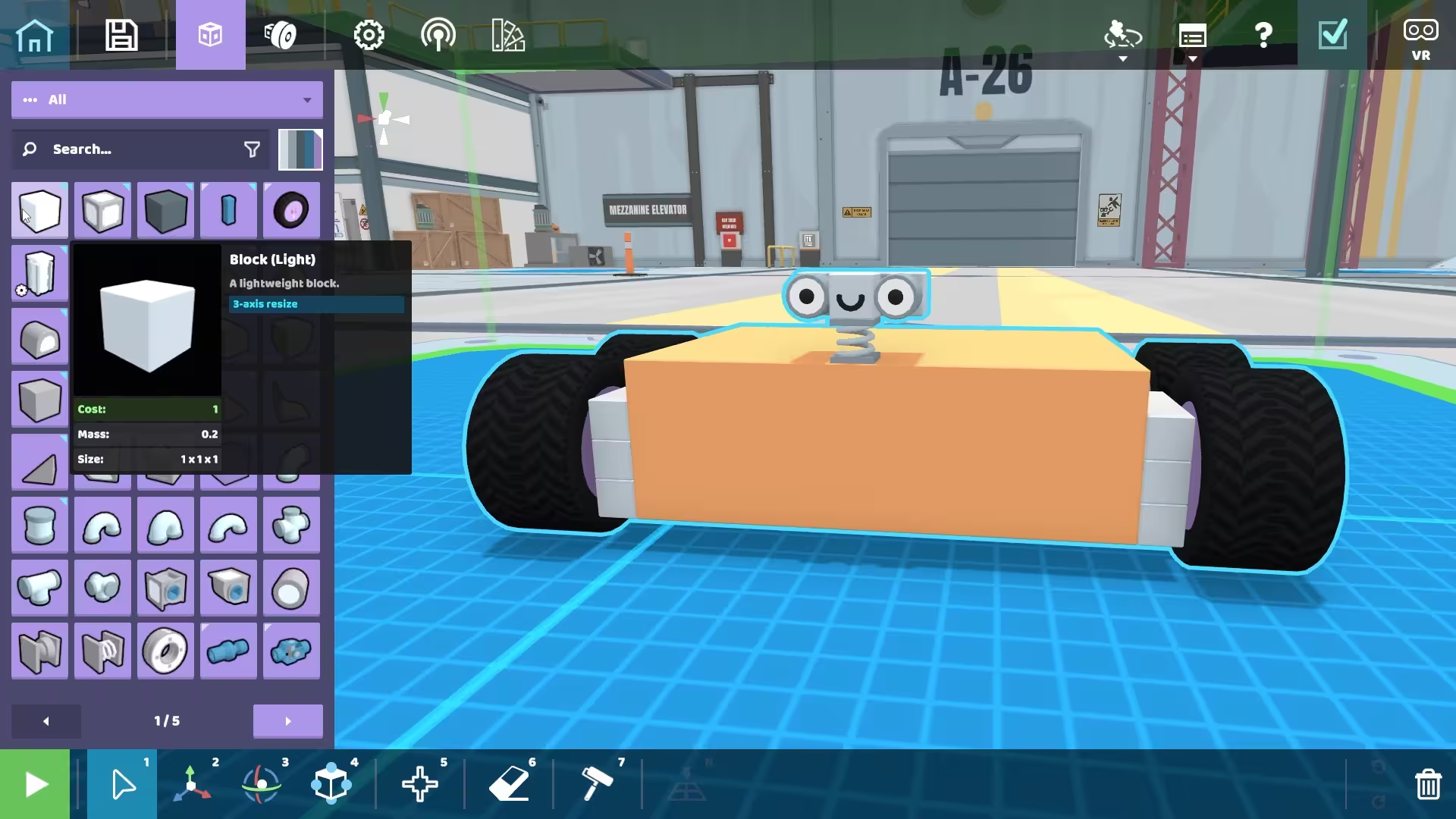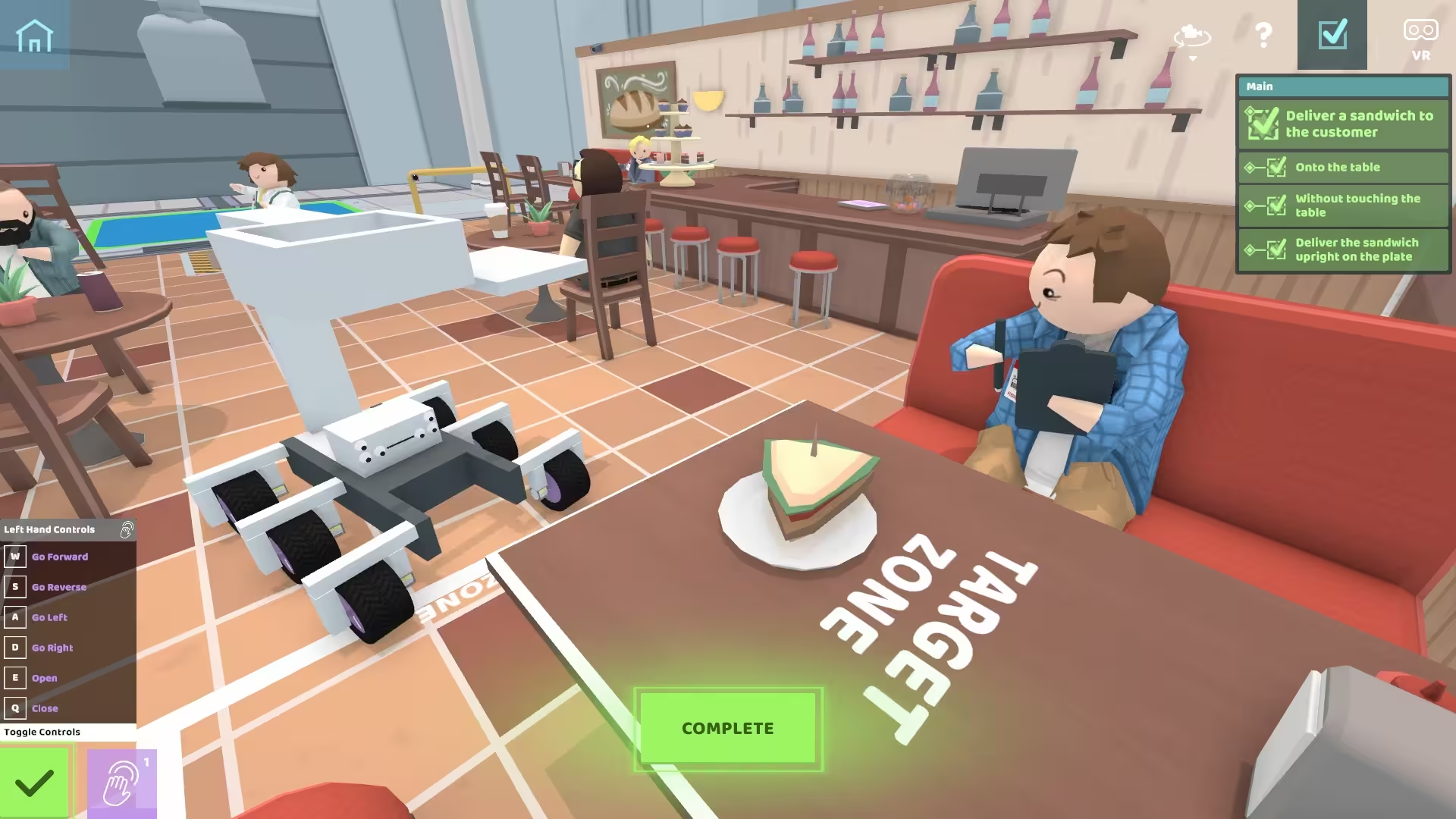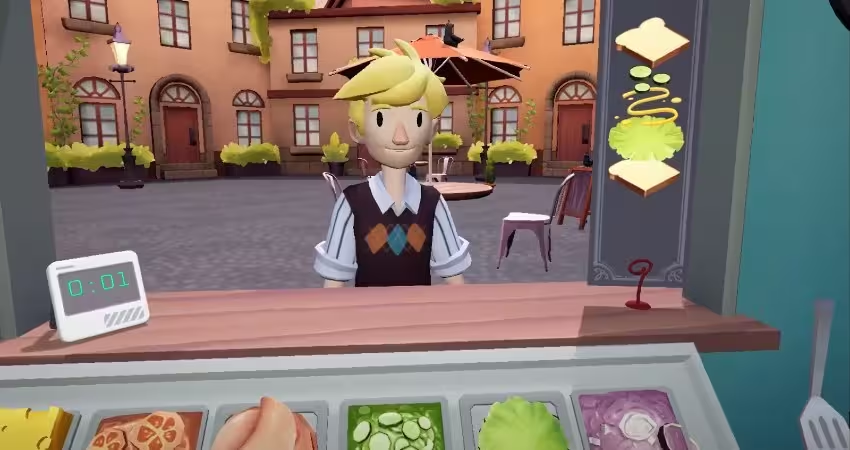
RoboCo is a PC-first robotics sandbox game developed by Filament Games. Players design and build robots piece by piece to solve open-ended challenges and complete engineering courses through creative problem solving.
RoboCo is a PC-first robotics sandbox game developed by Filament Games that centers on designing and building robots to solve open-ended challenges. Players assemble robots piece by piece using motors, gears, and wireless controls, applying creative problem solving to complete varied engineering courses. With fully integrated Python scripting, this RoboCo provides a platform for players to master designing, building, operating, and automating robots.
Robotics Engineering, Iterative Design, Mechanical Systems, Computational Thinking


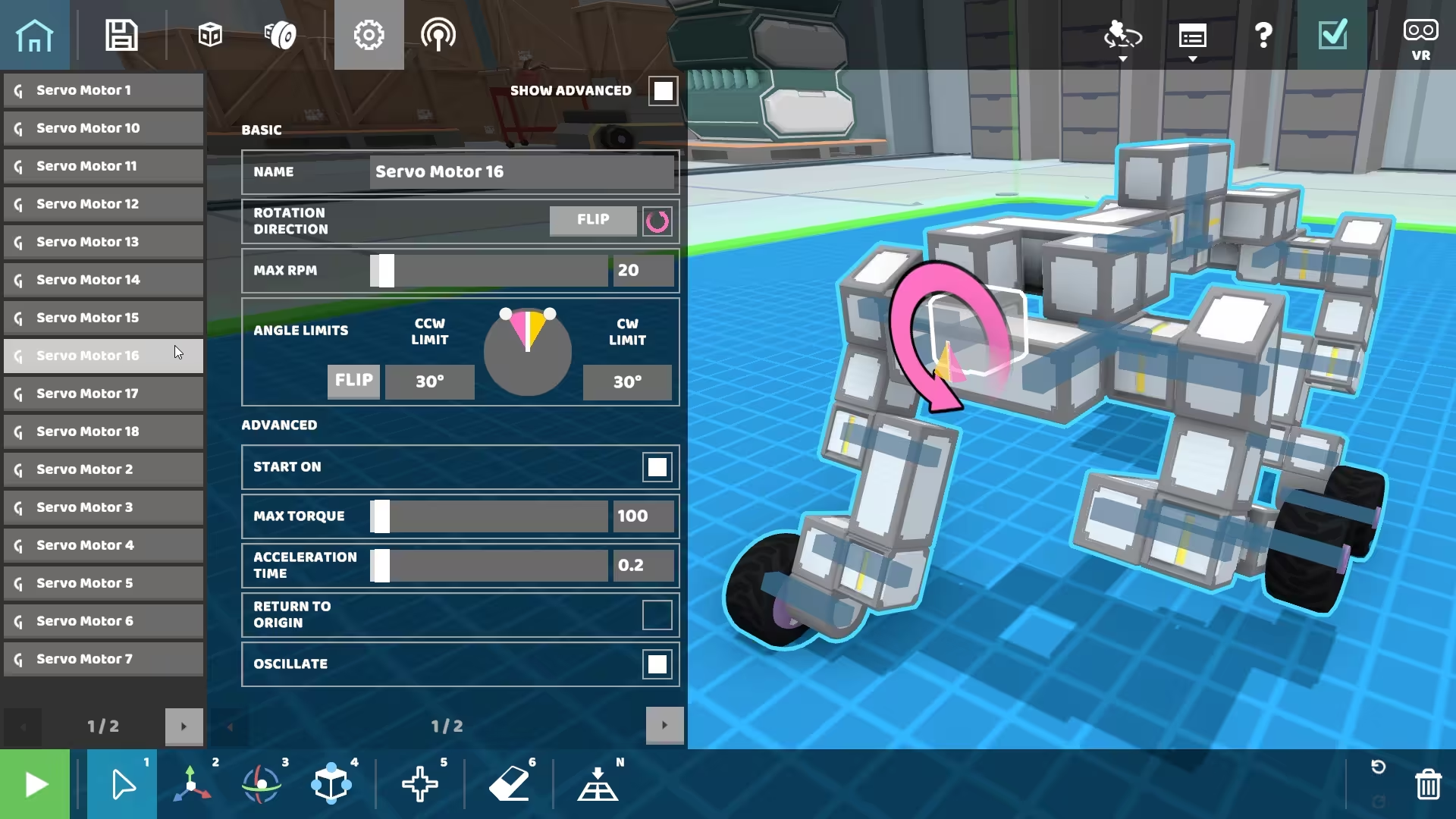
Build robots from individual components including motors, gears, and control systems.
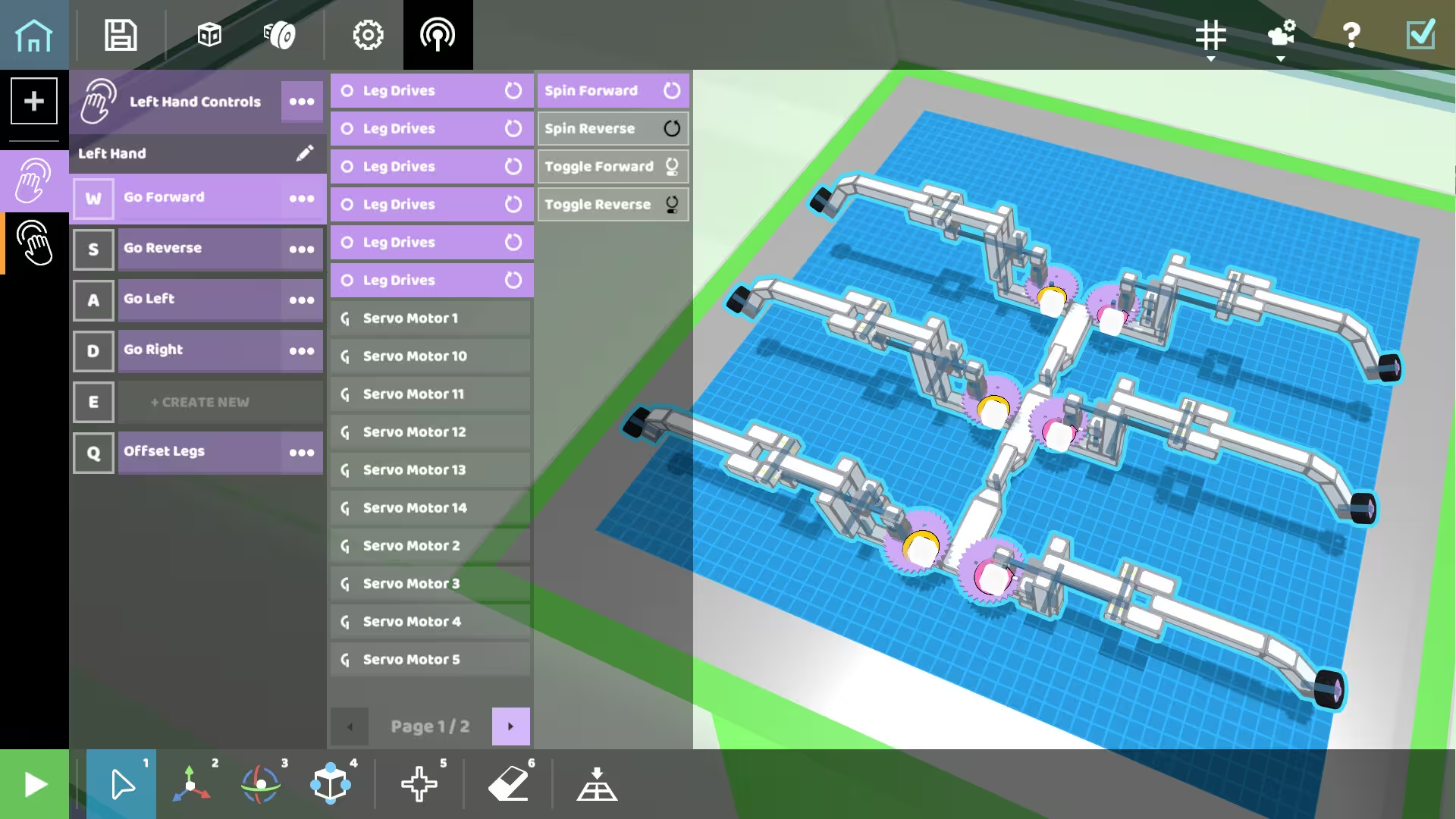
Configure wireless controls to guide robot movement and actions.


Tackle courses with multiple valid solutions that reward experimentation.
Refine designs through testing and adjustment.

Hands-on experimentation is a powerful way to spark interest in STEM fields. RoboCo provides players with accessible engineering tools and open-ended challenges that mirror makerspace and robotics program experiences, encouraging exploration, creativity, and sustained engagement.
16% __ improvement in creative problem-solving
24% __ improvement in systems thinking
24% __ improvement in problem-solving versatility
If you’re exploring educational games, digital learning tools, or interactive simulations, Filament Games can help you design and build experiences that deliver measurable impact.
Start a project
Sound It Out! is an audio literacy learning game developed with Twin Cities PBS that focuses on listening skills and sound identification. Players collect environmental sounds, edit and modify them, and select effects to match scenes.
Explore →
Pinball Energy Challenge is a physics learning game developed with McGraw-Hill that focuses on energy transfer and transformation. Players guide a pinball through interactive environments, observing how different objects convert energy between forms while solving physics-based challenges.
Explore →