
Toad Road
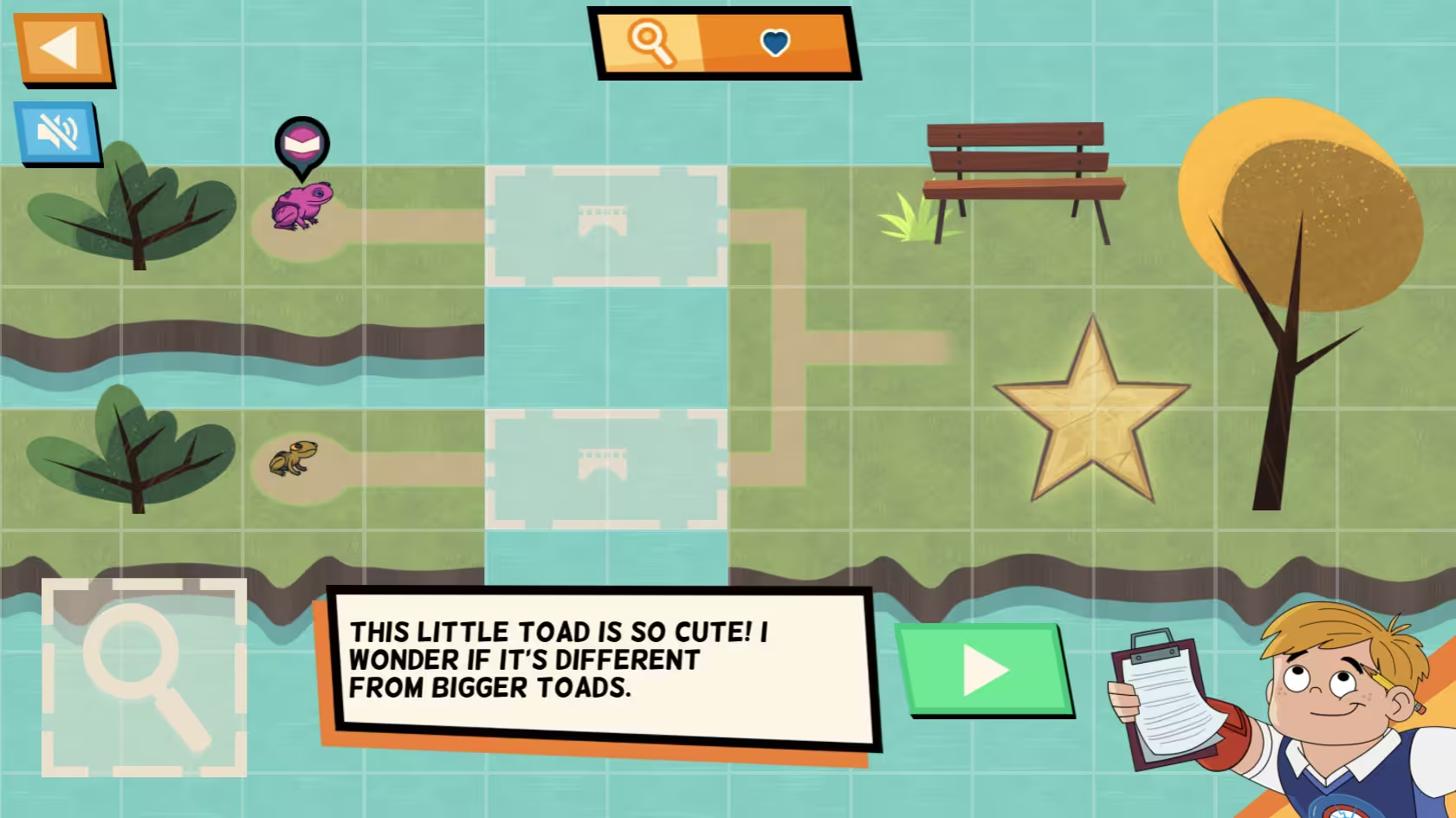
Toad Road is a physical science learning game developed with Twin Cities PBS that focuses on how material properties affect function. Players select and place bridges made from different materials to help characters cross obstacles.
Toad Road is a physical science learning game developed with Twin Cities PBS that focuses on how material properties affect function. Players select and place bridges made from different materials to help characters cross obstacles.


Toad Road is a physical science learning game developed with Twin Cities PBS that focuses on how material properties affect function. Players select and place bridges made from different materials to help characters cross obstacles, observing how properties influence performance. By observing how these material properties influence performance, players learn how to select and place bridges made from different materials to help characters successfully cross various obstacles.
Material Properties (Strength/Durability), Engineering Constraints, Evidence-Based Selection


Choose bridges with specific properties such as tough, brittle, or absorbent.
Position materials to support safe passage across gaps.


Observe how different properties affect outcomes.
Guide characters through environments using appropriate materials.

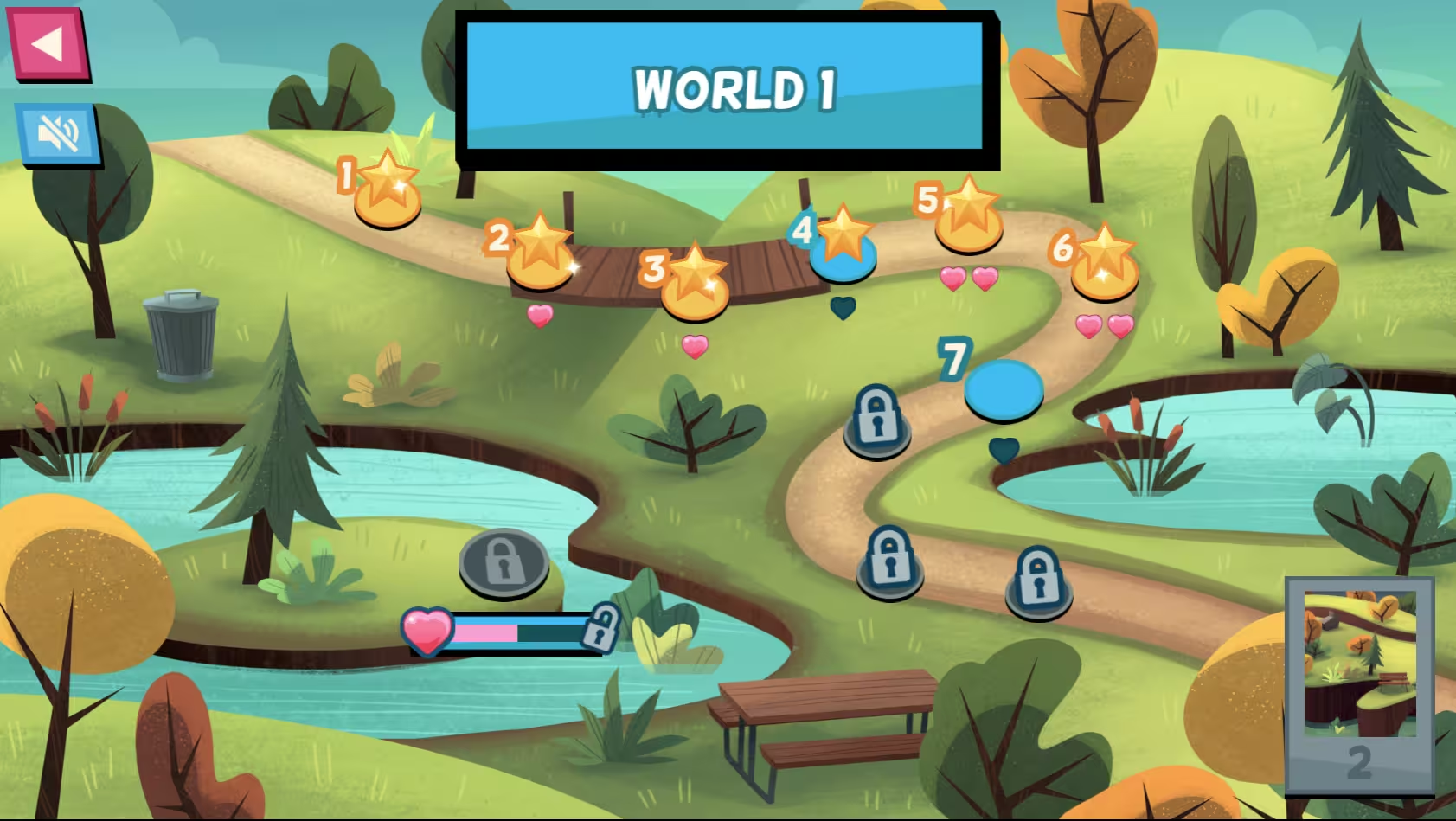
Understanding matter properties requires connecting characteristics to real-world performance. Properties of Matter helps learners build this understanding by allowing them to test how different materials function within practical challenges.
If you’re exploring educational games, digital learning tools, or interactive simulations, Filament Games can help you design and build experiences that deliver measurable impact.
Start a project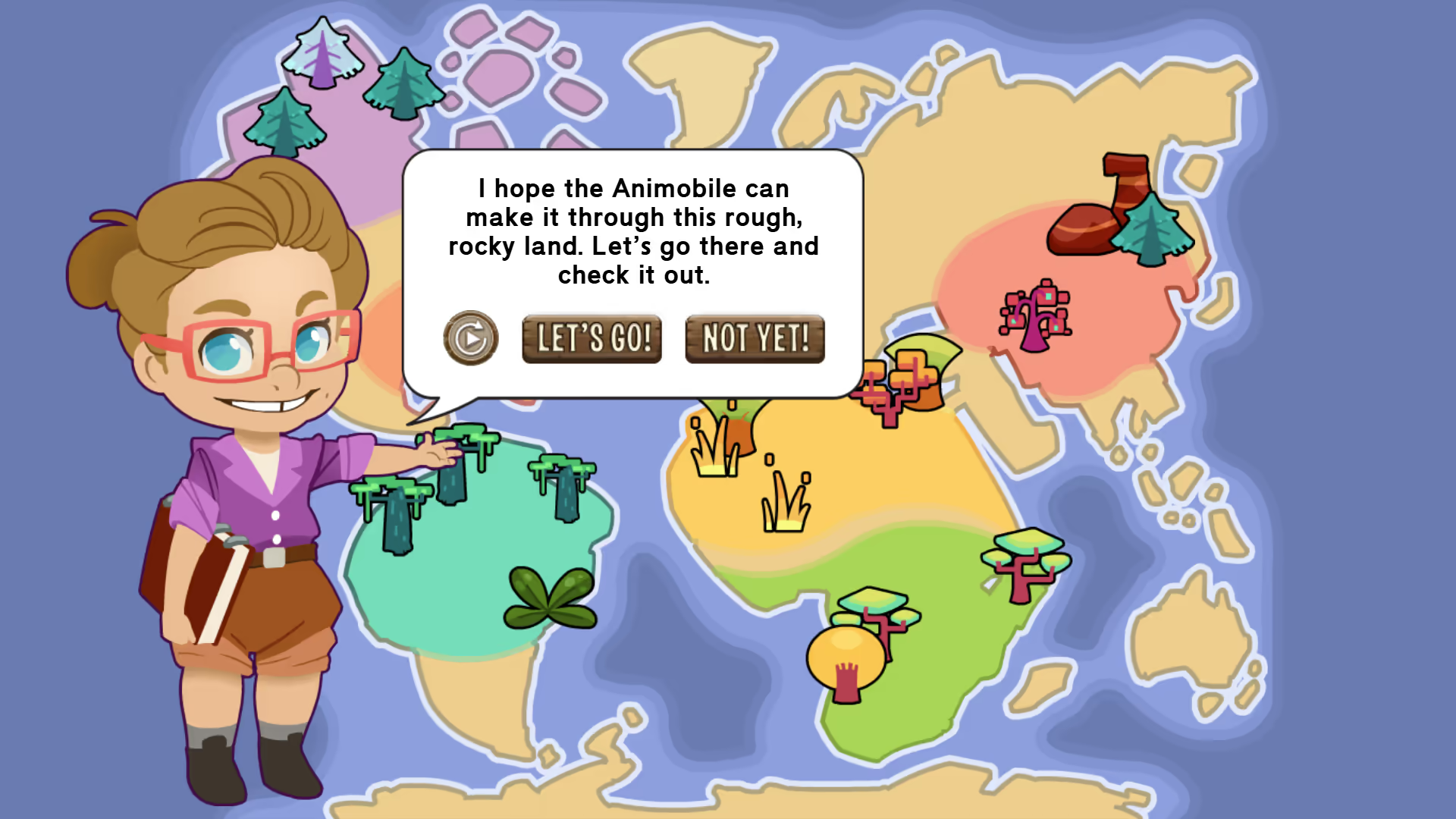
Animobile Adventures is a science learning game developed with McGraw-Hill that focuses on how animal traits interact with environmental conditions. Players travel to different climates, analyze habitat challenges, and modify their vehicle with traits and behaviors suited to each environment.
Explore →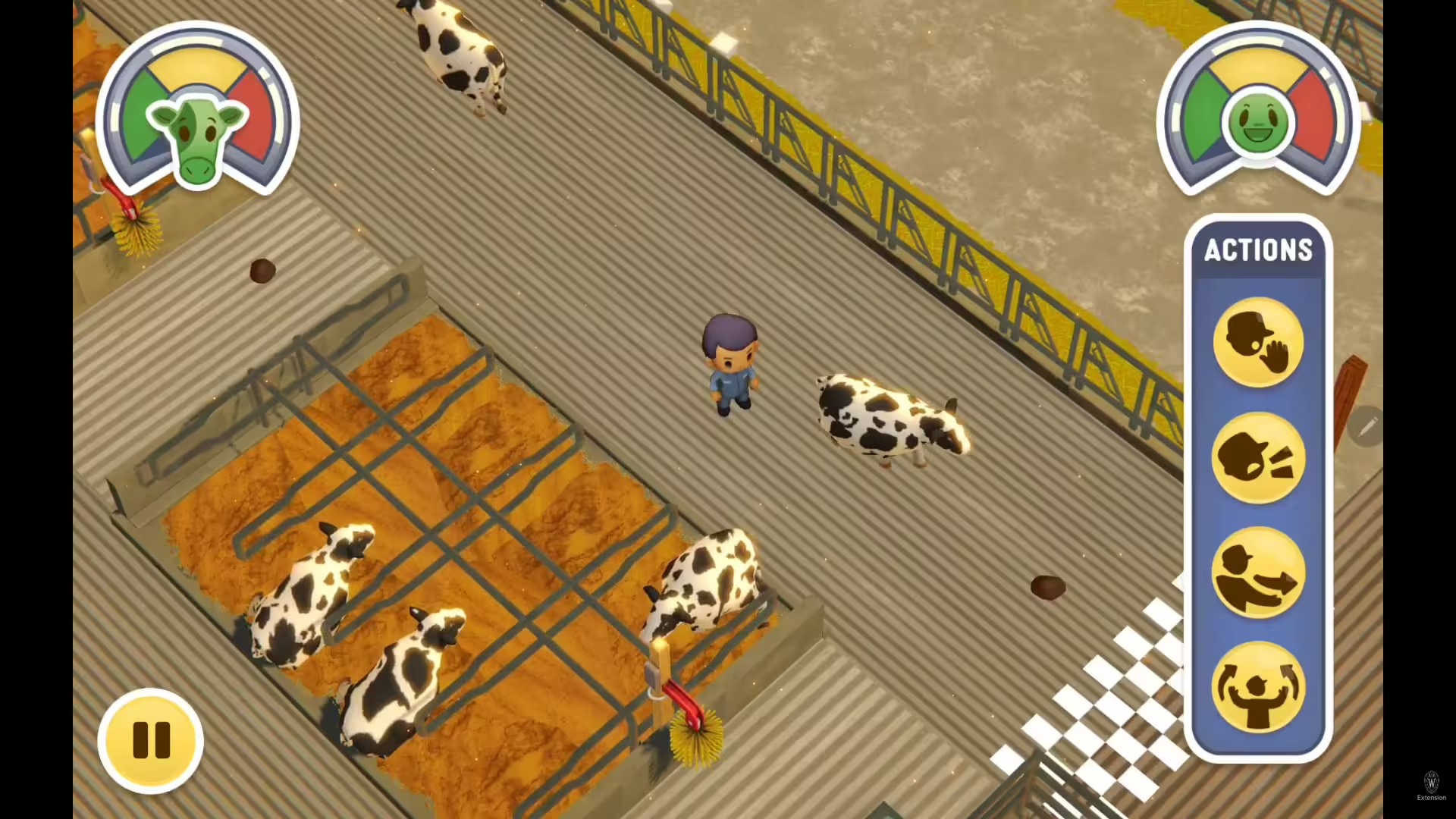
Mooving Cows is an agricultural learning game developed with University of Wisconsin-Madison that focuses on best practices for cattle handling on dairy farms. Players take on the role of a cow mover to guide cattle through farm environments.
Explore →