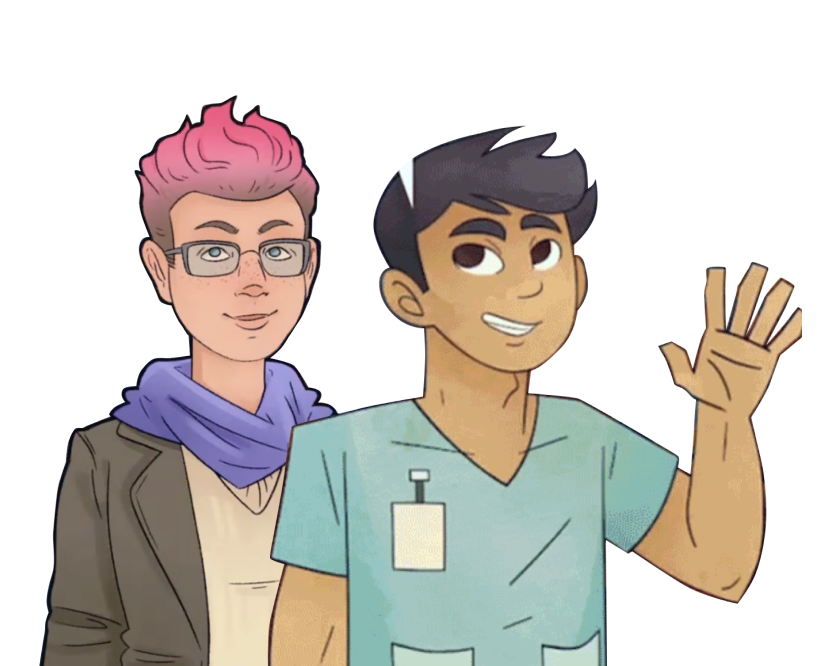

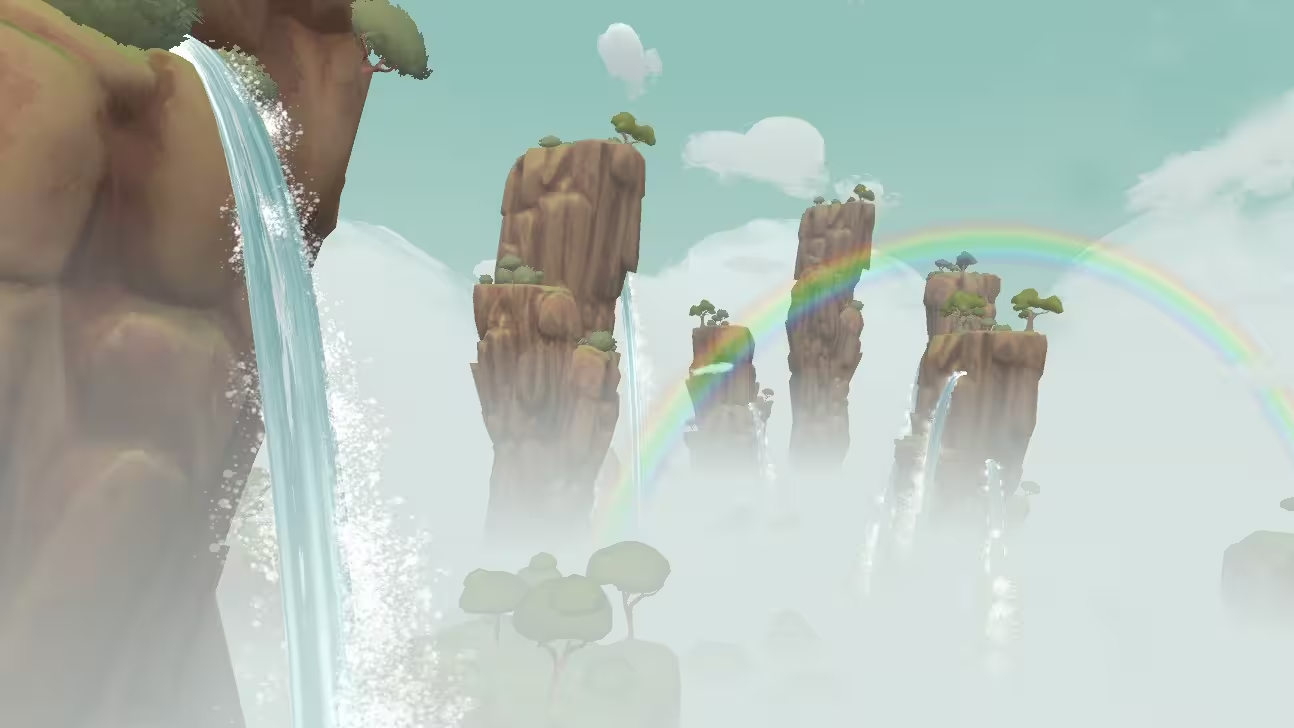
Serein is a Meaning-Centered Psychotherapy adventure game for Blue Therapeutics to support cancer patients experiencing stress and anxiety. Players explore the Land of Meaning, engaging in guided exercises that connect gameplay to sources of meaning in their own lives.
Explore →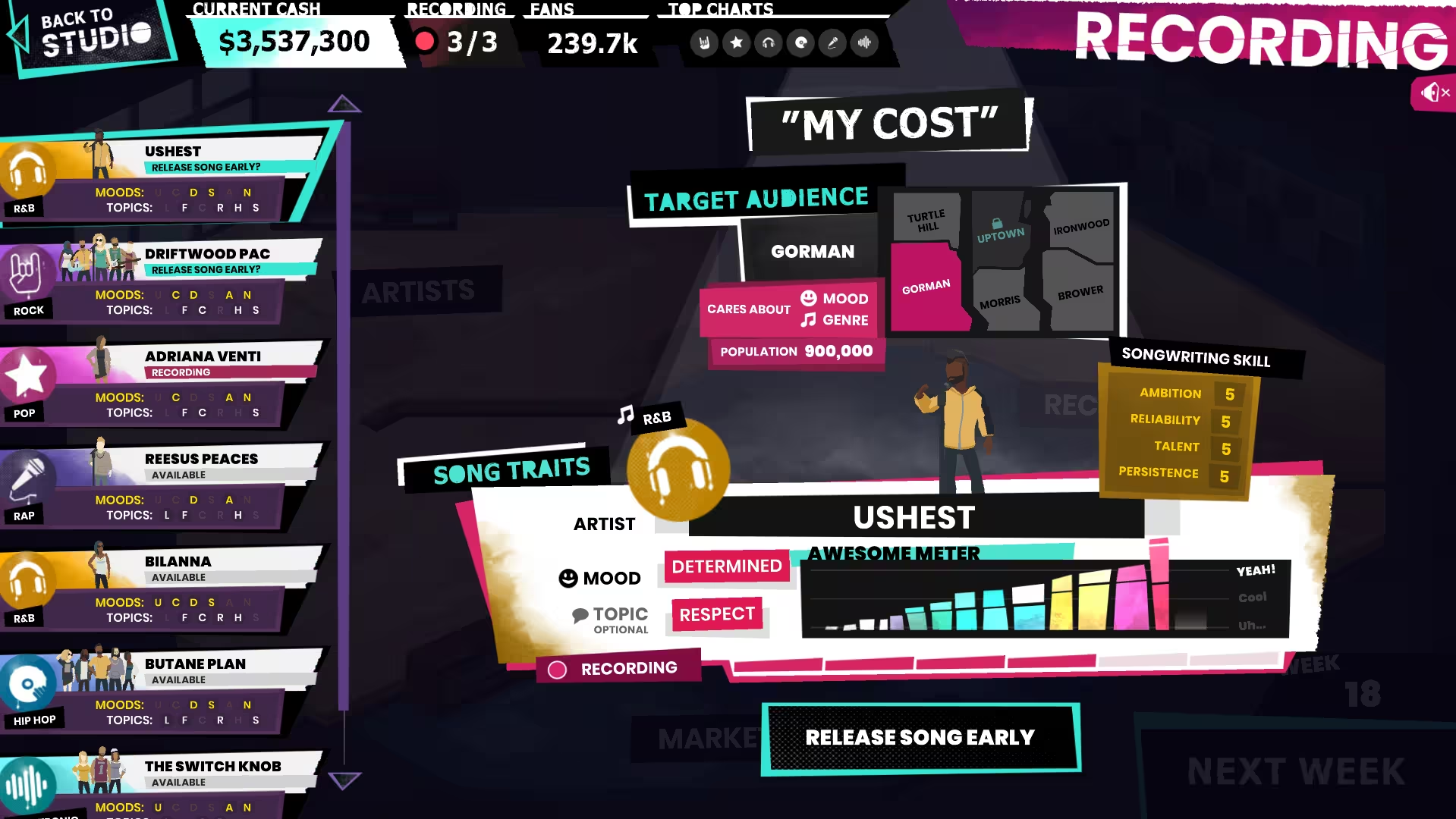
Beats Empire is a turn-based computational thinking and data analysis game developed for Columbia University and delivered through web browsers. Players run a music studio and record label, using market data from a fictional city to guide business decisions.
Explore →When you're building training for high-stakes scenarios, there's no room for error. Topics like disaster response and emergency preparedness demand fast, confident decisions under pressure, and passive instruction rarely builds the kind of instinct people need when a crisis actually hits. Interactive media is well suited to the job, giving learners a safe, repeatable space to practice the skills that matter most. Researchers spent 2026 gathering hard data on how simulated environments prepare people for real emergencies, and if you're weighing whether educational game development is worth the investment, this year's clinical and academic literature makes a strong case. Findings from elementary classrooms and university nursing programs show that well-designed interactive learning builds genuine competence and readiness. Check them out below:
A 2026 study in Frontiers in Climate shows how custom serious games improved disaster resilience among schoolchildren in Peshawar, Pakistan. Researchers compared students who played interactive modules simulating floods, earthquakes, and severe weather against peers taught through traditional lectures. The kids who played the games showed clear gains in hazard awareness, evacuation know-how, and overall preparedness. Structured gameplay, it turns out, helps critical safety knowledge stick even under simulated stress. The authors found that interactive simulations connect abstract safety instructions to the practical steps a child can actually take when disaster strikes. If you're pitching scalable safety programs to school districts or institutional clients, these are numbers you can point to.
A recent quasi-experimental study in JMIR Serious Games looked at how gamified teaching affects undergraduate nursing students training for medical emergencies. The team tracked three things; namely, disaster nursing competence, self-efficacy, and self-directed learning ability. Students in the gamified curriculum posted significant gains in disaster nursing competence and self-directed learning compared to peers in standard lecture tracks. General self-efficacy didn't shift as much, which is a useful reminder that gameplay impacts some skills more directly than others. The self-directed learning result is especially worth noting, suggesting that interactive challenges motivate students to take real ownership of their development. This has significant implications for healthcare training providers. When it comes to high-stakes training, gameplay shows clear value in building the initiative and confidence clinicians rely on in high-pressure triage.
A 2026 study in the International Journal of Disability, Development and Education examined climate change education for Indonesian children with functioning difficulties. Using participatory action research, the team watched how learners with a range of disabilities engaged with tabletop and digital games. They found that inclusive game mechanics helped neurodivergent and physically disabled students grasp complex environmental concepts. Adaptive controls and multisensory feedback lowered the barriers that often keep these learners out of crisis education. If you're building specialized training tools, this is a strong argument for designing for accessibility from day one. The authors also emphasized that collaborative play encourages equal participation, so every student comes away with the environmental awareness and safety skills they need.
A 2026 randomized controlled trial in BMC Nursing, indexed in PubMed, measured how virtual reality disaster training affected the preparedness of nursing students in Turkey. Researchers added VR simulation to the standard curriculum for one group and compared them against a control group receiving standard training alone. The VR group scored significantly higher on disaster preparedness, covering both the practical knowledge and the physical and psychological readiness that disasters demand. Immersive practice, the results suggest, helps students internalize response skills in a way lectures alone can't match. Medical institutions weighing an investment in VR hardware and software have solid evidence here to justify the spend.
This recent research in Frontiers in Sustainability details the development and testing of a web-based serious game built to teach children about flood disasters. The team created an interactive platform covering flood survival rules, hazard recognition, and evacuation planning through scenario-based play. In evaluation trials, more than 86% of the children showed measurable gains in flood knowledge over their pre-test scores. Because it runs in a browser, the game can reach learners instantly across a plethora of devices, without the cost of specialized hardware. For clients who need broad reach, web-based games are a practical way to scale public safety programs to staggering levels of reach - take for example the 200m+ gameplays on the web-based iCivics.org platform.
Finally, a comprehensive scoping review in the Journal of Multidisciplinary Healthcare pulled together global evidence on gamification and virtual reality for disaster preparedness. The authors reviewed studies focused on university students and healthcare workers operating in high-risk settings. Across that body of research, immersive and gamified tools consistently outperformed passive learning on technical competence, psychological resilience, and triage accuracy. One of the most valuable findings showed that VR lets trainees build stress tolerance without ever being exposed to physical danger. For organizations commissioning enterprise learning solutions, this review is about as close to a definitive case as the literature gets, showing that game-based crisis training pays off in long-term operational safety.
~
Evidence from around the world is stacking up in a way that’s hard to ignore. Game-based learning and virtual reality have become essential tools for building life-saving preparedness in schools, hospitals, and workplaces. Organizations that invest in custom educational game development give their learners the resilience and quick thinking that real crises demand. Interested in developing custom serious games and VR simulations for your own training program? Let's talk.
Best practices for preventing motion sickness while maximizing learning outcomes.
Best practices for preventing motion sickness while maximizing learning outcomes.
Get the latest Game-Based Learning Review content delivered to your inbox, including new articles, videos, and industry insights.