
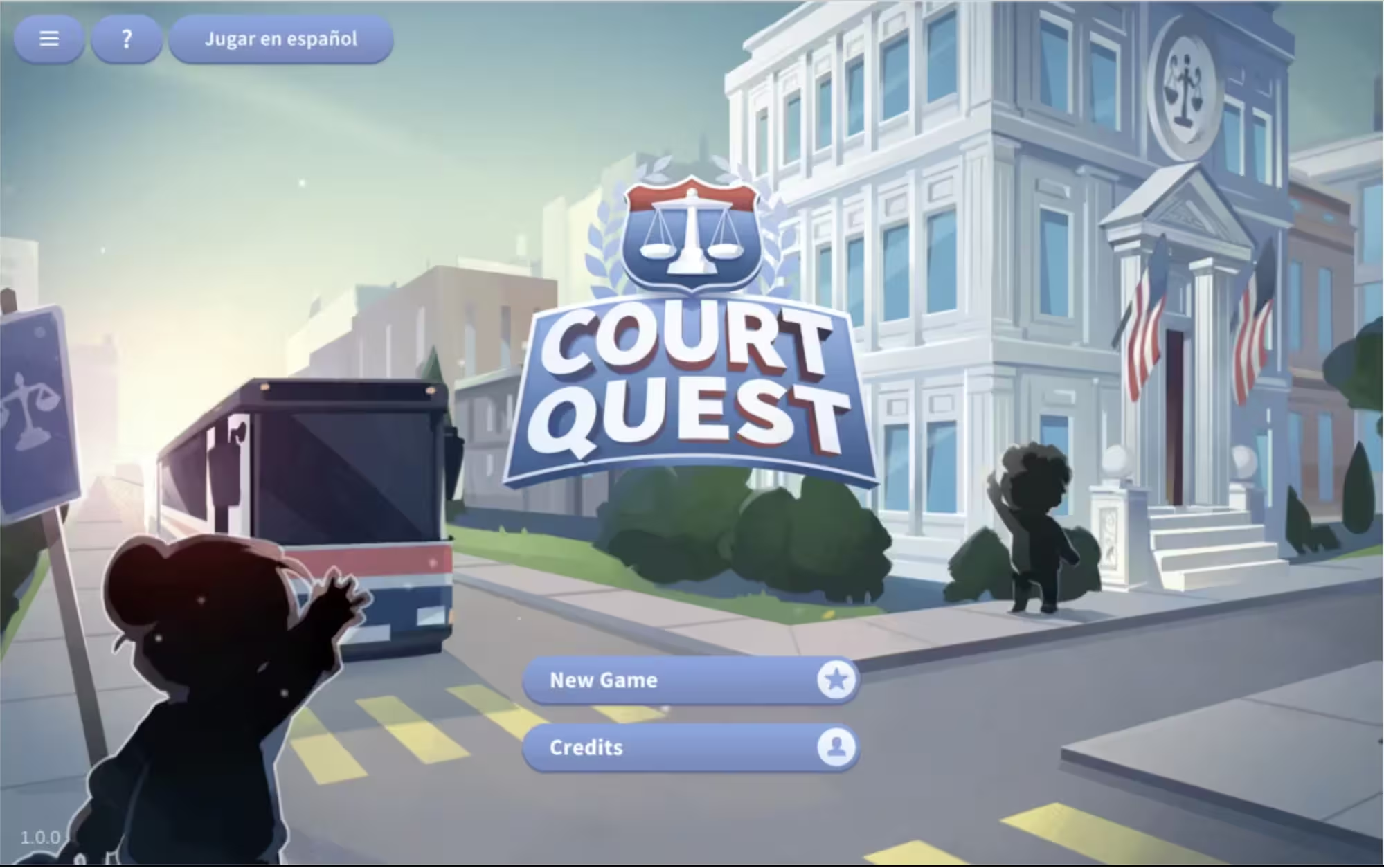
Court Quest is a civics learning game developed with iCivics that introduces students to the structure and function of the U.S. judicial system. Players guide passengers with legal cases through state and federal courts, determining the appropriate venue based on specific case details.
Explore →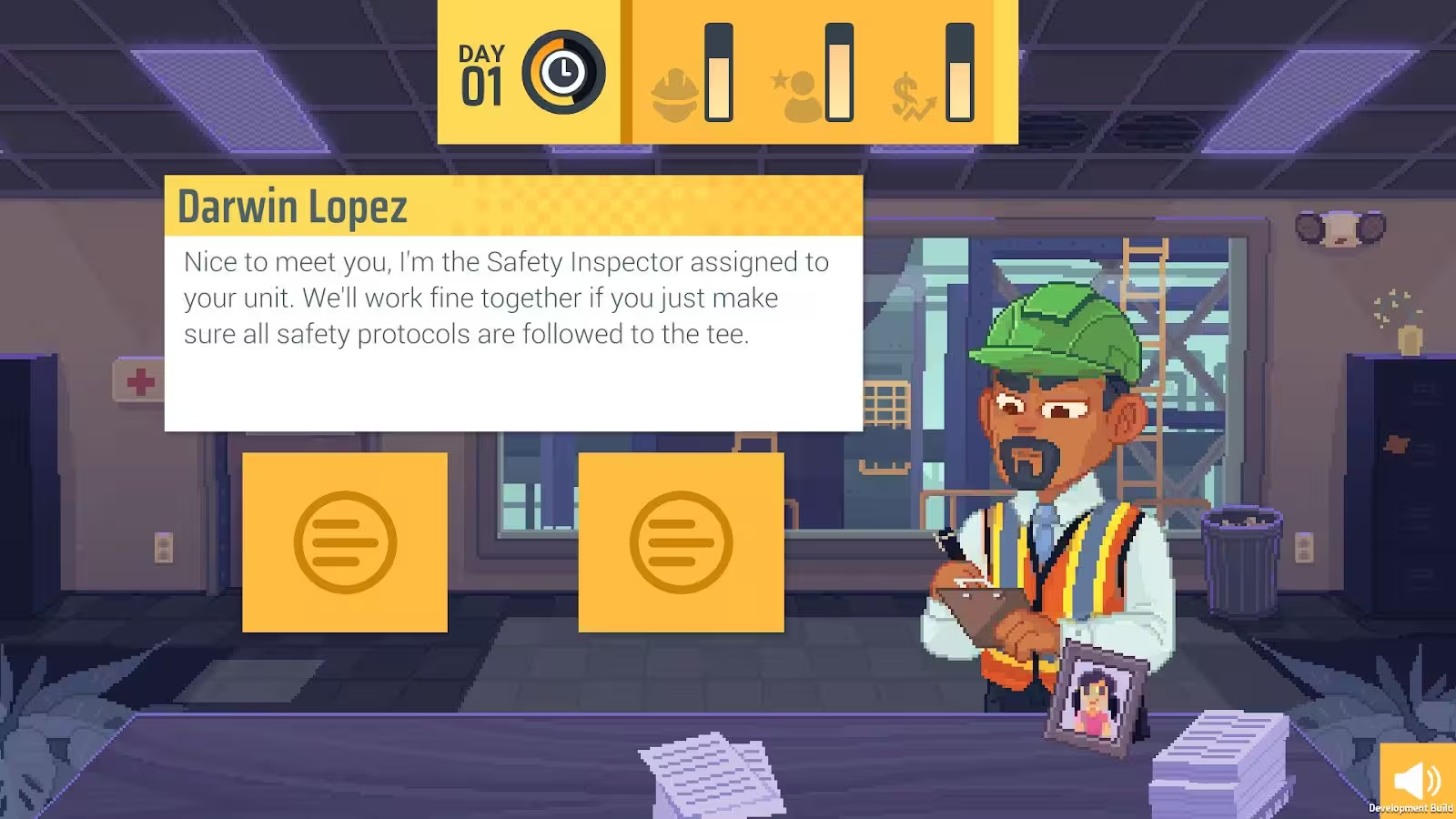
Contents Under Pressure is a safety and risk management game developed with Rowan University focusing on chemical plant operations. Players act as senior engineers, balancing production quotas with safety and reputation in high-stakes scenarios.
Explore →Distributed teams have no shortage of meetings, yet they get fewer chances to play together. When colleagues work across cities and time zones, the hallway moments that used to build trust have to be intentional, and online team building games give you a structured way to create them. A well-designed game hands your people a shared goal and a reason to talk, from wherever they log in. Continuing our month-long look at Employee Engagement Games That Build Lasting Skills, this post covers what research says about playing together at work, when to choose synchronous or asynchronous play, why browser access matters and how to size a session so it fits into your meeting agenda.
Researchers at Brigham Young University tested team video gaming as a team-building activity in a study published in AIS Transactions on Human-Computer Interaction. Teams that played a collaborative video game together for 45 minutes improved their productivity on a follow-up team task by 20 percent compared with teams that took part in traditional team-building activities. The study used teams of strangers, and the authors cautioned that competitive play could work differently among colleagues who already know each other. For online team building games, the takeaway is to favor cooperative goals where your team wins or loses together, especially when the group already has history.
A study of 61,182 US Microsoft employees, published in Nature Human Behaviour, tracked collaboration during the first six months of 2020 as the company moved to firm-wide remote work. Collaboration networks became more static and siloed, with fewer bridges between different parts of the organization, and communication shifted from synchronous channels toward asynchronous ones. Synchronous virtual team building games can counter both trends by putting people from different groups in the same live session. Asynchronous formats such as turn-based challenges or a week-long leaderboard still earn a place when your team spans time zones, and a practical pattern is a live kickoff followed by asynchronous play through the week.
Every install or account request is a chance for a colleague to drop out before the game starts. Be Scam Ready, the free learning game we developed with Google, runs in a web browser on desktop and mobile and teaches through brief interactive scenarios for teens and adults. The same delivery model suits virtual games to play with coworkers: one link in the meeting chat, no downloads, no IT tickets and everyone is in. When you evaluate a game for a distributed workforce, test it on the devices and networks your people use, including locked-down company laptops and phones.
Microsoft's Human Factors Lab used EEG caps to measure brain activity in 14 remote workers across two days of video meetings. On one day they sat through four 30-minute meetings back to back, and on the other they took 10-minute breaks between the same meetings. Without breaks, activity associated with stress built up over the two hours, while the breaks kept it steady and were linked to higher engagement. The breaks in that study were meditation sessions, so a game is a different kind of pause, and the lesson for remote and virtual employee engagement activities is about fit. Design sessions of 10-20 minutes with a clear start and finish that slot into an agenda your team already keeps, so play fits within the day without adding another hour to the calendar.
~
Distributed teams connect when shared play is easy to join and easy to schedule. Start with a cooperative goal that brings different groups into the same session, then choose a format that matches your time zones, keep access to a single browser link and size each session to fit a meeting your team already has. For more on how purpose-built games connect play to training and retention, revisit Employee Engagement Games That Build Lasting Skills. Interested in an online team building game designed around your team's goals? Let's talk.
Best practices for preventing motion sickness while maximizing learning outcomes.
Best practices for preventing motion sickness while maximizing learning outcomes.
Get the latest Game-Based Learning Review content delivered to your inbox, including new articles, videos, and industry insights.