
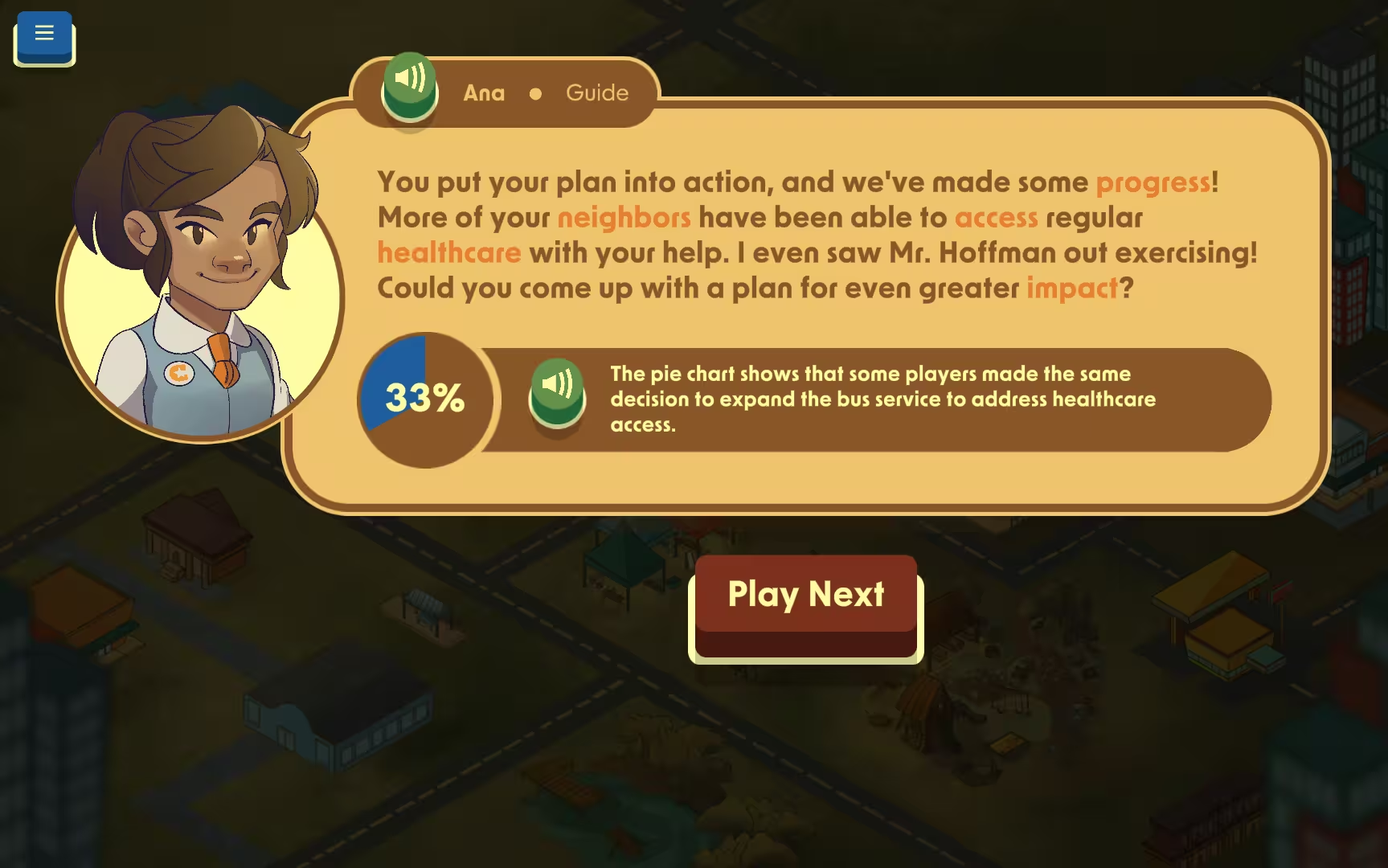
Neighborhood Good is a civics learning game developed with iCivics that introduces students to community-level civic engagement. Players select issues within a fictional neighborhood, talk with residents to understand different perspectives, and develop plans of action using available community resources.
Explore →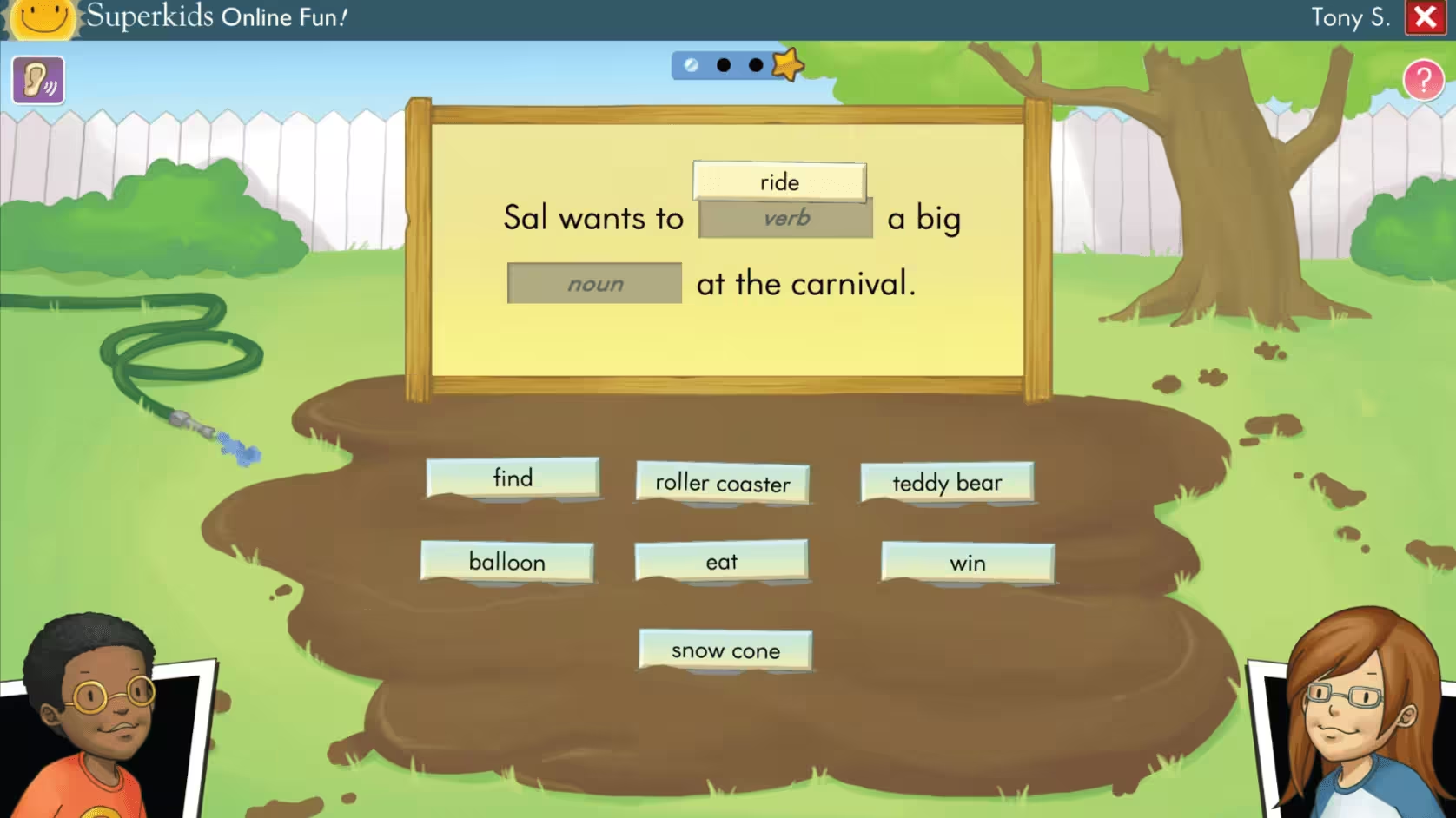
Superkids Online Fun! is a literacy learning game suite developed with Zaner-Bloser that supports the Superkids Reading curriculum for kindergarten through second grade. Players engage with read-aloud books and complete interactive activities that reinforce spelling, phonics, and vocabulary.
Explore →The process of creating a high-quality educational game is exciting, but it also involves some pretty big decisions. How do you balance your innovative ideas and be realistic about your project’s constraints? Should you build a game in-house or work with a developer? What first steps are the most important? It's understandably tough for organizations new to learning game development to navigate questions around all of these topics and more.
via Giphy
Luckily, breaking down all the options into an easy-to-follow decision tree helps - and we’re here to give you just that! This blog will walk through key choices to make when exploring if and how to build a game. We provide an example flow - like a "choose your own adventure" - guiding you to ask the right questions. It's okay to feel overwhelmed as you get started! By focusing on one fork in the road at a time, you can avoid information overload on the journey from idea to game.
Below is an example decision tree for deciding whether to hire someone to develop a game-based learning project:
Is the game-based learning project well-defined in terms of objectives, target audience, and scope?
Do you have in-house developers with the necessary skills and expertise to develop the game-based learning project?
Is the budget sufficient to hire an external developer or development team?
Conduct research on potential game developers or development companies.
Do they have experience in creating game-based learning projects?
Review the references and portfolio of potential developers.
Do their previous projects demonstrate a high level of quality and relevance to your project?
Request proposals and quotes from the remaining potential developers.
Do their proposals align with your project requirements and budget constraints?
During the development process, closely monitor the progress and quality of the game-based learning project.
Is the development progressing according to the agreed-upon timeline and milestones?
Review intermediate deliverables from the development team.
Do the deliverables meet your expectations and align with the project objectives?
Review the final deliverable of the game-based learning project.
Does the final product meet all the agreed-upon requirements and quality standards?
This decision tree outlines key choices organizations face when exploring game-based learning development. It can serve as a handy guide for systematically working through core questions step-by-step, but keep in mind that you can customize the framework to match your specific situation and goals.
We know the many forks in the road can seem complex at first. But after decades advising our partners on game creation, we can help you assess your capabilities honestly and evaluate if we’re a good fit! If you feel overwhelmed navigating game development for the first time or simply want an expert partner to guide strategy, contact us. Let's have a conversation about how we can make your vision a reality.
Learn more about working with us:
https://www.filamentgames.com/blog/balancing-costs-and-creativity-in-game-development-projects/
https://www.filamentgames.com/blog/budgeting-for-success-identifying-and-using-the-right-cost-levers-in-game-development/
https://www.filamentgames.com/blog/navigating-game-development-budgets-for-optimal-roi/
Best practices for preventing motion sickness while maximizing learning outcomes.
Best practices for preventing motion sickness while maximizing learning outcomes.
Get the latest Game-Based Learning Review content delivered to your inbox, including new articles, videos, and industry insights.