Retired Supreme Court Justice Sandra Day O'Connor founded iCivics in 2009 with one mission: to reimagine civic education through interactive and engaging learning game-based learning resources. Offering a suite of over 20 web and mobile civics learning games covering topics from the federal to local level, iCivics is the largest and most active game-based learning platform in the world. Not only is the platform popular, it is also trusted by educators: when surveyed, 95% of teachers said that iCivics is a trusted and non-partisan resource which fosters civil conversations about current events in their classrooms.

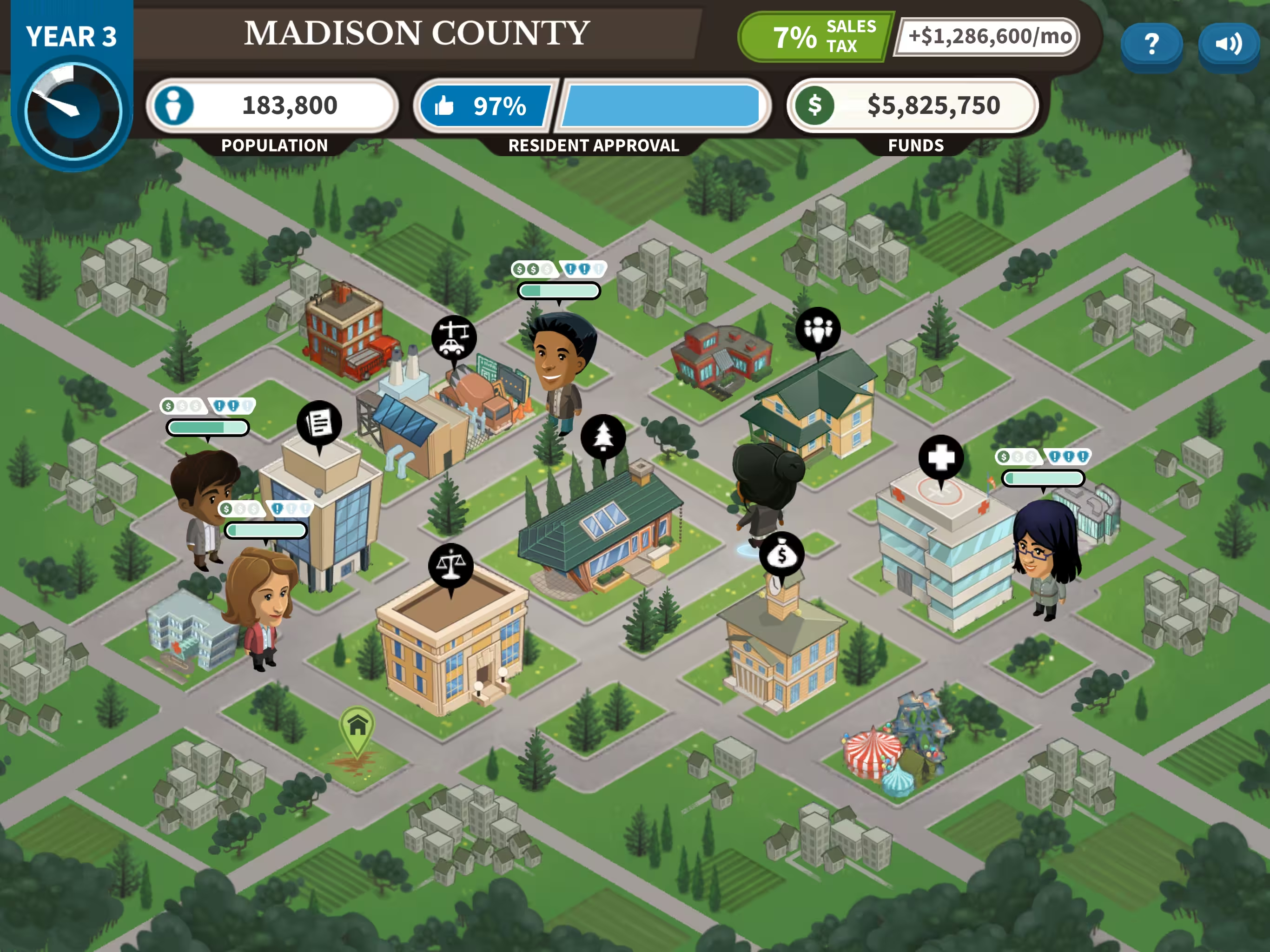
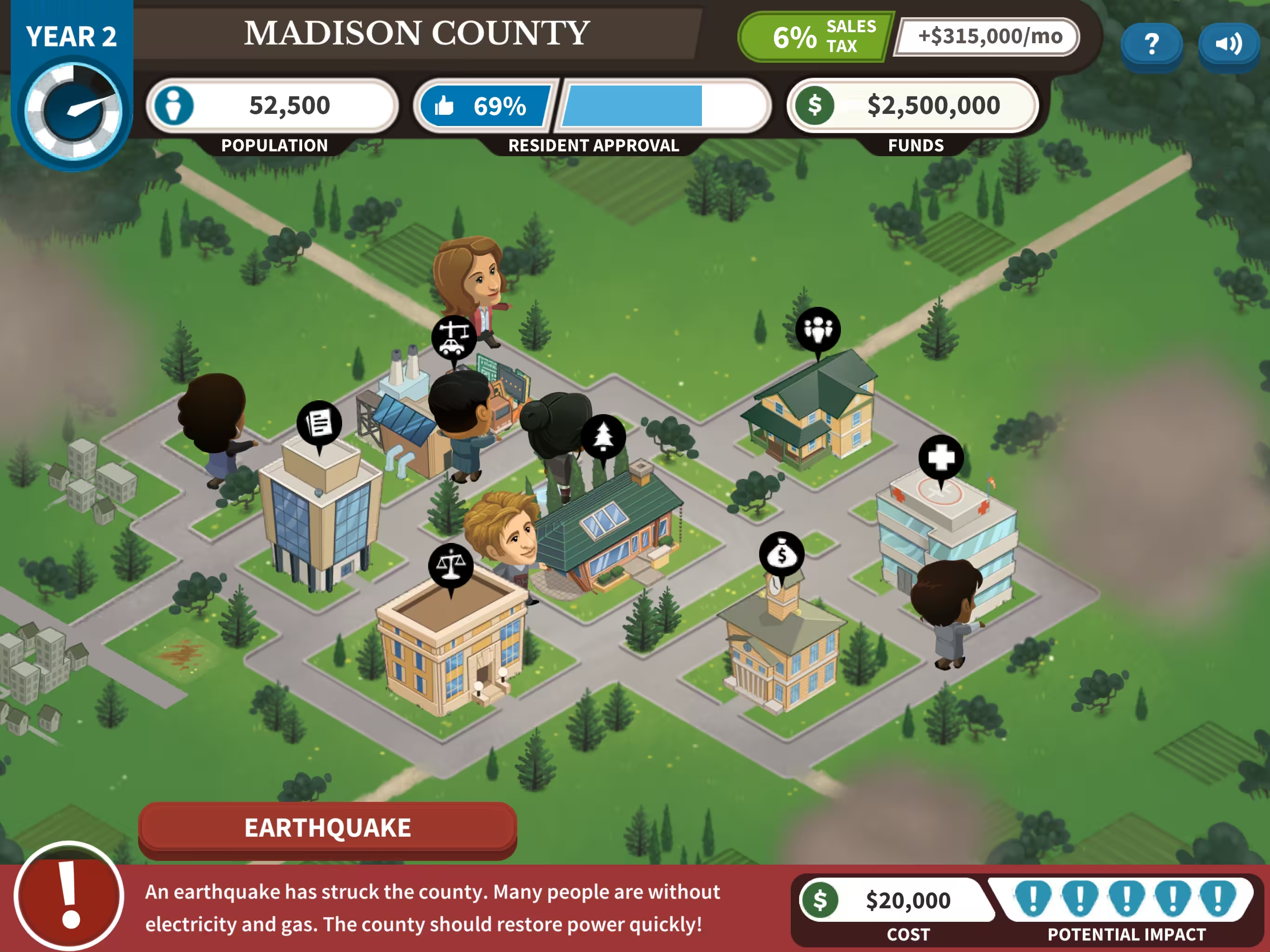
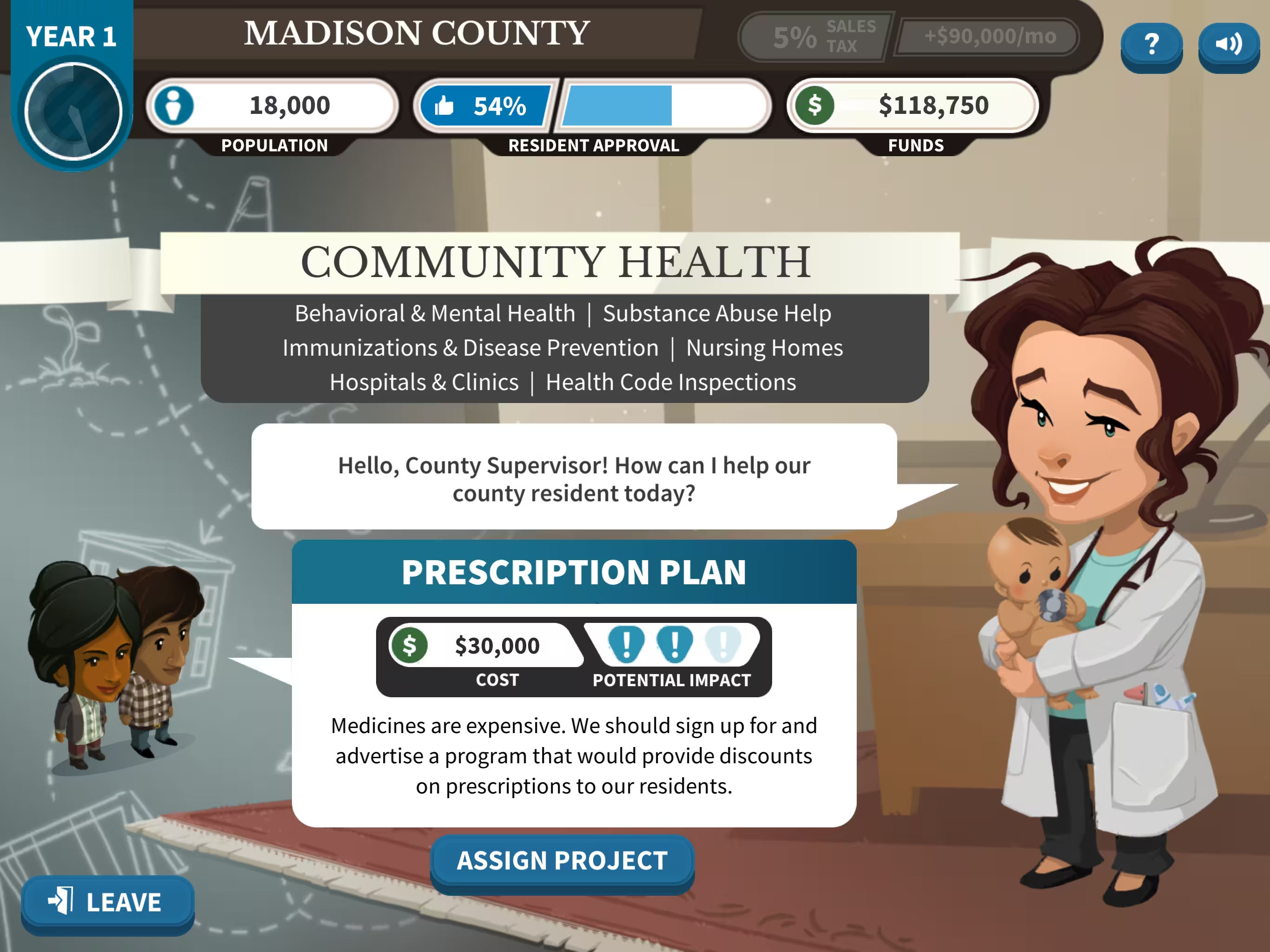
Counties Work: Texas is a civics learning game developed with iCivics that focuses on the structure and responsibilities of county government in Texas. Players take on the role of a county official, responding to resident requests, coordinating across departments, and managing budgets and taxes. This simulation requires players to navigate the specific administrative and fiscal challenges unique to Texas county governance while maintaining essential public services.
Texas Local Governance, County Departmental Structure, Fiscal Responsibility, Public Policy


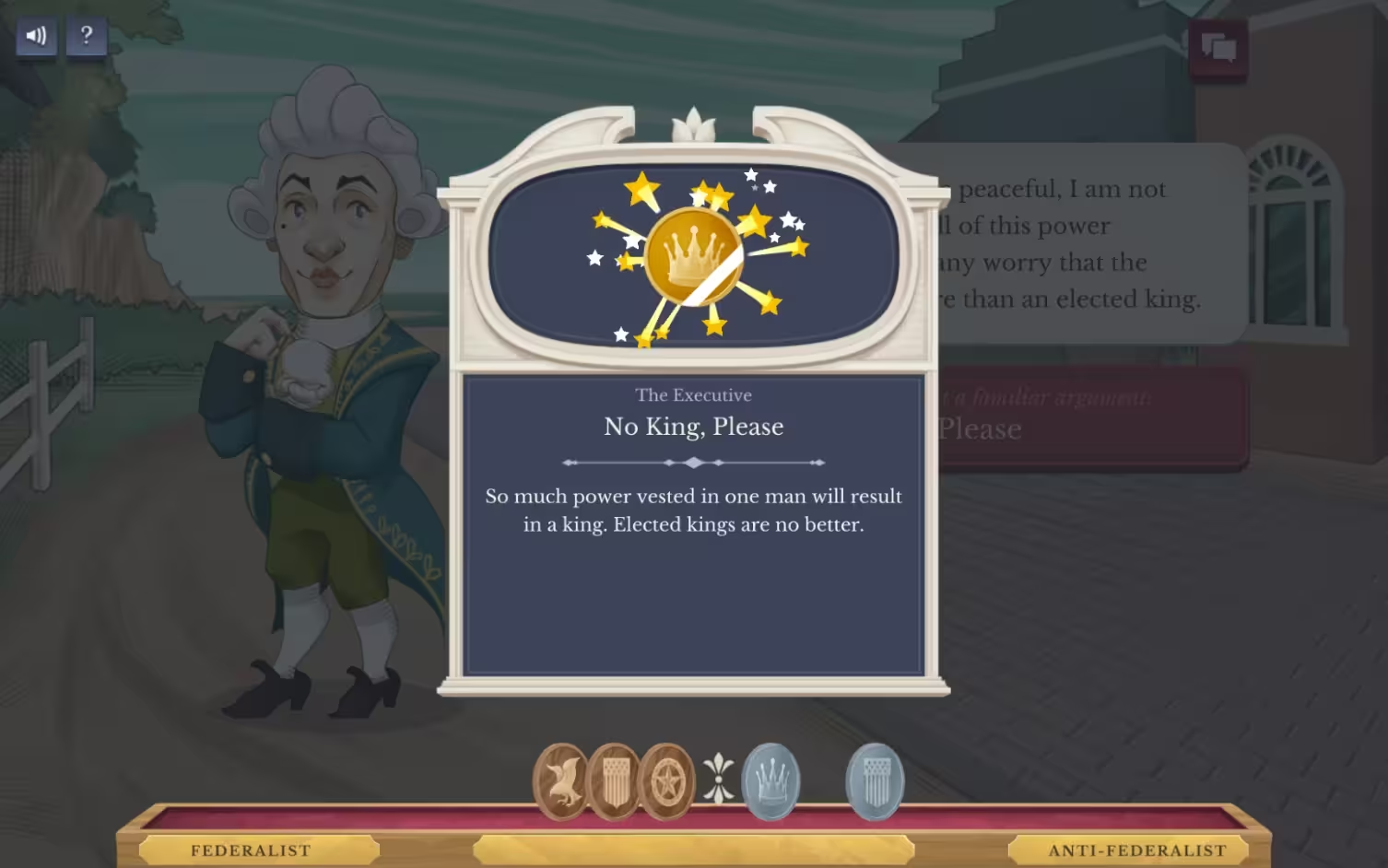
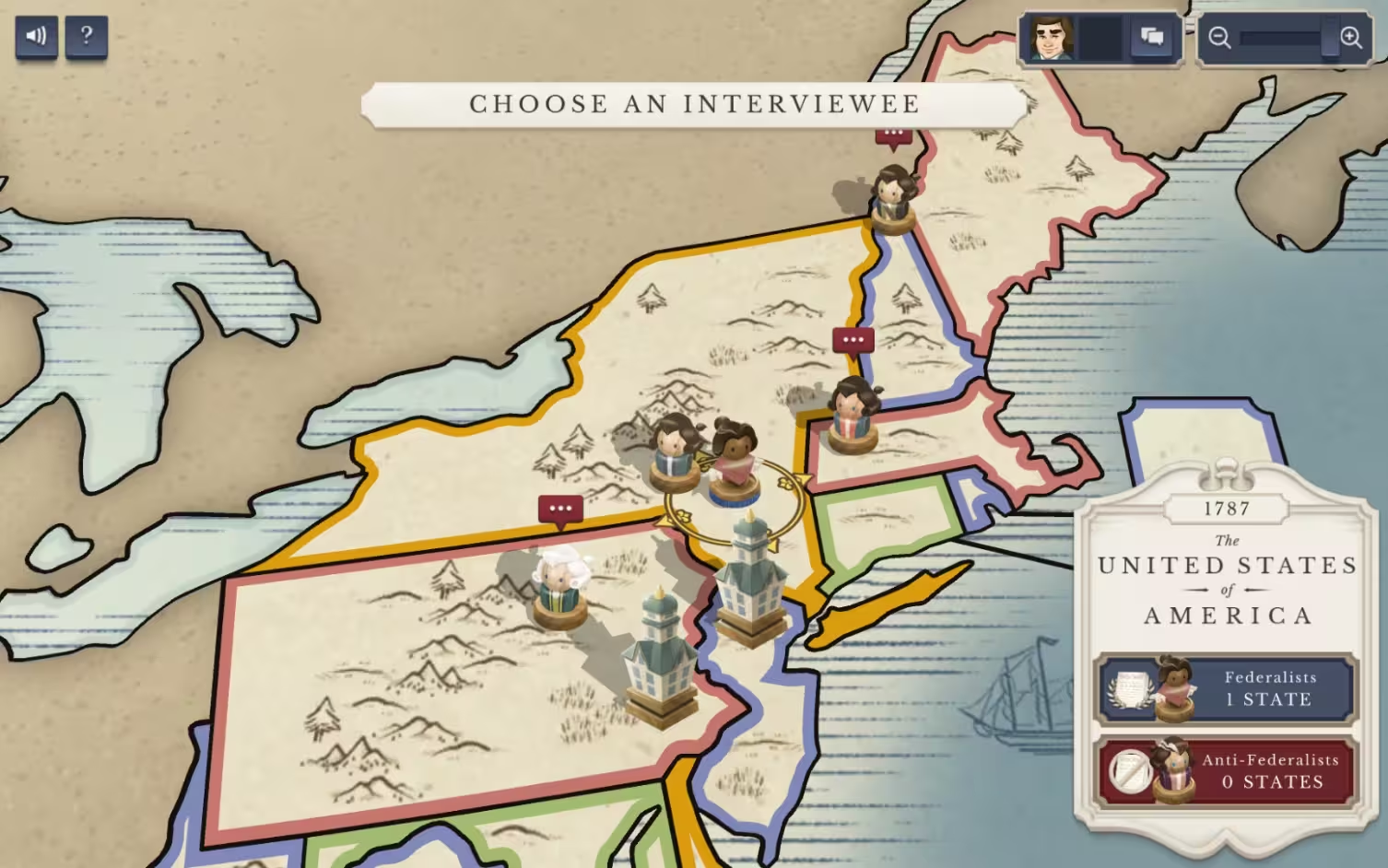
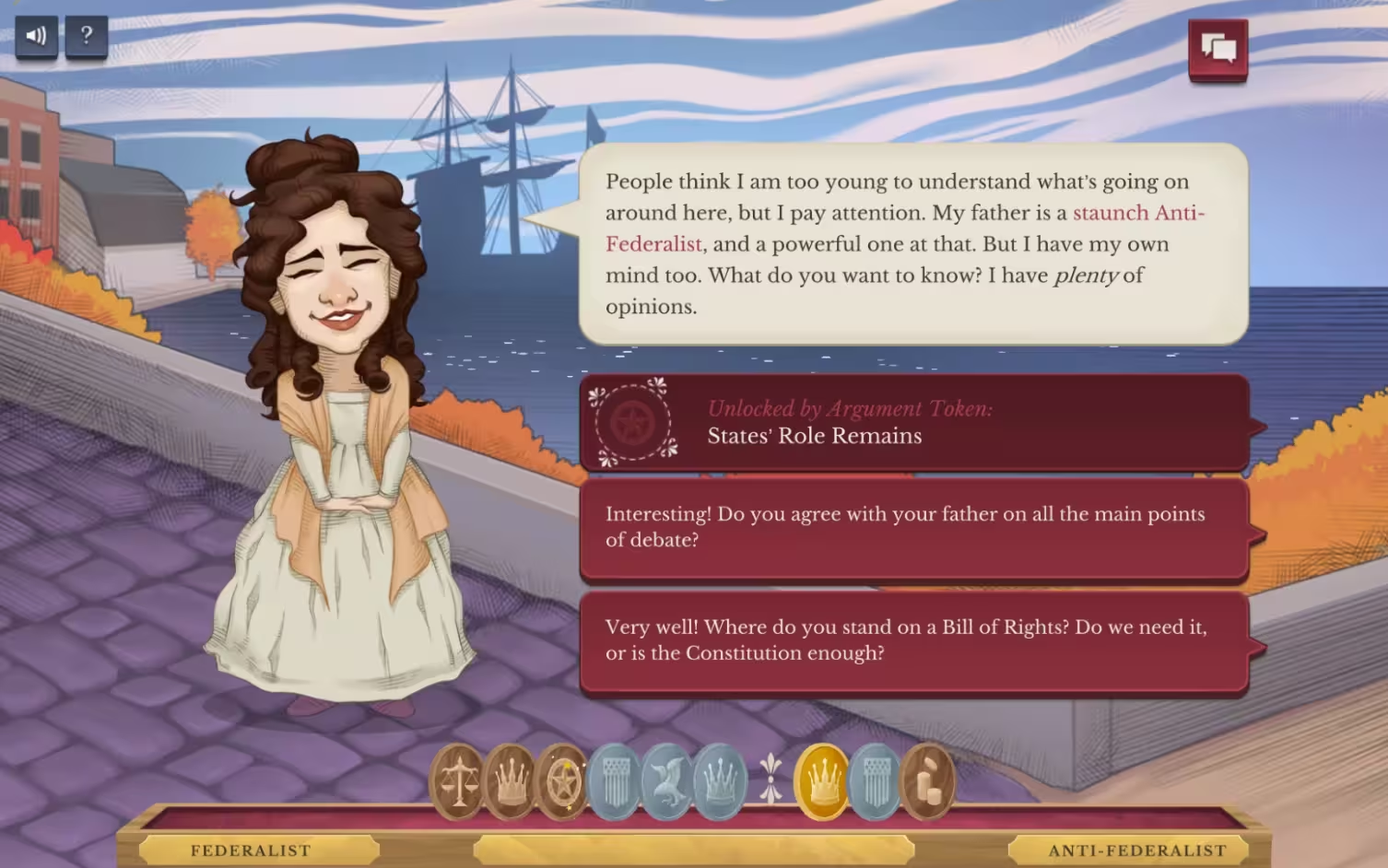
Race to Ratify is a civics learning game developed with iCivics that focuses on the debate over ratifying the U.S. Constitution. Players take on the role of a pamphleteer aligned with either the Federalists or Anti-Federalists, traveling across the thirteen states to gather arguments and influence public opinion. This simulation requires players to analyze the core ideological conflicts of the era, such as the balance between state and federal power, to effectively persuade a divided colonial public.
Constitutional Ratification, Federalist vs. Anti-Federalist Debates, Persuasive Writing, Historical Inquiry


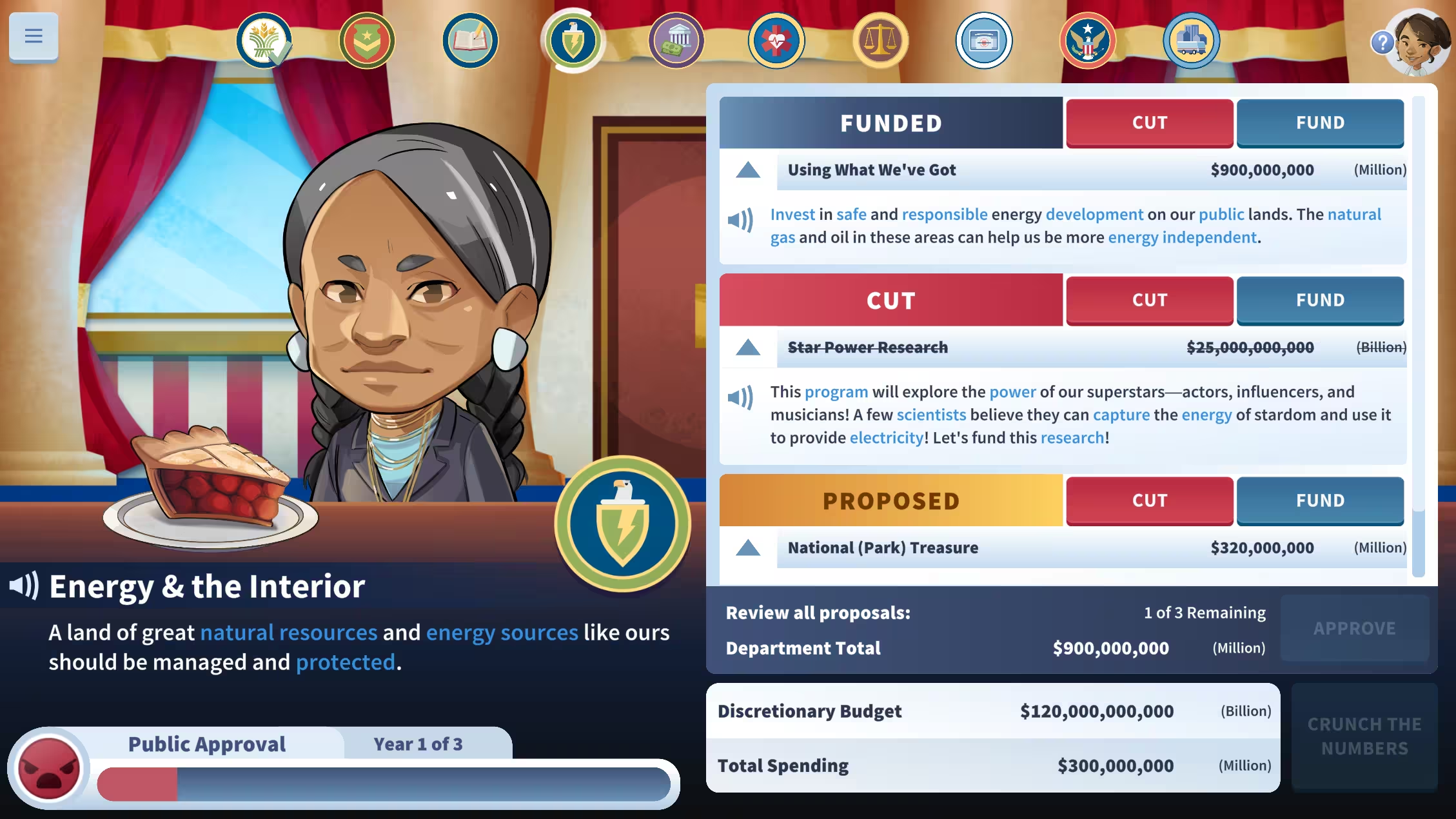
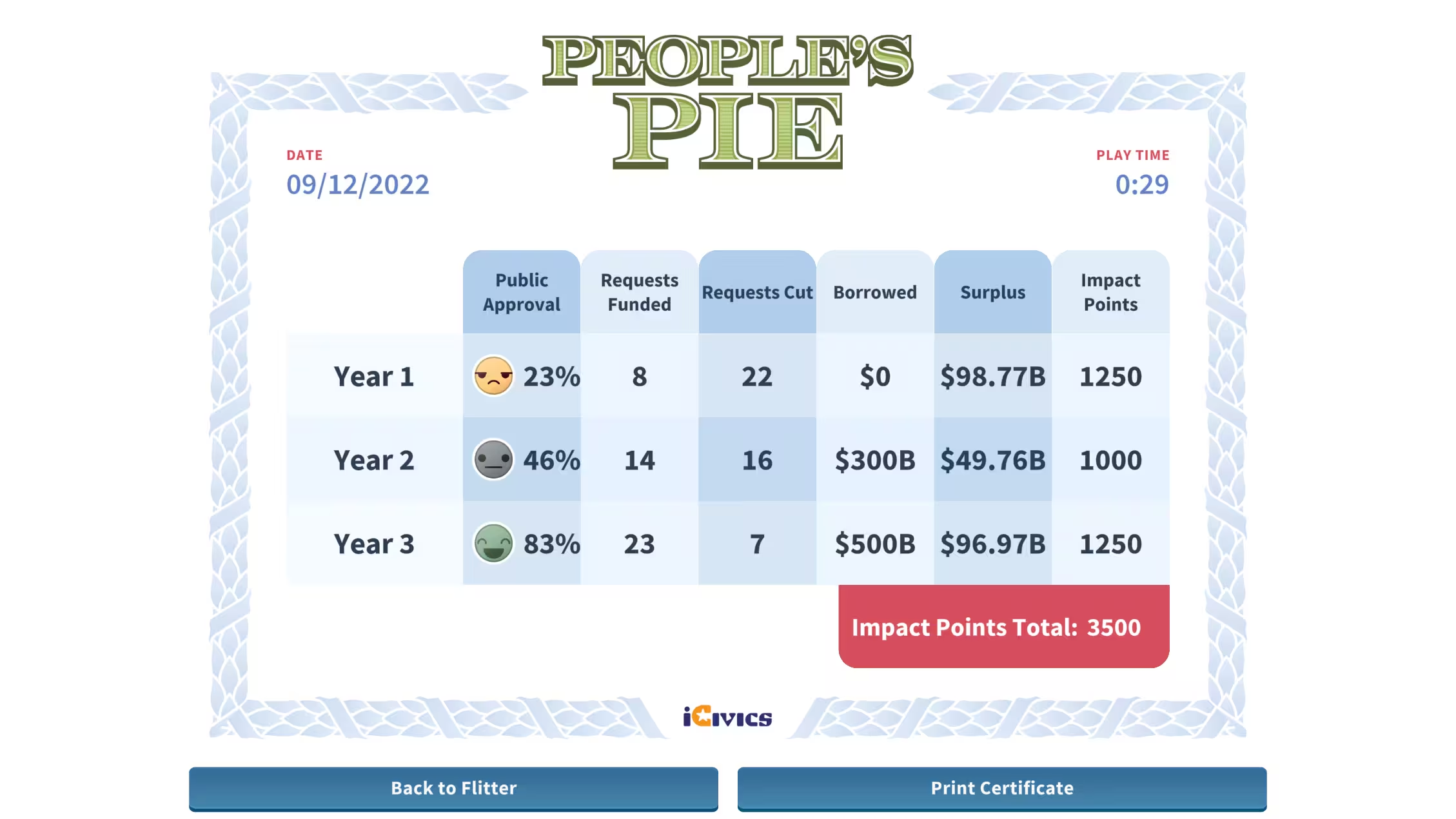
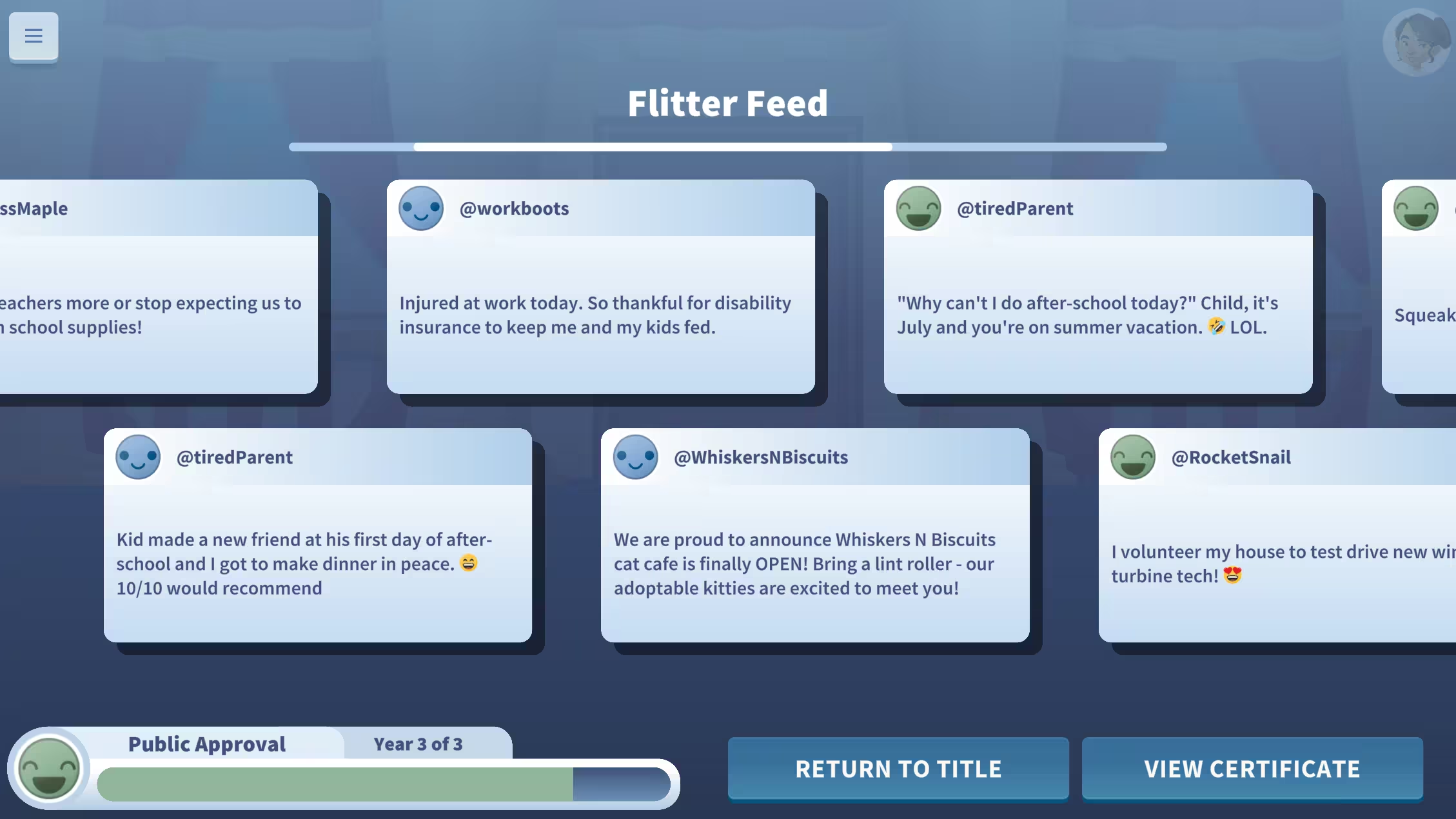
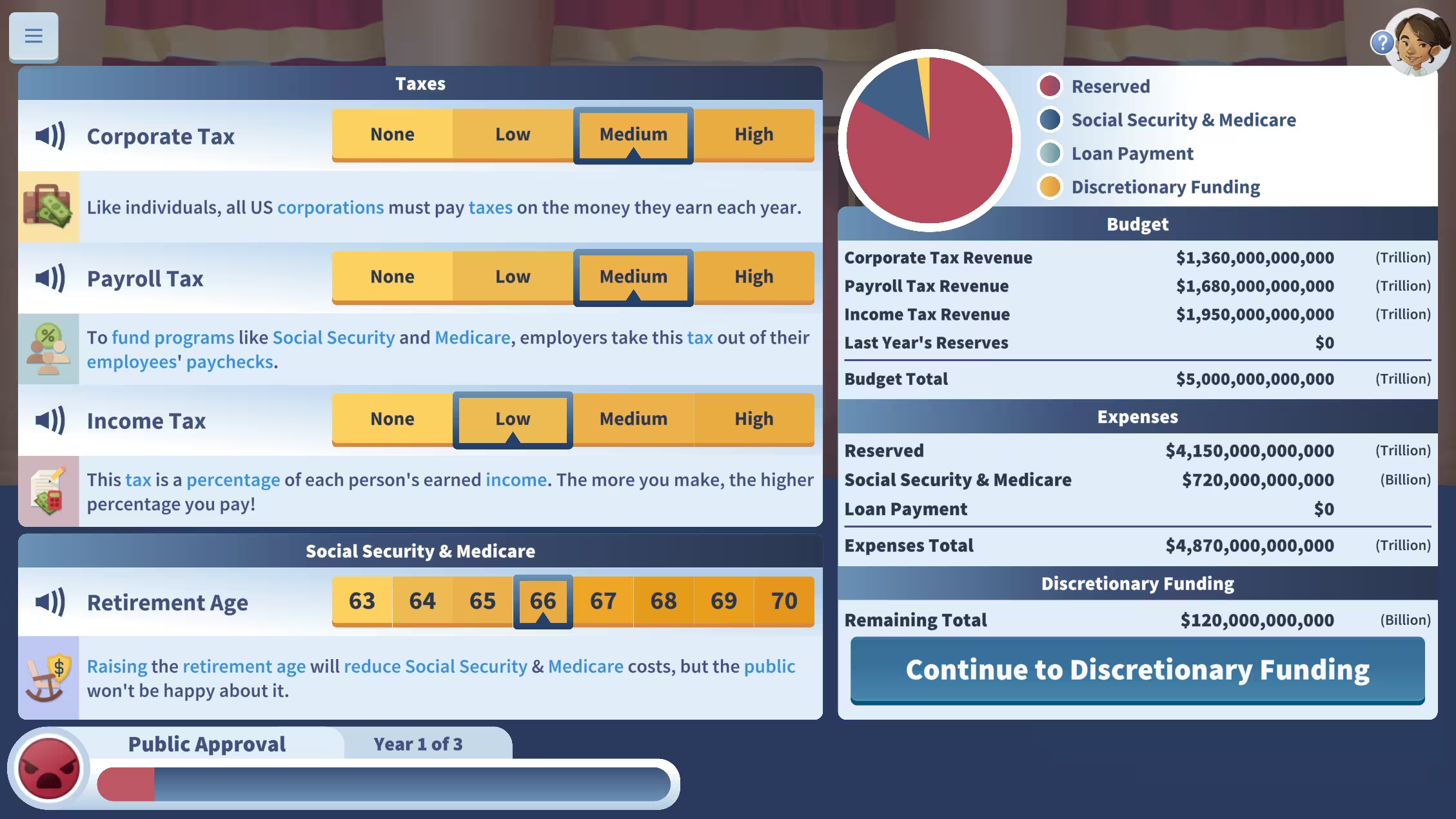
People’s Pie is a civics learning game developed with iCivics that focuses on the federal budgeting process. Players create and balance a national budget by making decisions about taxes, borrowing, and spending while responding to citizen satisfaction and economic conditions. This simulation requires players to navigate the difficult trade-offs between funding essential services and maintaining fiscal responsibility to see how federal tax dollars are distributed.
Federal Budgeting, National Debt & Deficits, Fiscal Policy, Taxation & Spending


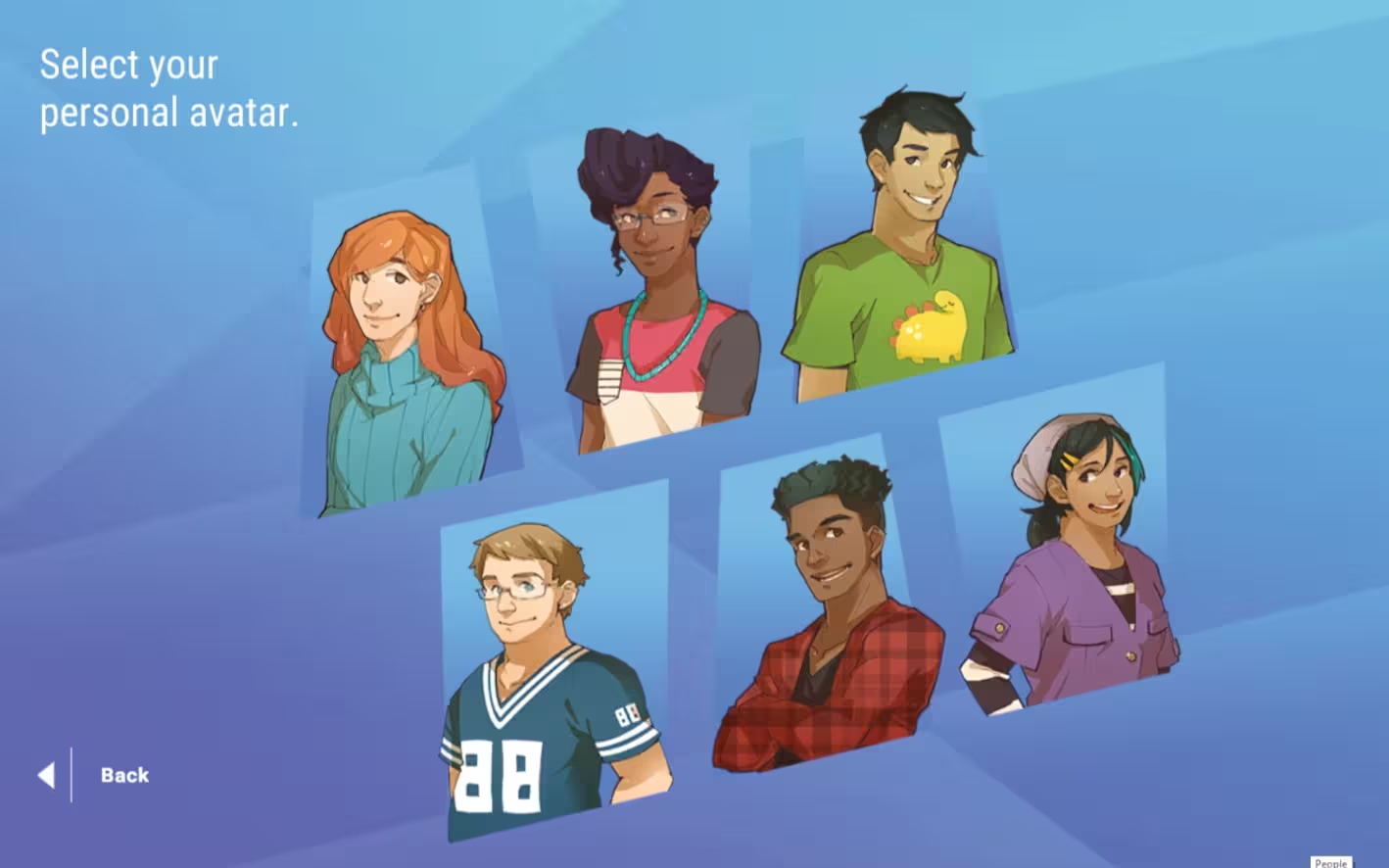
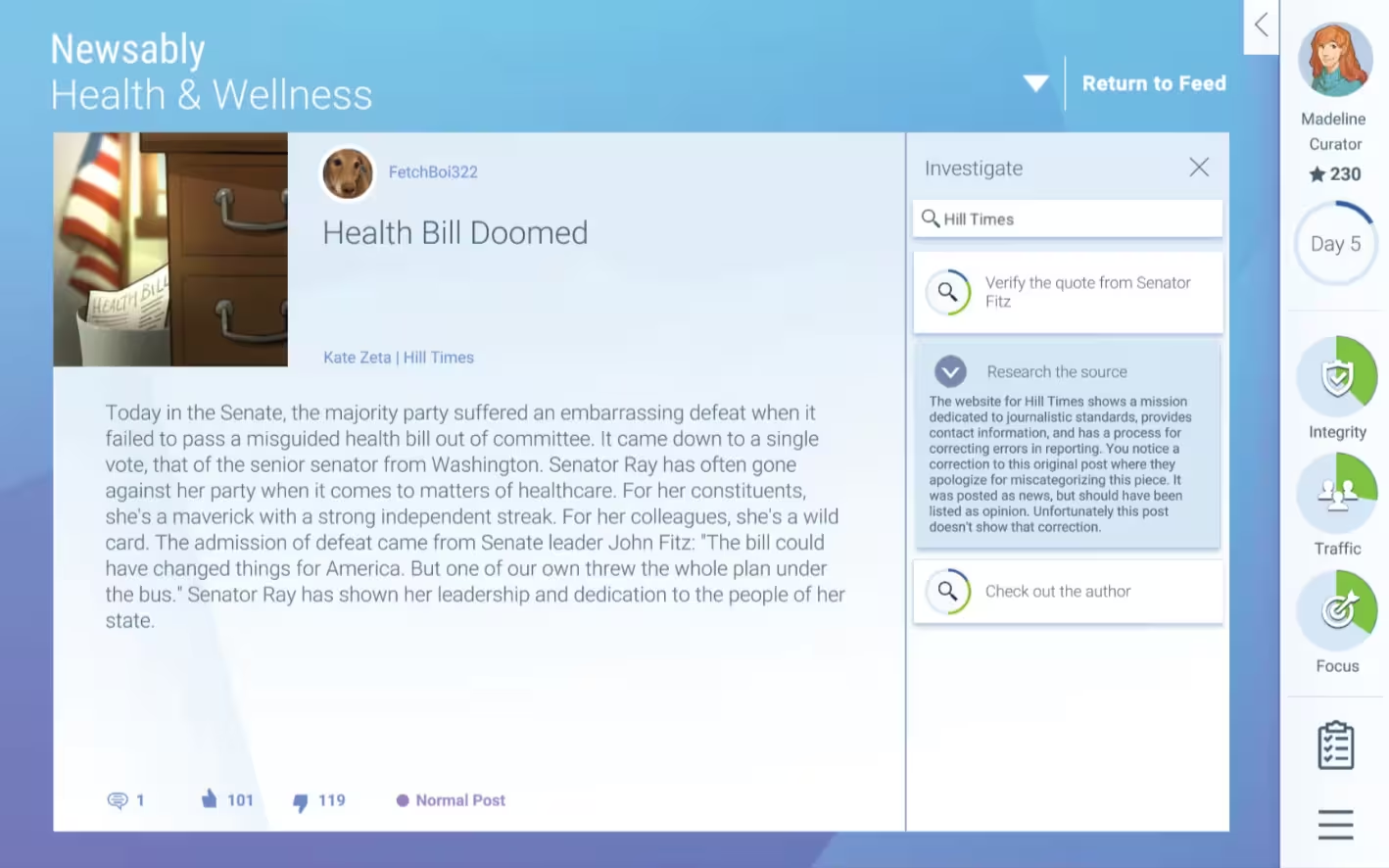
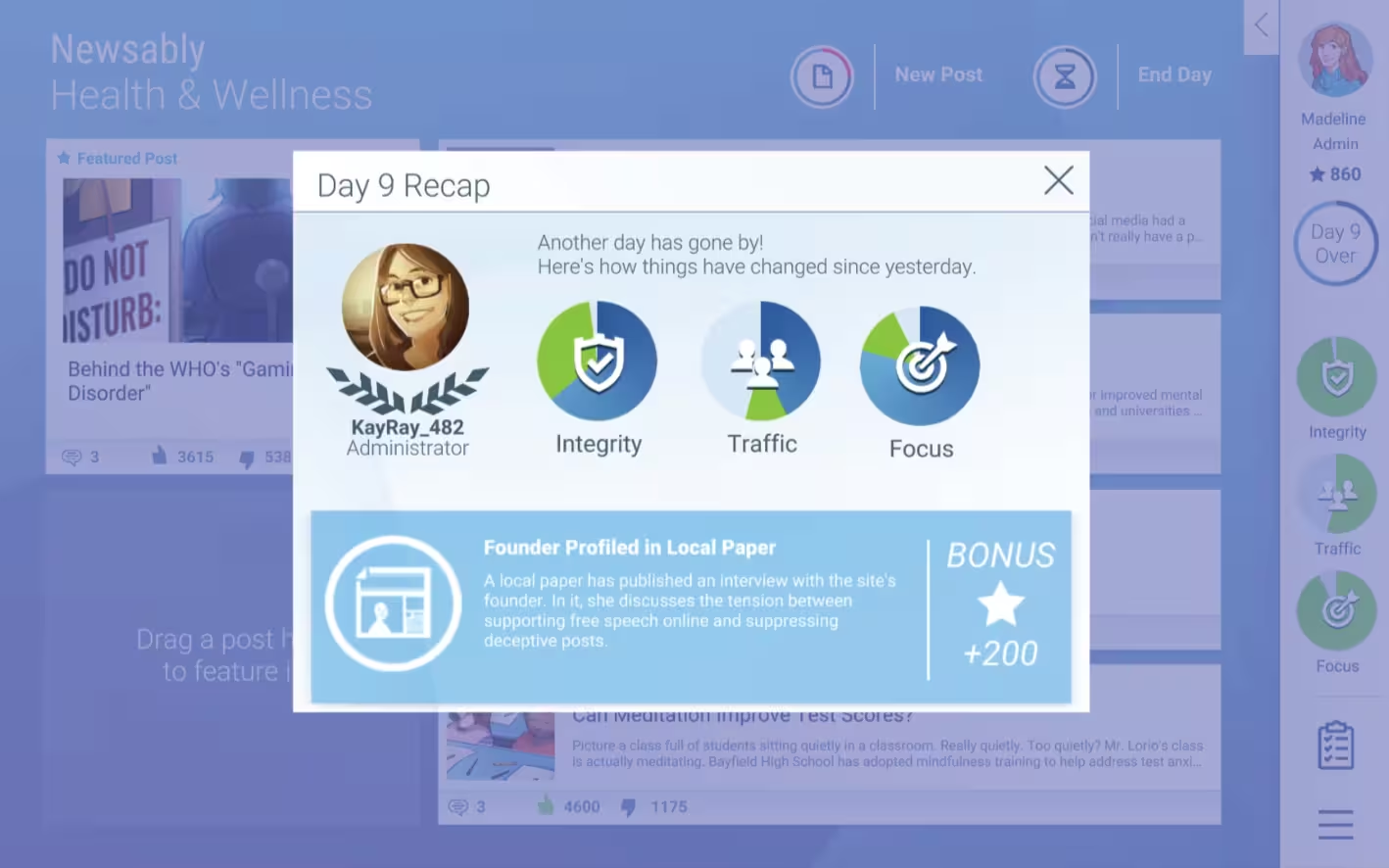
NewsFeed Defenders is a civics and media literacy learning game developed with iCivics that focuses on evaluating information in a digital news environment. Players moderate a fictional social media platform, balancing audience growth with decisions about removing or limiting misleading, biased, or deceptive content. This simulation teaches players to identify journalistic standards, spot "viral deception," and apply lateral reading techniques to maintain the integrity of an online community.
Media Literacy, Content Moderation, Journalism Standards, Identifying Misinformation


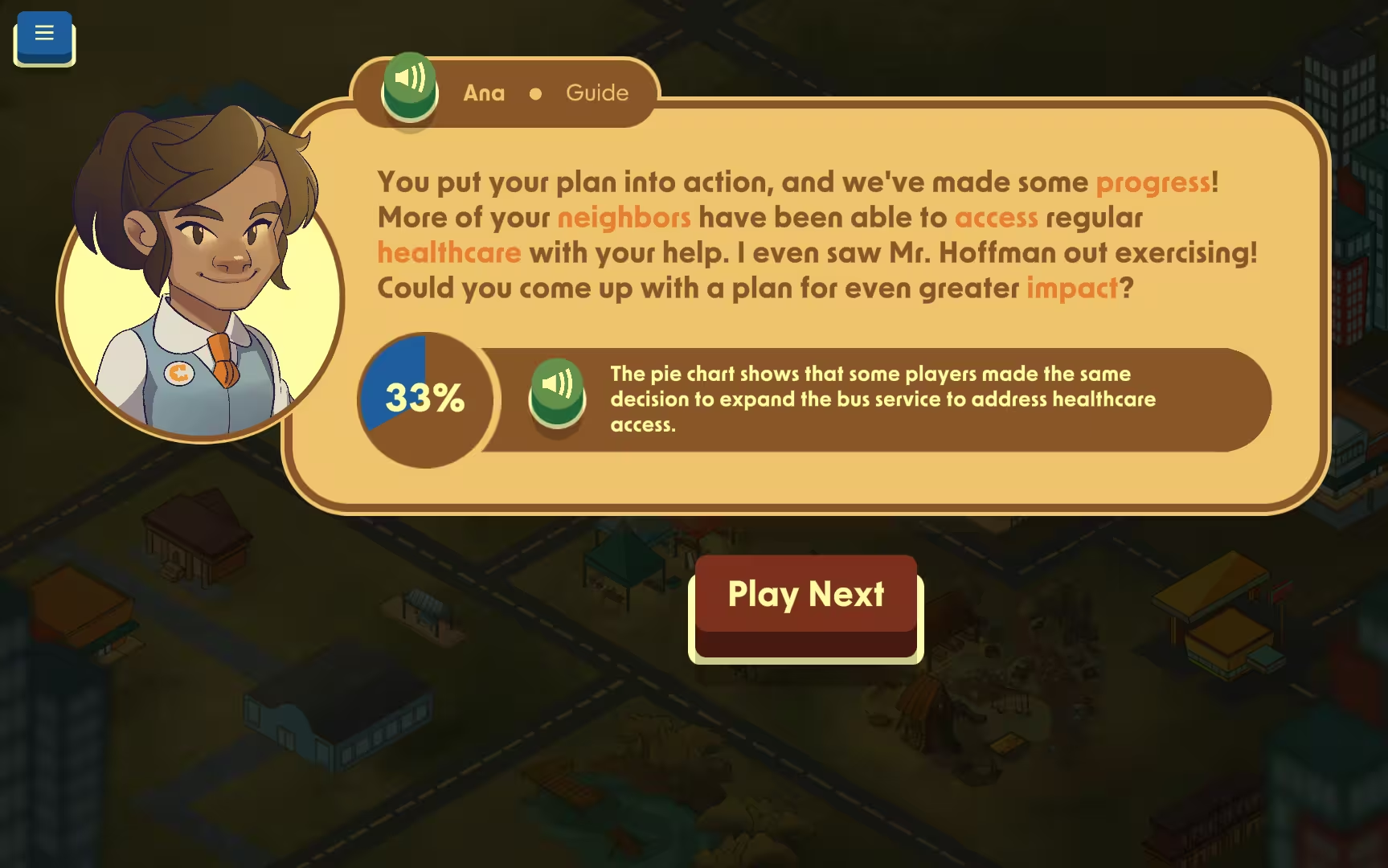
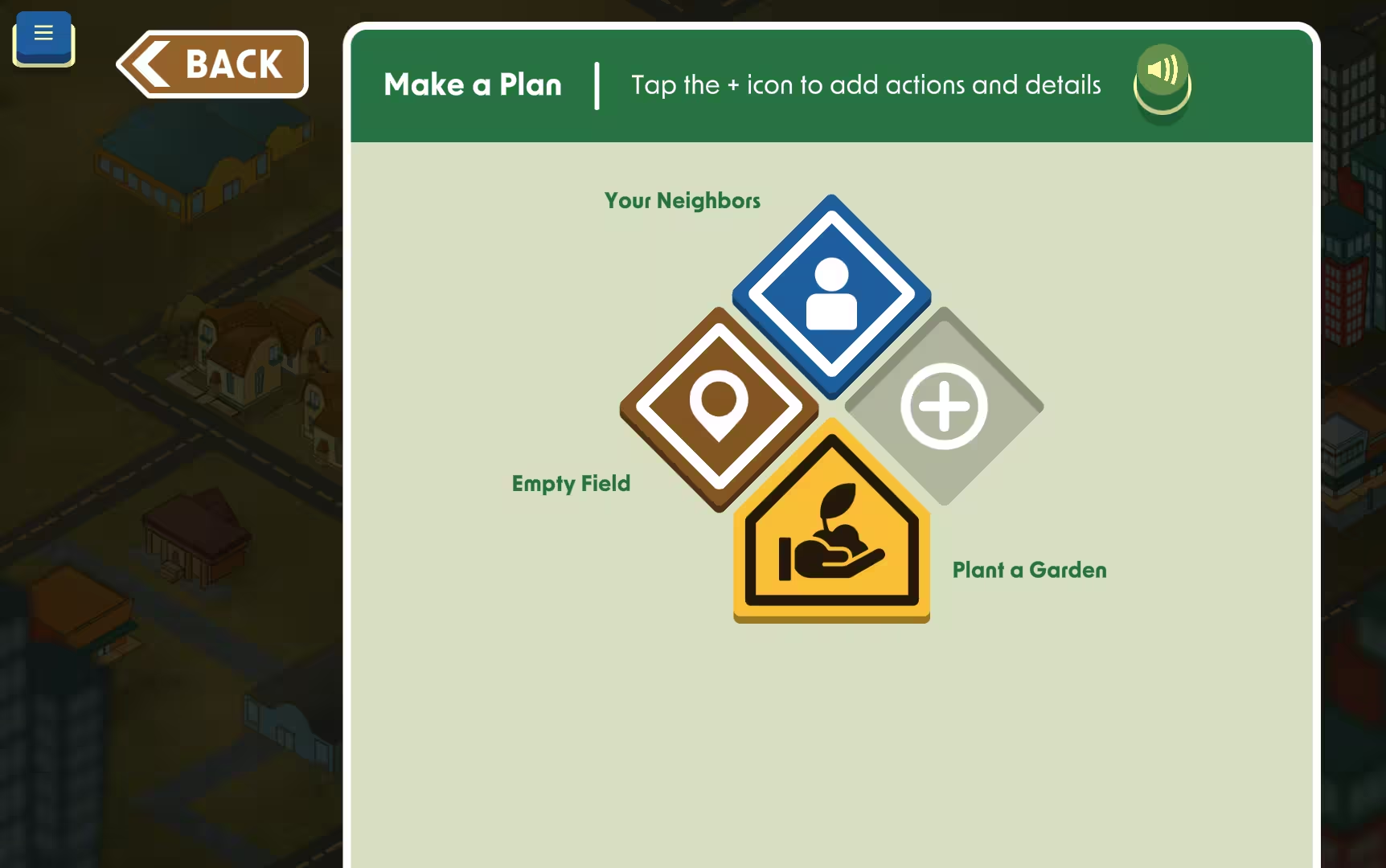
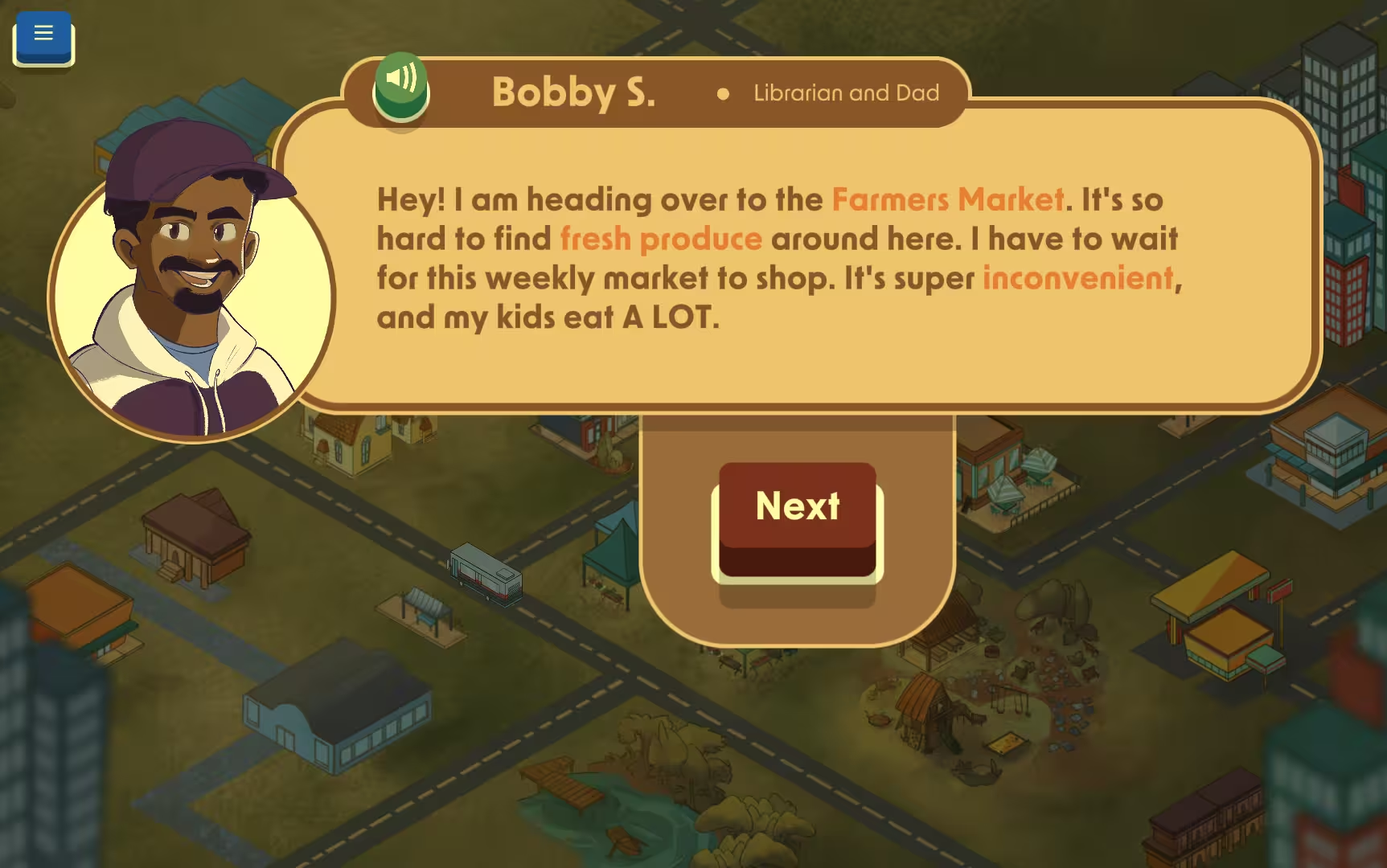
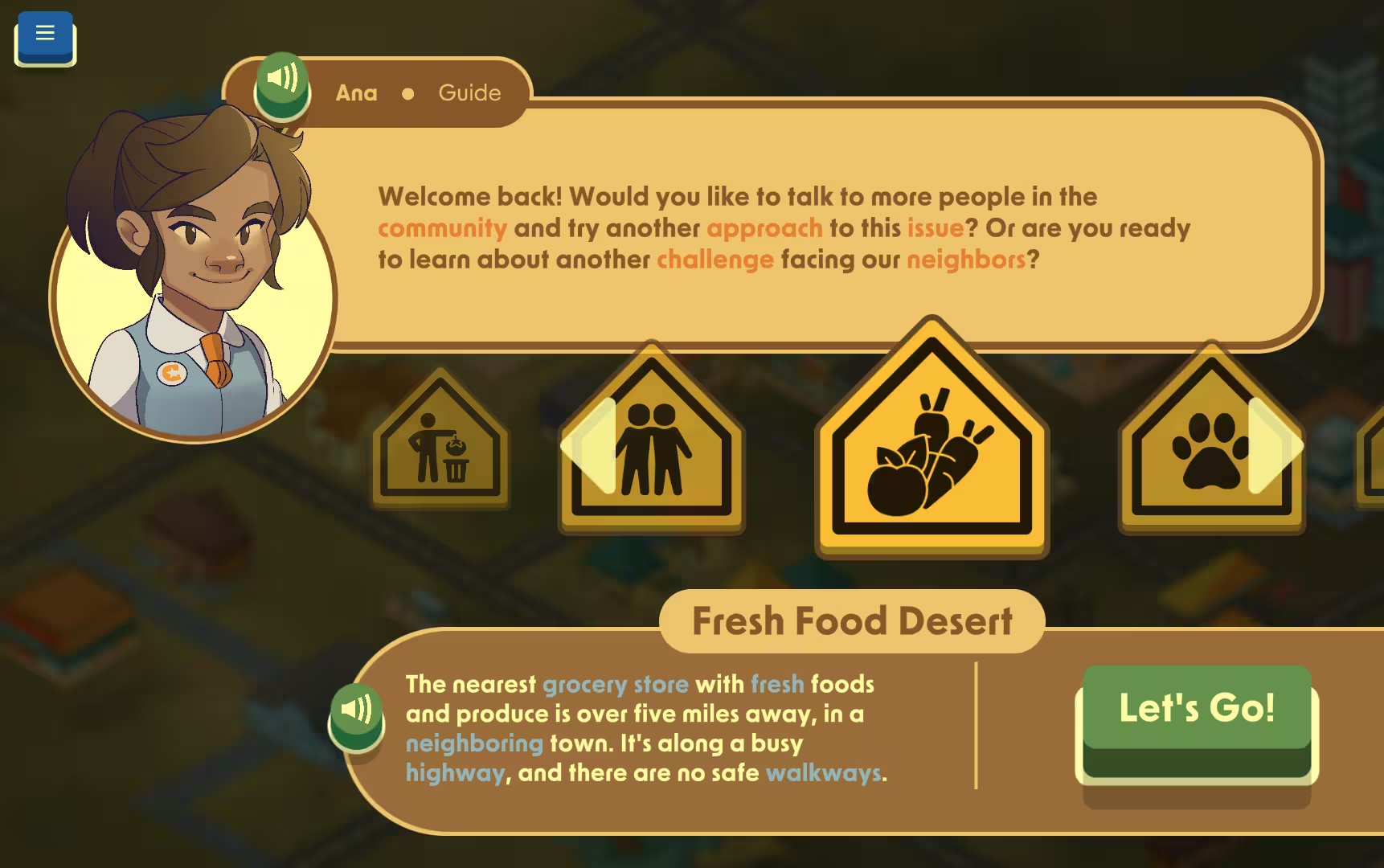
Neighborhood Good is a civics learning game developed with iCivics that introduces students to community-level civic engagement. Players select issues within a fictional neighborhood, talk with residents to understand different perspectives, and develop plans of action using available community resources. This simulation emphasizes the importance of grassroots communication and strategic problem-solving to address local concerns and improve the collective wellbeing of a community.
Community Civic Action, Local Problem Solving, Stakeholder Perspective-Taking, Resource Allocation


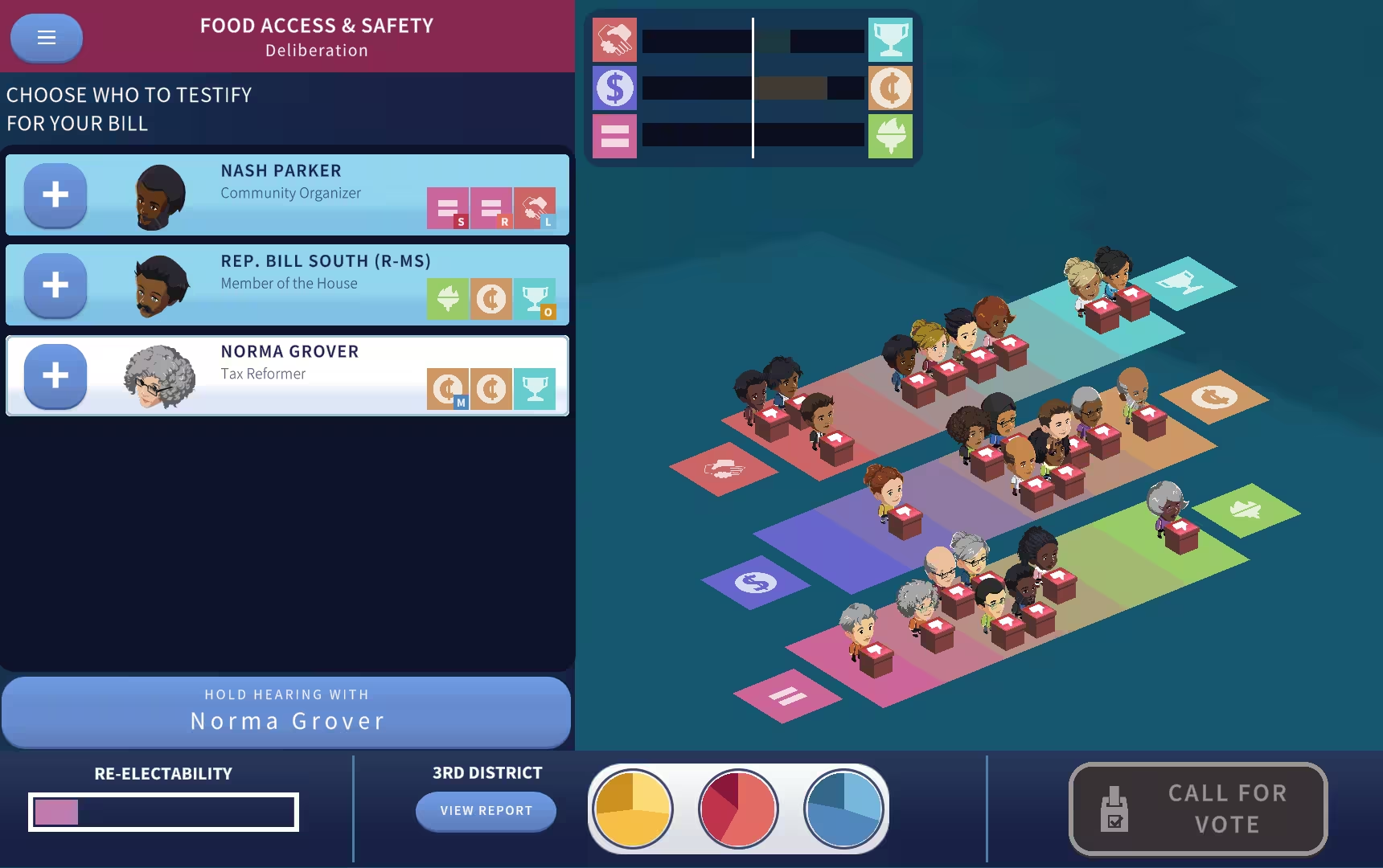
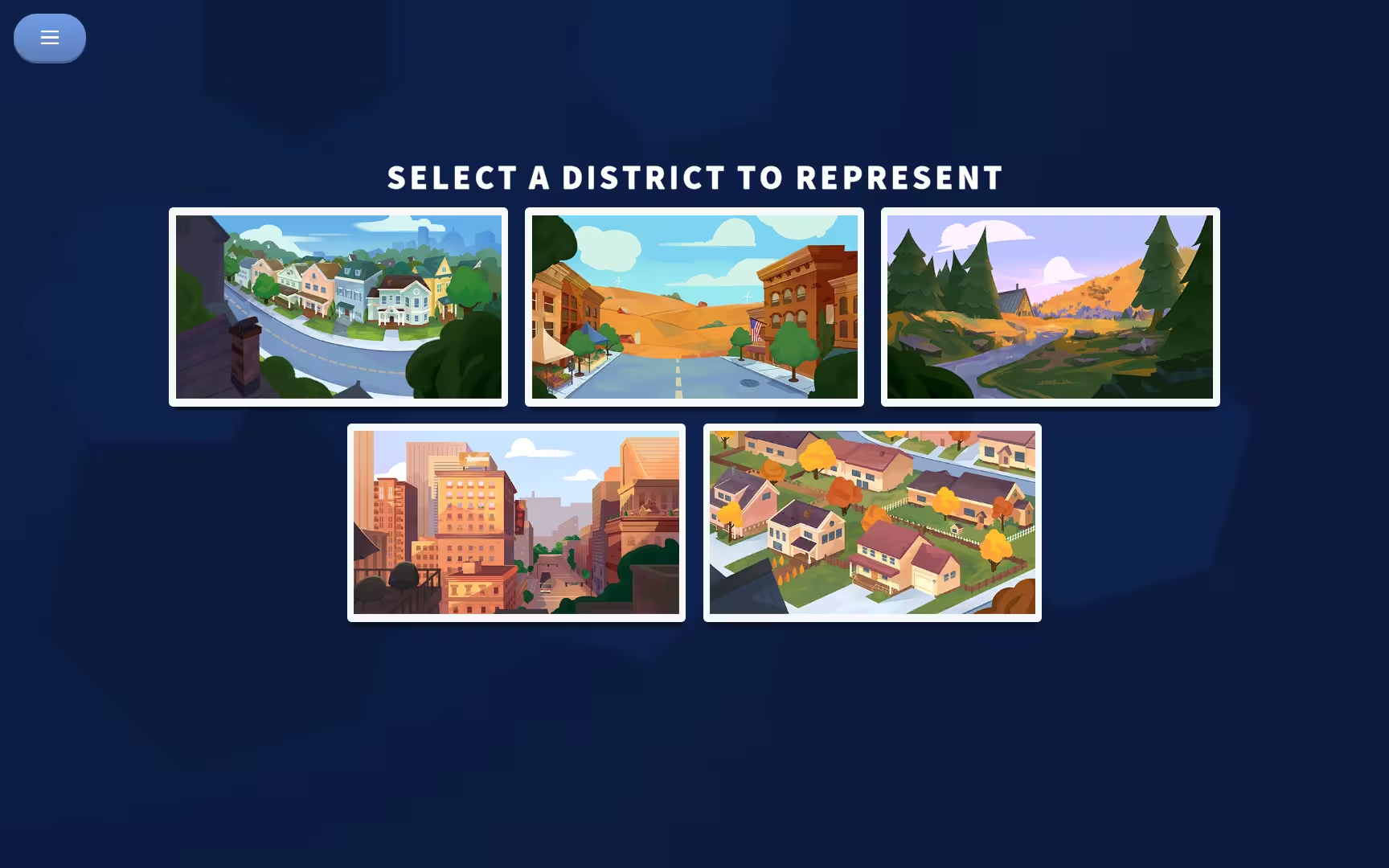
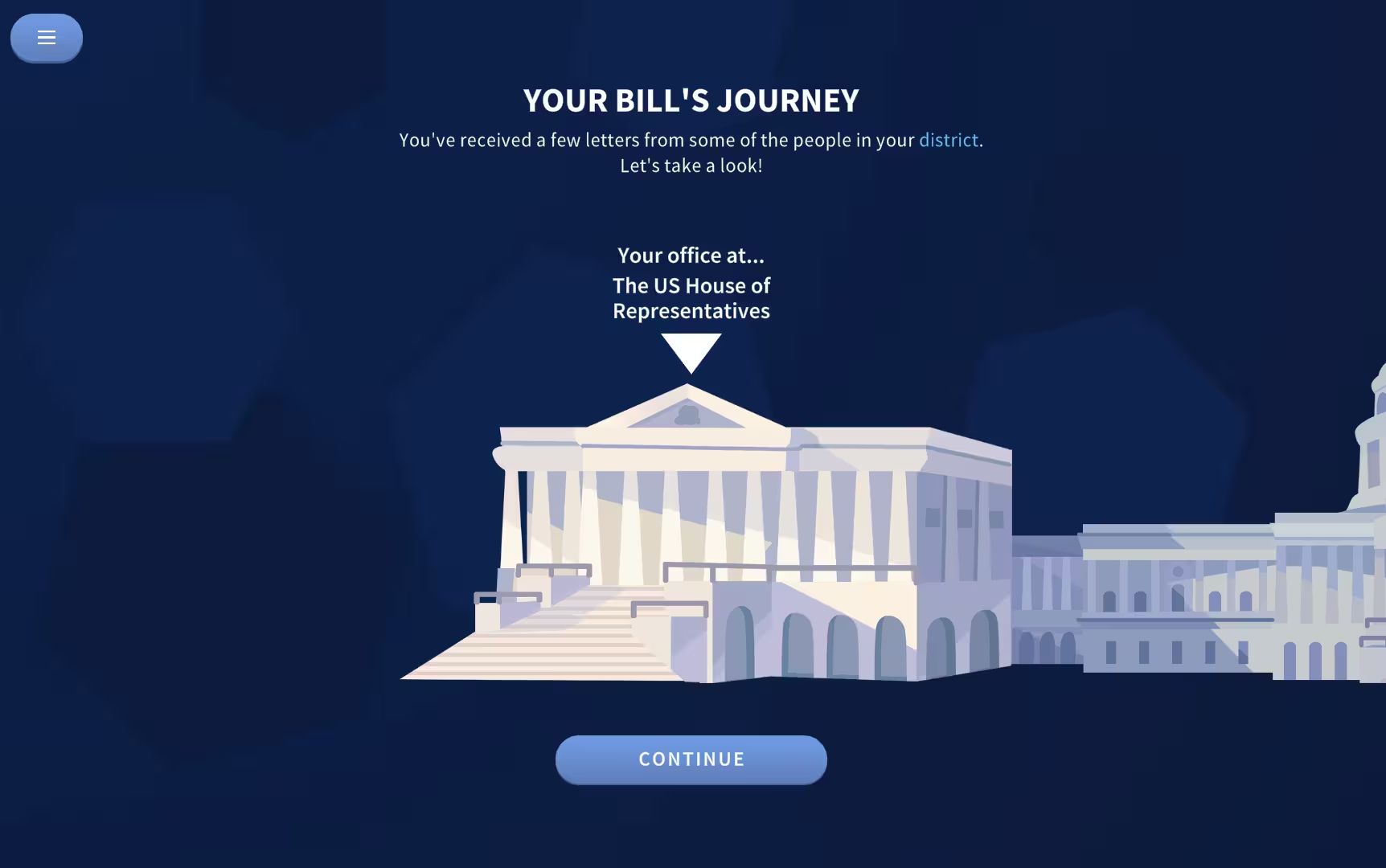
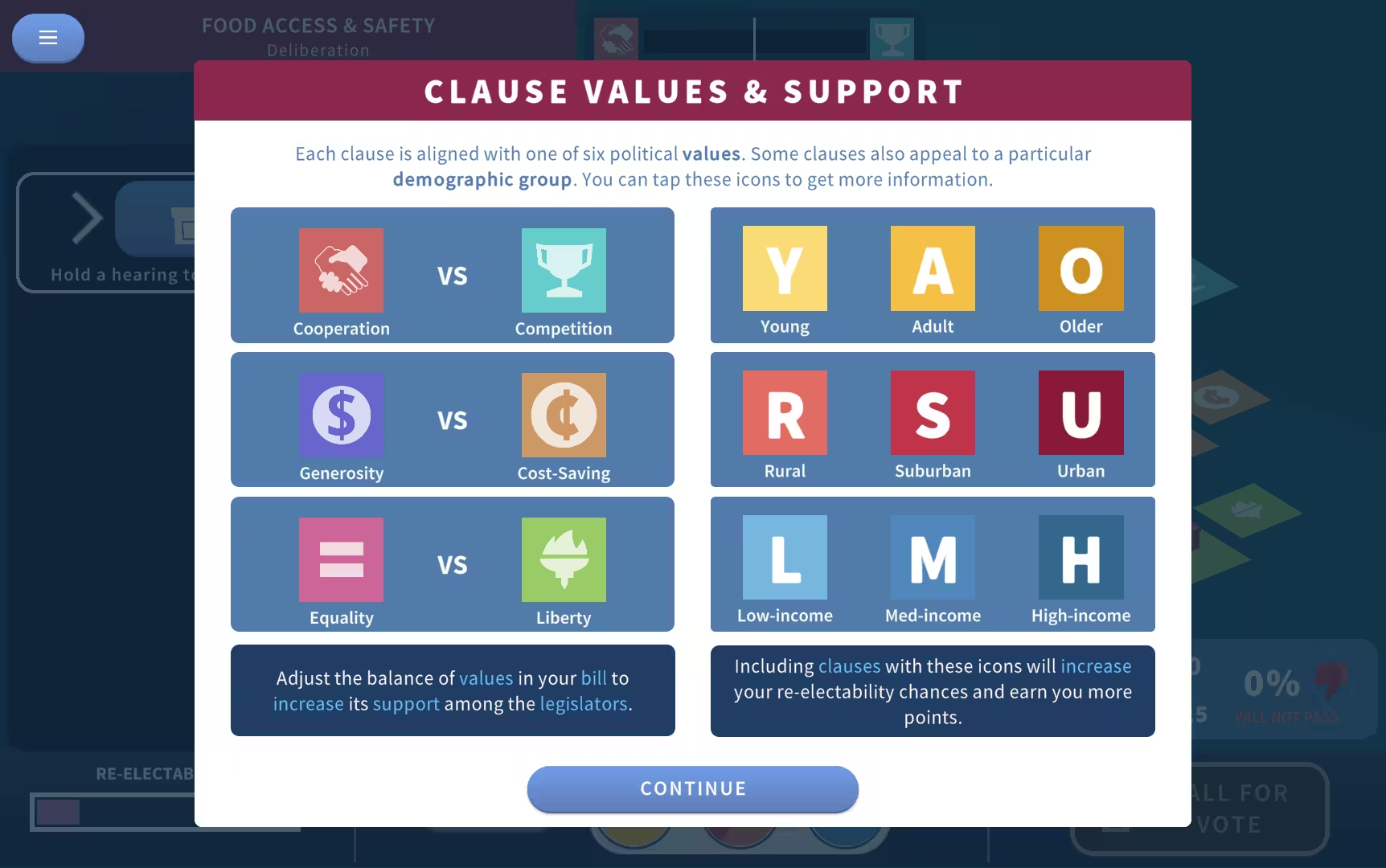
LawCraft is a civics learning game developed with iCivics that focuses on the lawmaking process of the U.S. Congress. Players represent a House district, review constituent input and survey data, and work through the legislative process to advance bills through the House and Senate. This simulation requires players to navigate the complexities of drafting legislation, building consensus, and balancing the competing interests of constituents and colleagues to successfully pass a law.
Congressional Lawmaking, Legislative Drafting, Constituent Representation, Political Tradeoffs


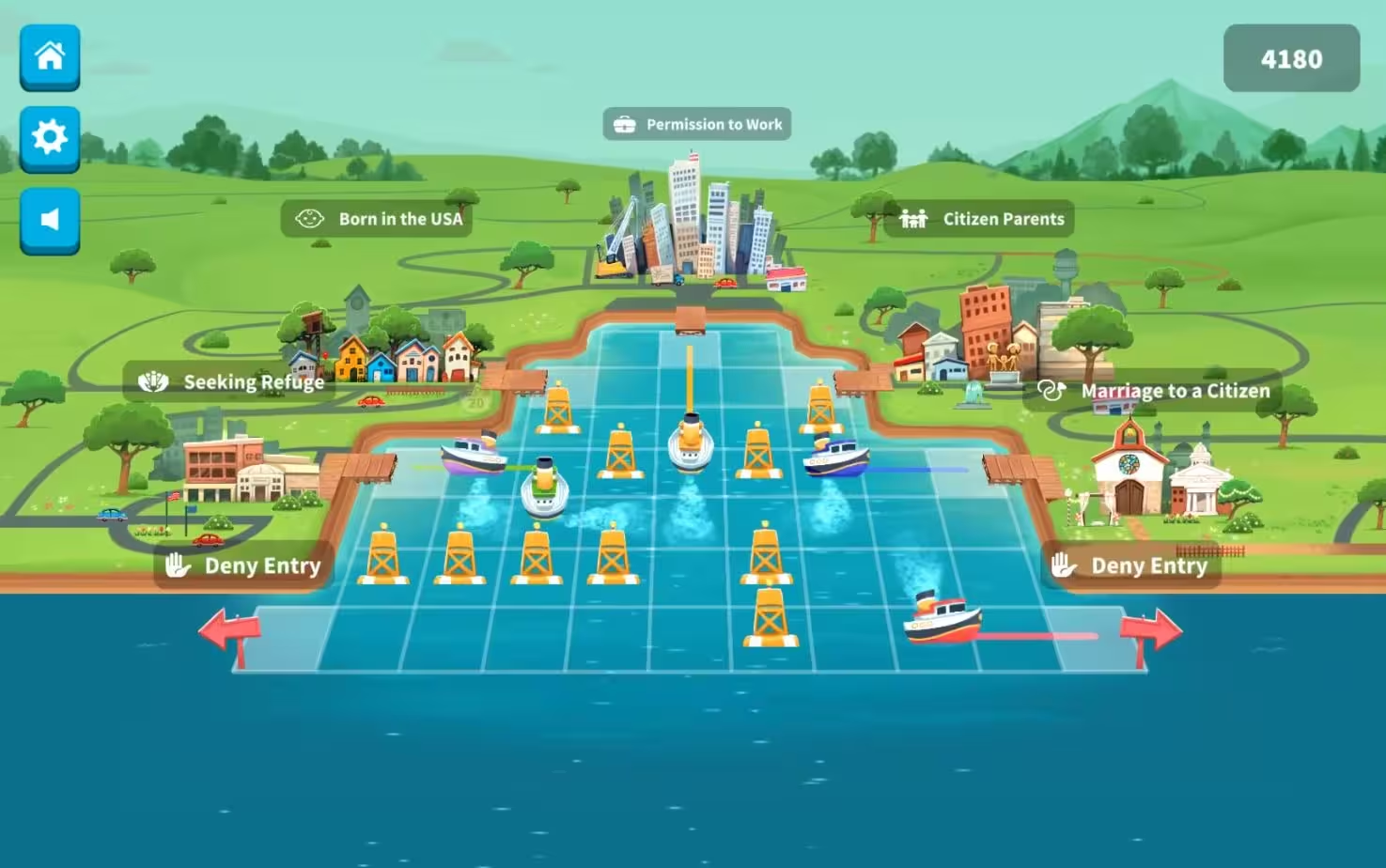
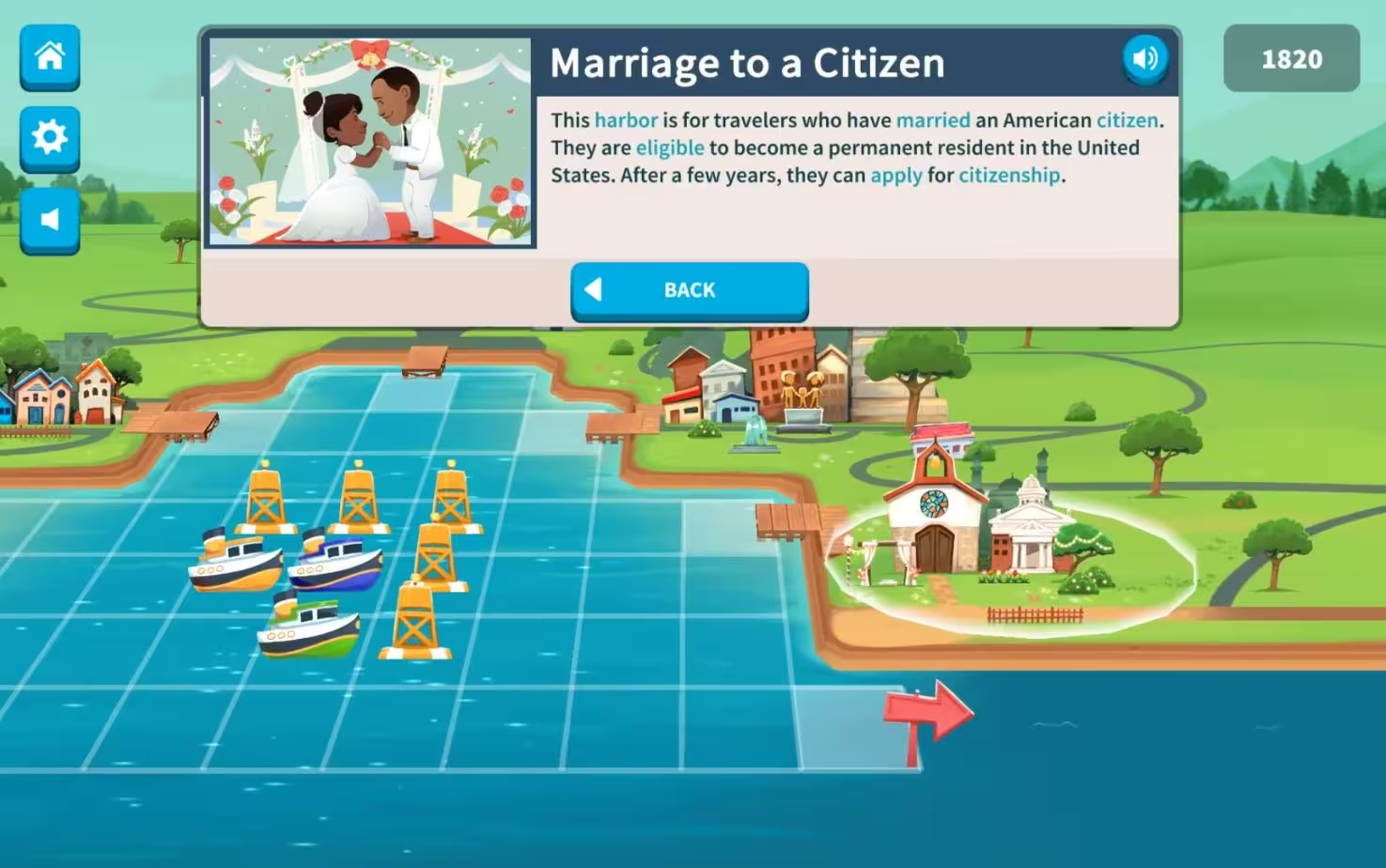
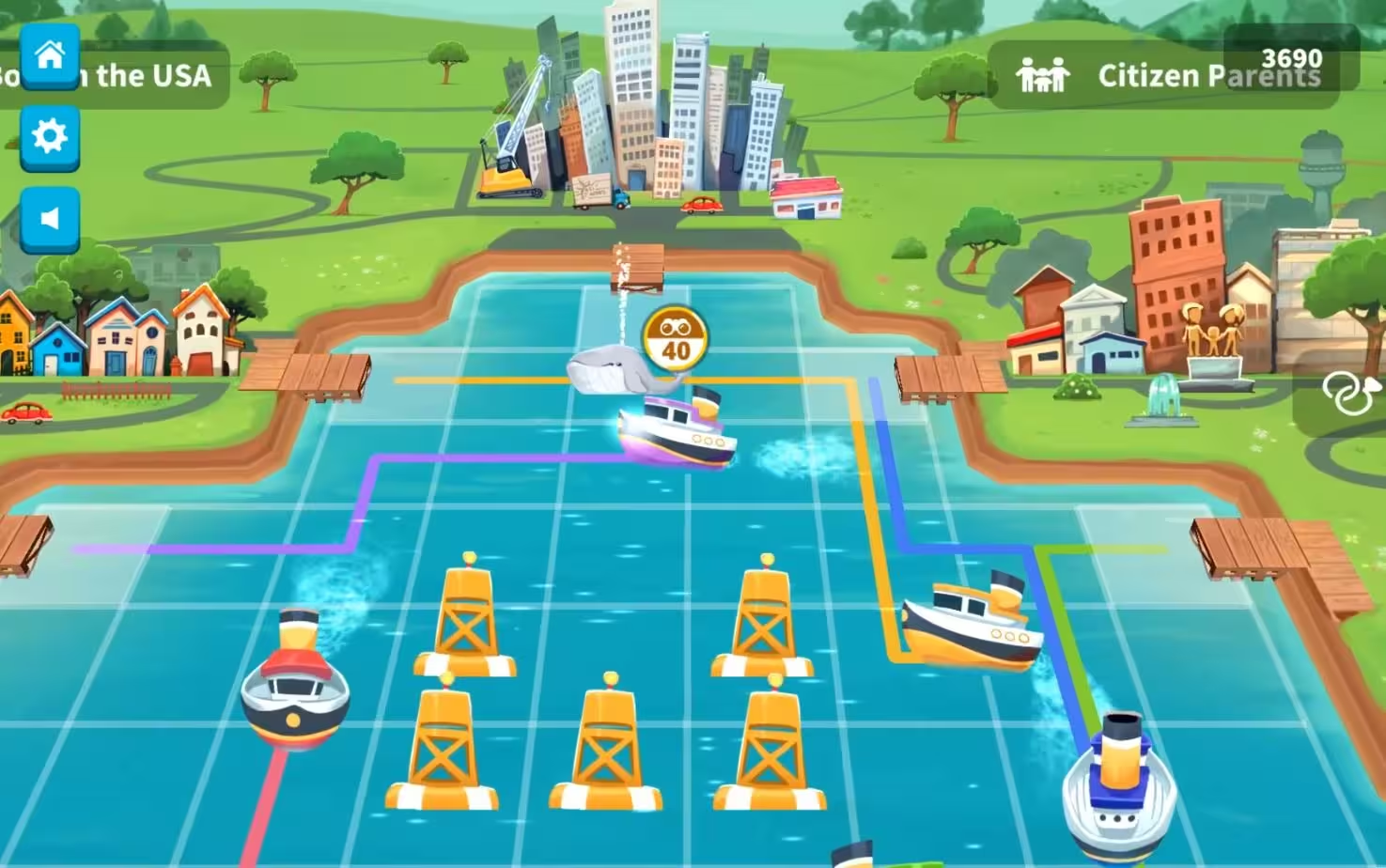
Immigration Nation is a civics learning game developed with iCivics that focuses on the U.S. immigration and naturalization process. Players guide individuals through pathways to legal residence and citizenship by applying eligibility rules and making decisions within a turn-based system. This simulation requires players to analyze specific legal criteria and procedural requirements to navigate the complexities of the American immigration system.
Immigration Pathways, Naturalization Process, Eligibility Criteria, Citizenship Requirements


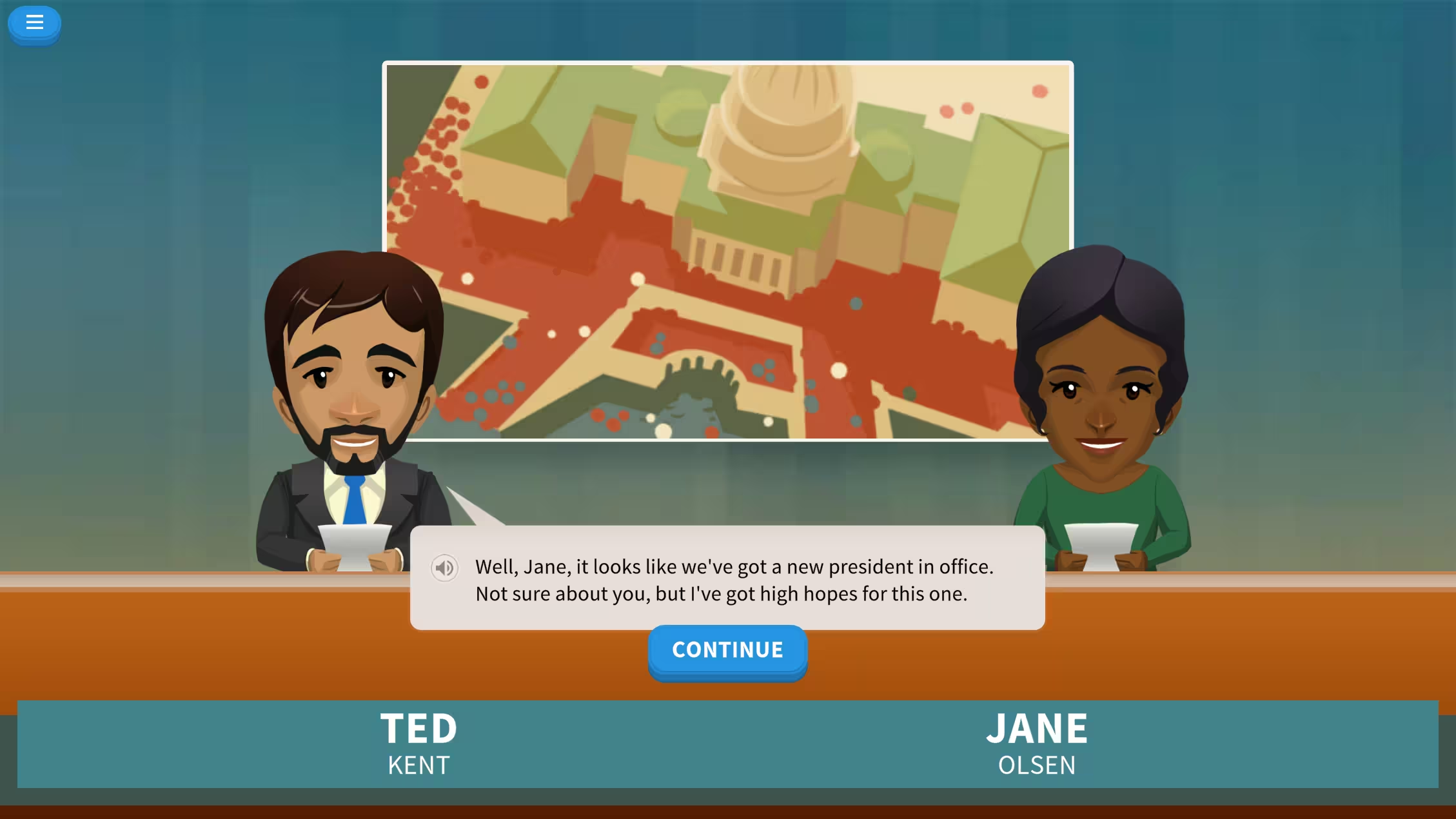
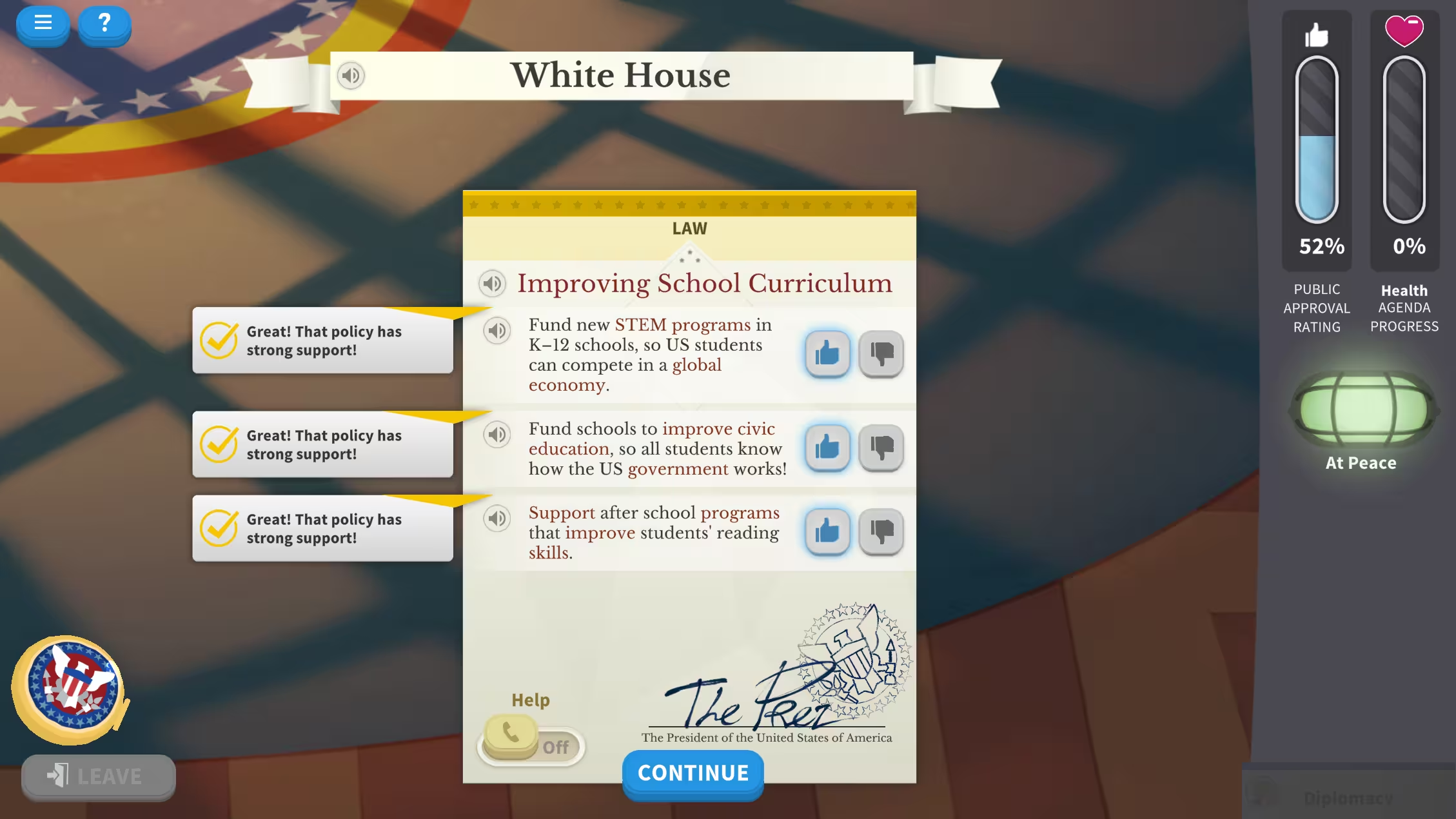
Executive Command is a civics learning game developed with iCivics that focuses on the roles and responsibilities of the U.S. presidency. Players take on the role of the president, balancing legislative priorities, executive duties, and national security decisions while managing competing demands and constraints. This simulation requires players to navigate the complexities of the executive branch, making strategic choices to fulfill their agenda and respond to national needs within the federal system.
Presidential Powers, Legislative Relations, Commander-in-Chief Duties, Executive Decision-Making


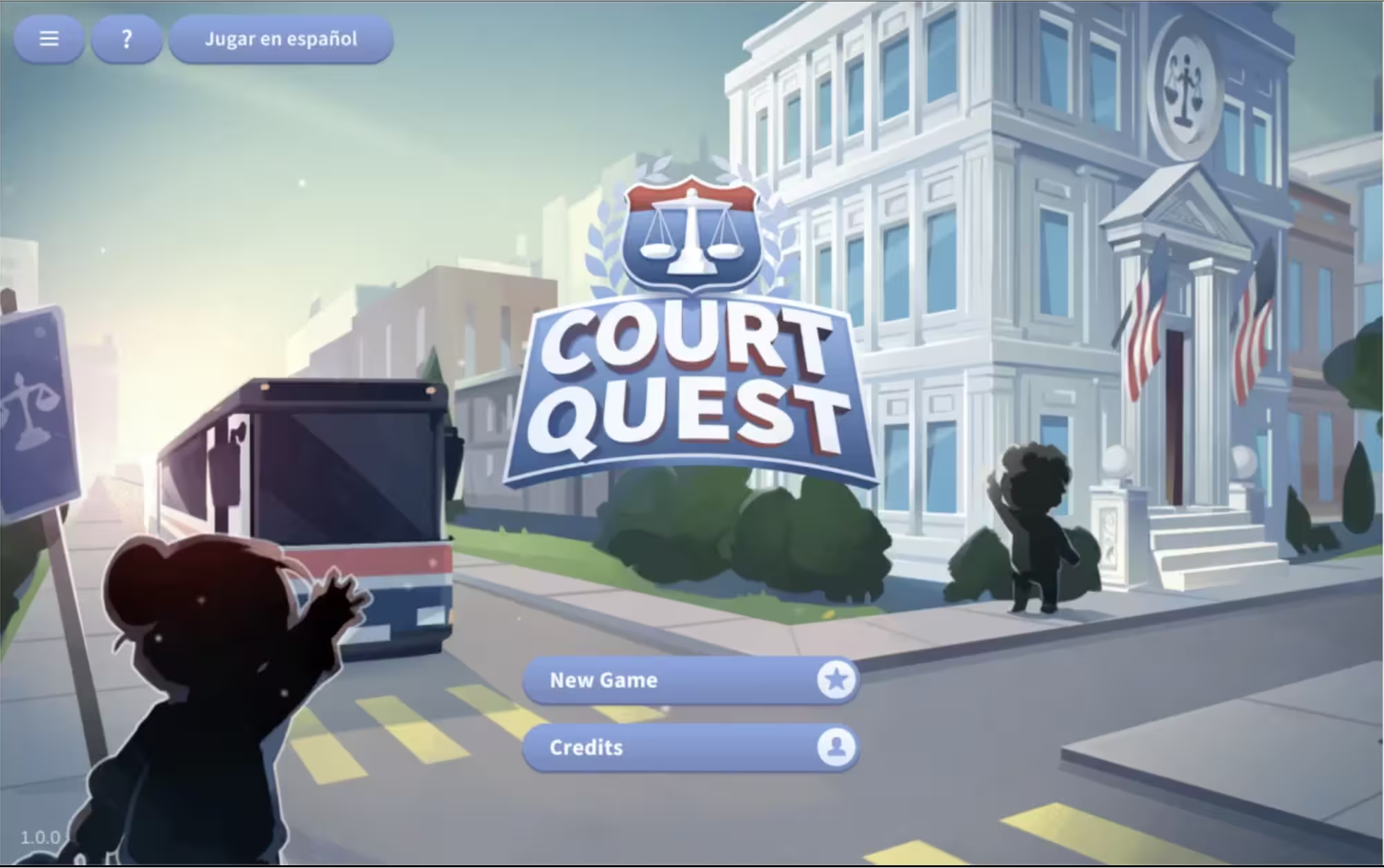
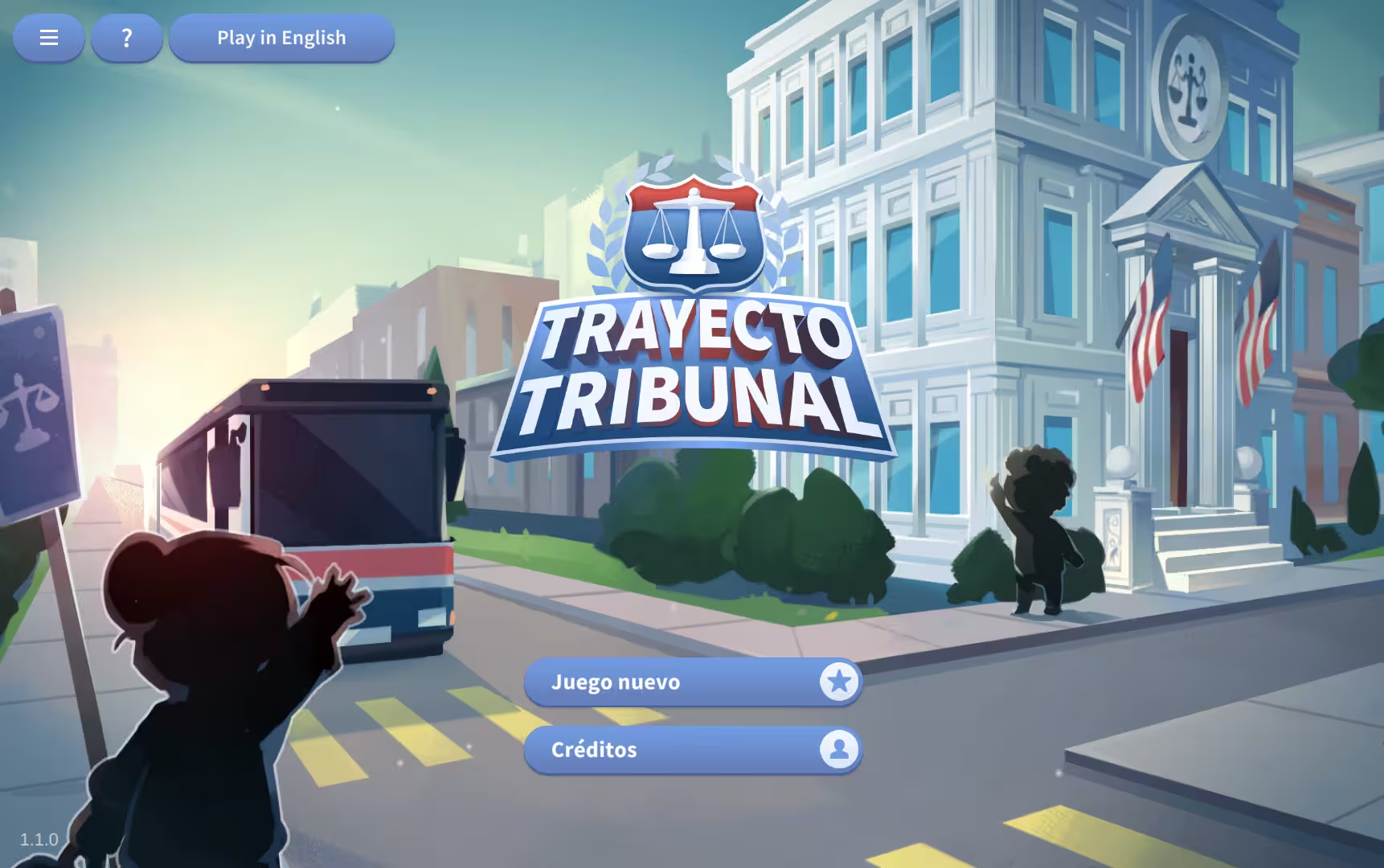
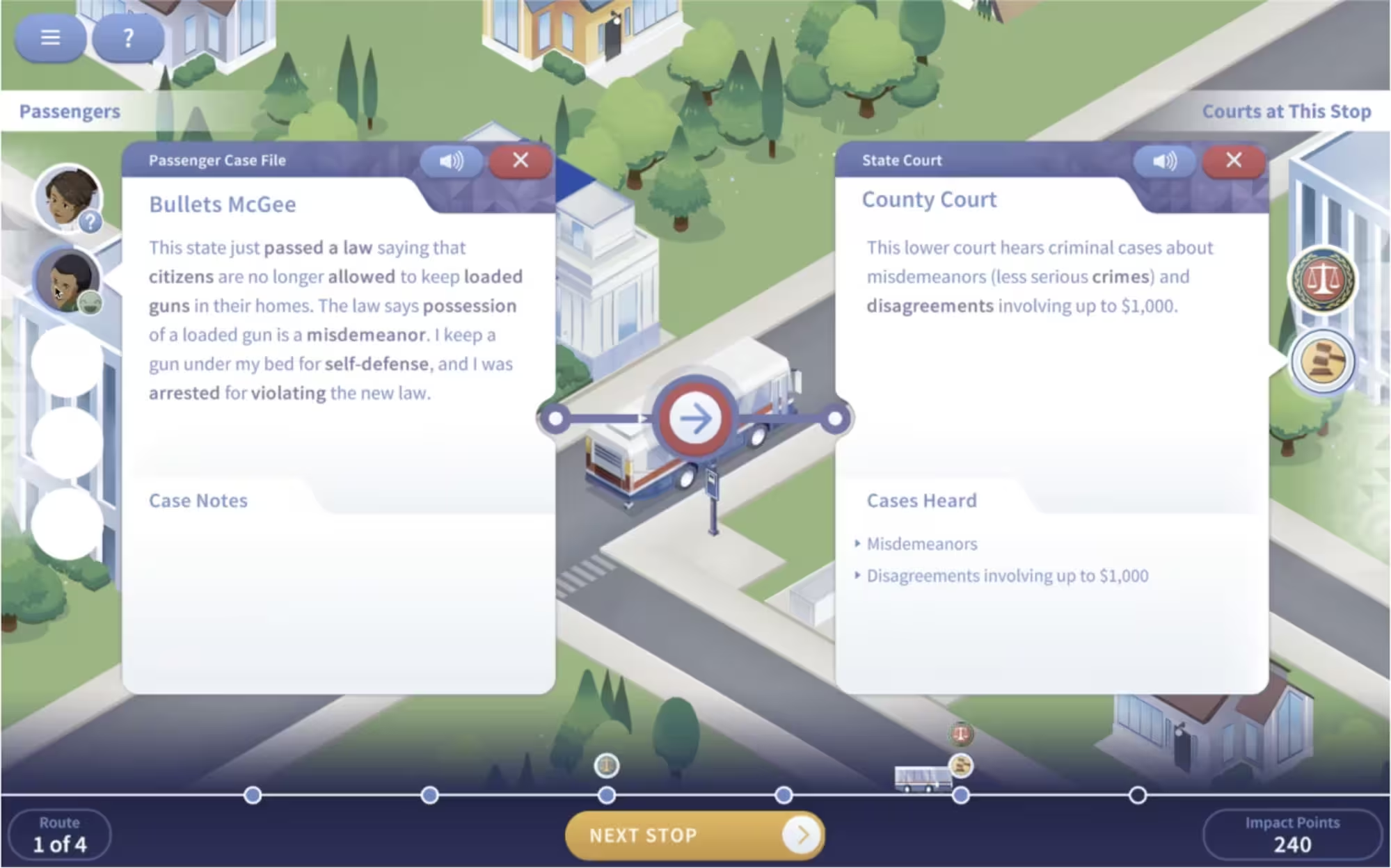
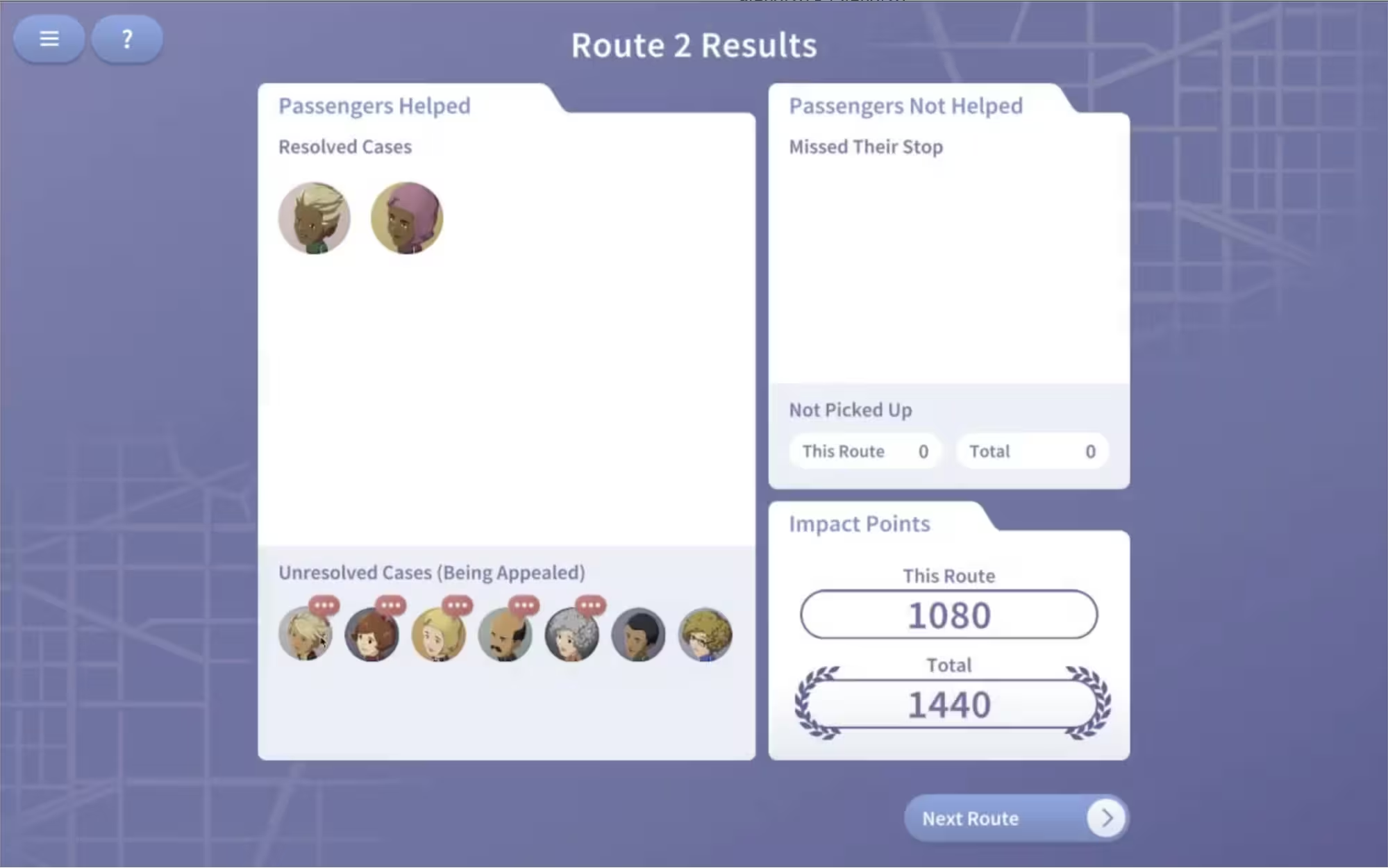
Court Quest is a civics learning game developed with iCivics that introduces students to the structure and function of the U.S. judicial system. Players guide passengers with legal cases through state and federal courts, determining which court is appropriate based on the details of each case. This simulation requires players to analyze legal scenarios to understand the jurisdictional boundaries and procedural paths within the American court hierarchy.
Judicial Jurisdiction, State vs. Federal Courts, Legal Case Analysis, Court Hierarchy


Court Quest is a civics learning game developed with iCivics that introduces students to the structure and function of the U.S. judicial system. Players guide passengers with legal cases through state and federal courts, determining which court is appropriate based on the details of each case. This simulation requires players to analyze legal scenarios to understand the jurisdictional boundaries and procedural paths within the American court hierarchy.
Local Government, Public Resource Management, Budgeting & Taxation, Community Services


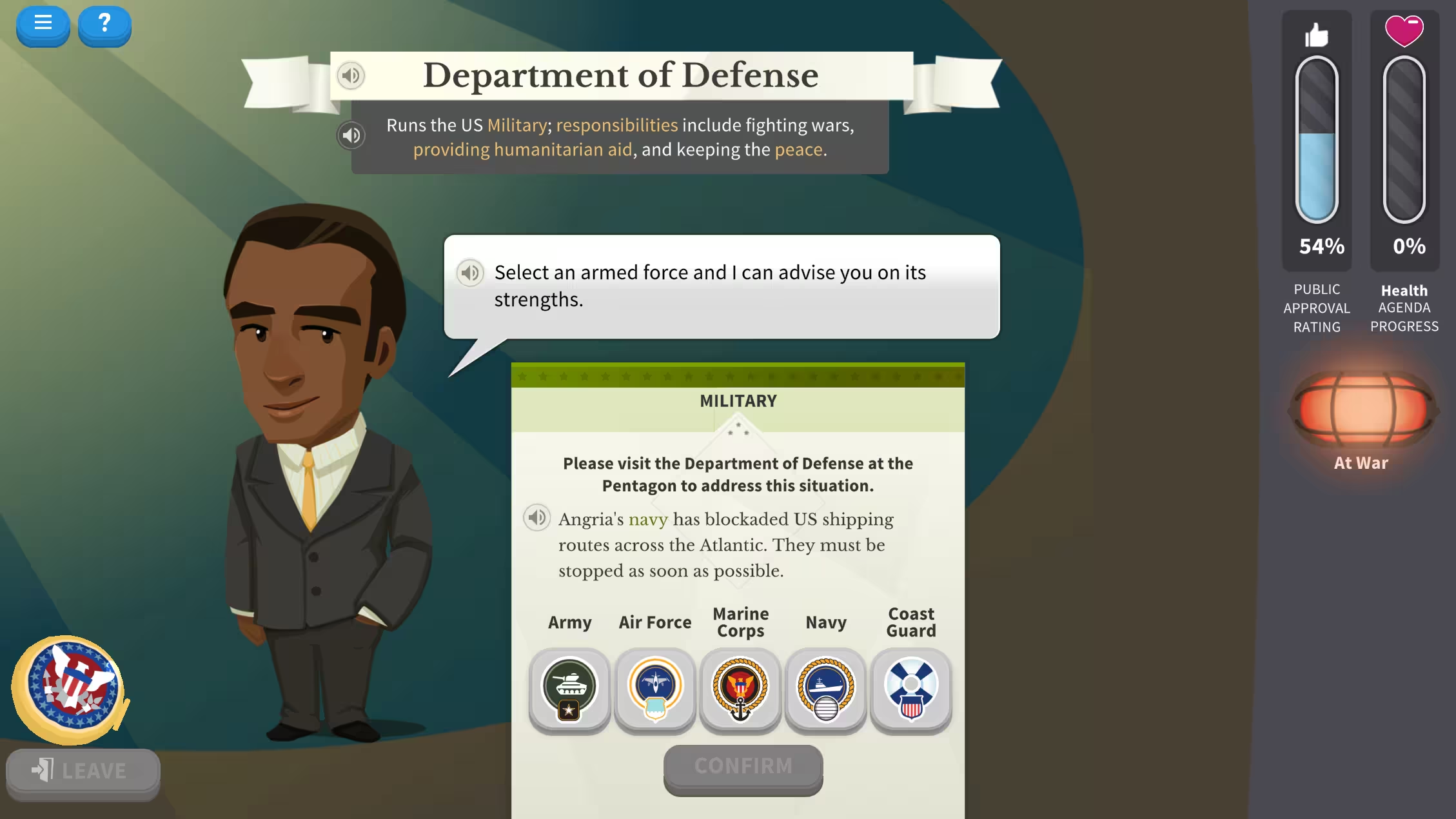
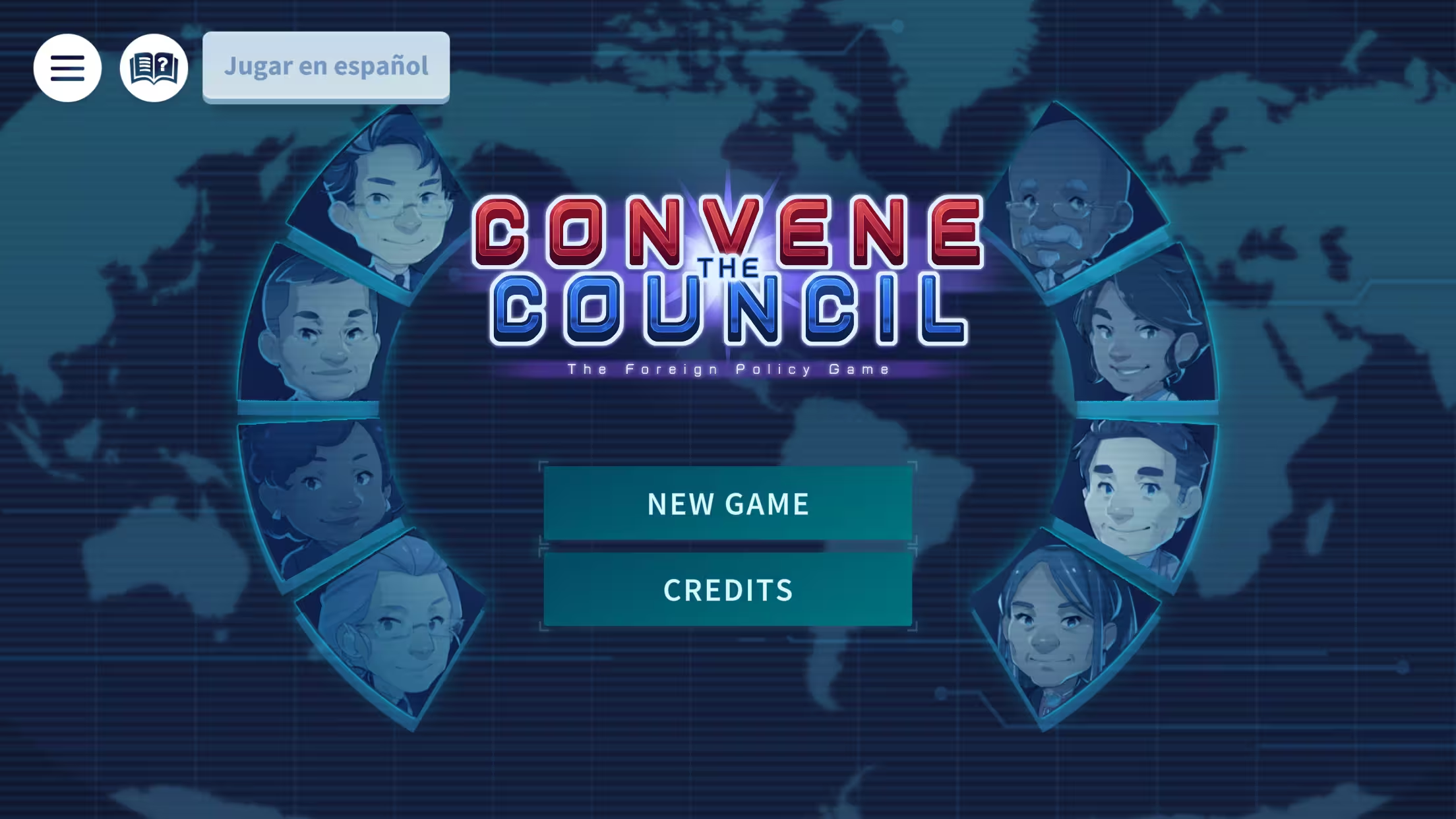
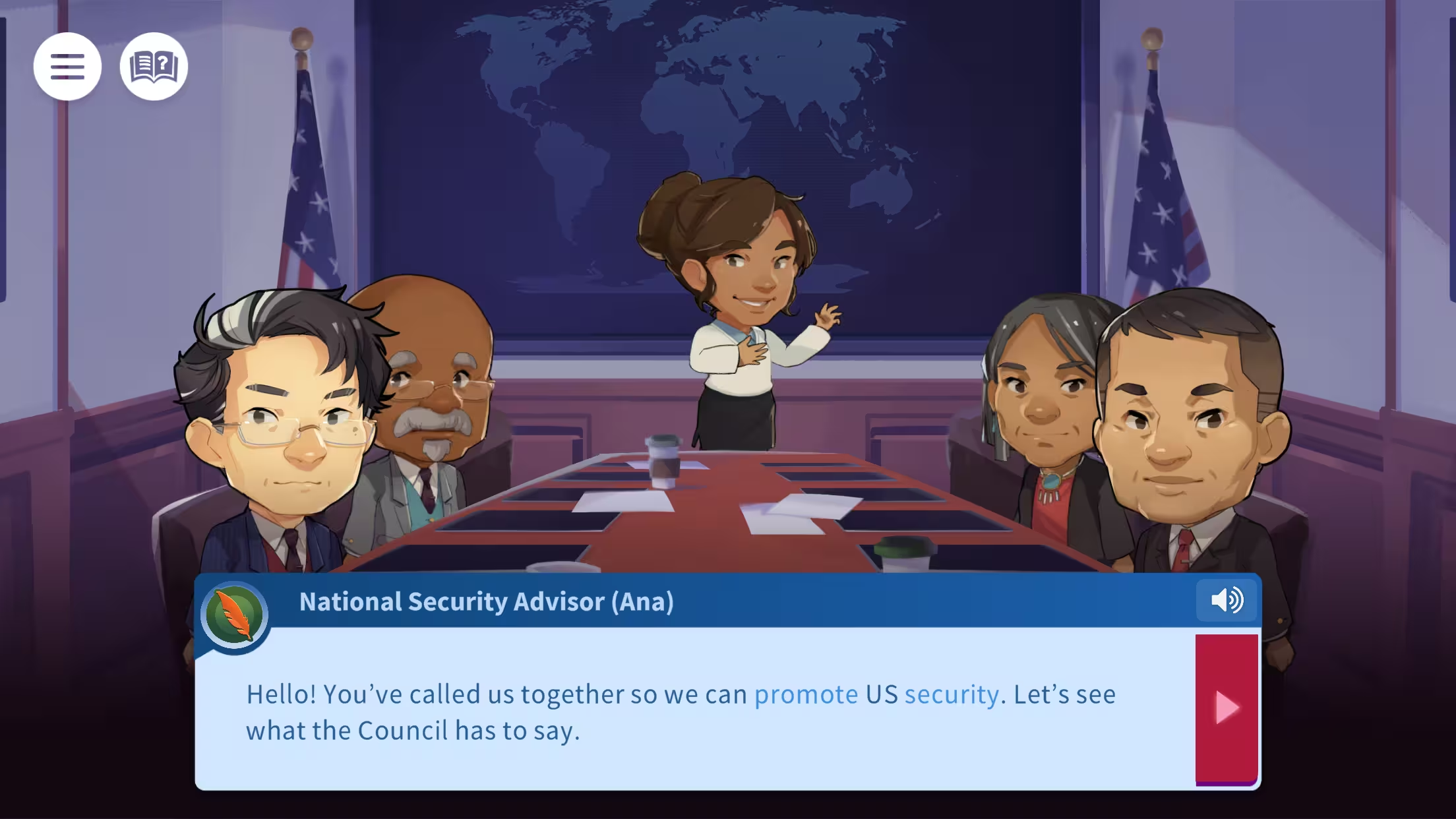
Convene the Council is a civics learning game developed with iCivics in partnership with the Council on Foreign Relations that focuses on U.S. foreign policy decision-making. Players respond to international crises by consulting members of the National Security Council and weighing the pros and cons of strategic actions. This simulation requires players to navigate complex global issues and evaluate diplomatic, military, and economic responses to maintain national security and international stability.
Foreign Policy, National Security, International Relations, Strategic Tradeoffs


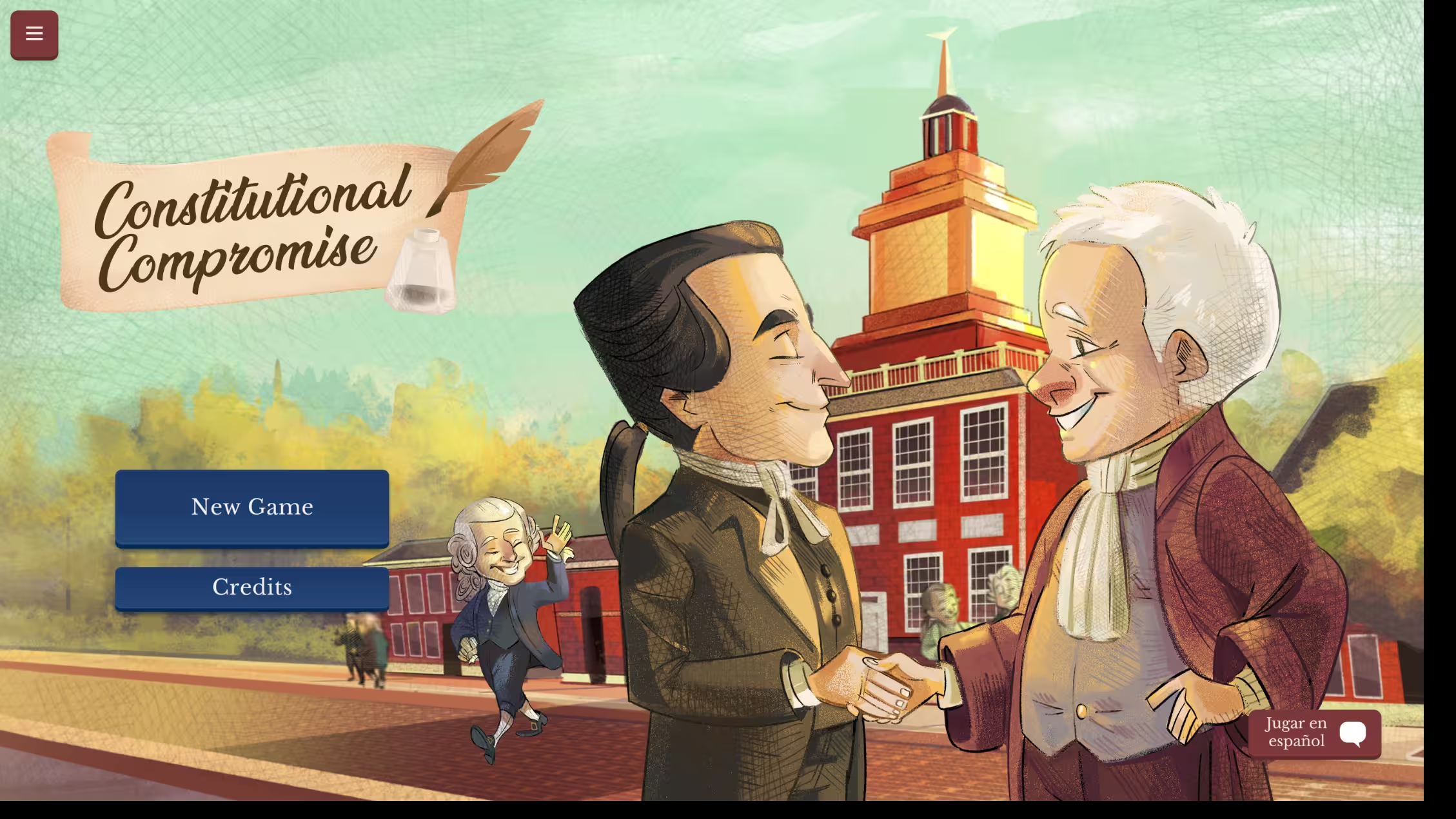
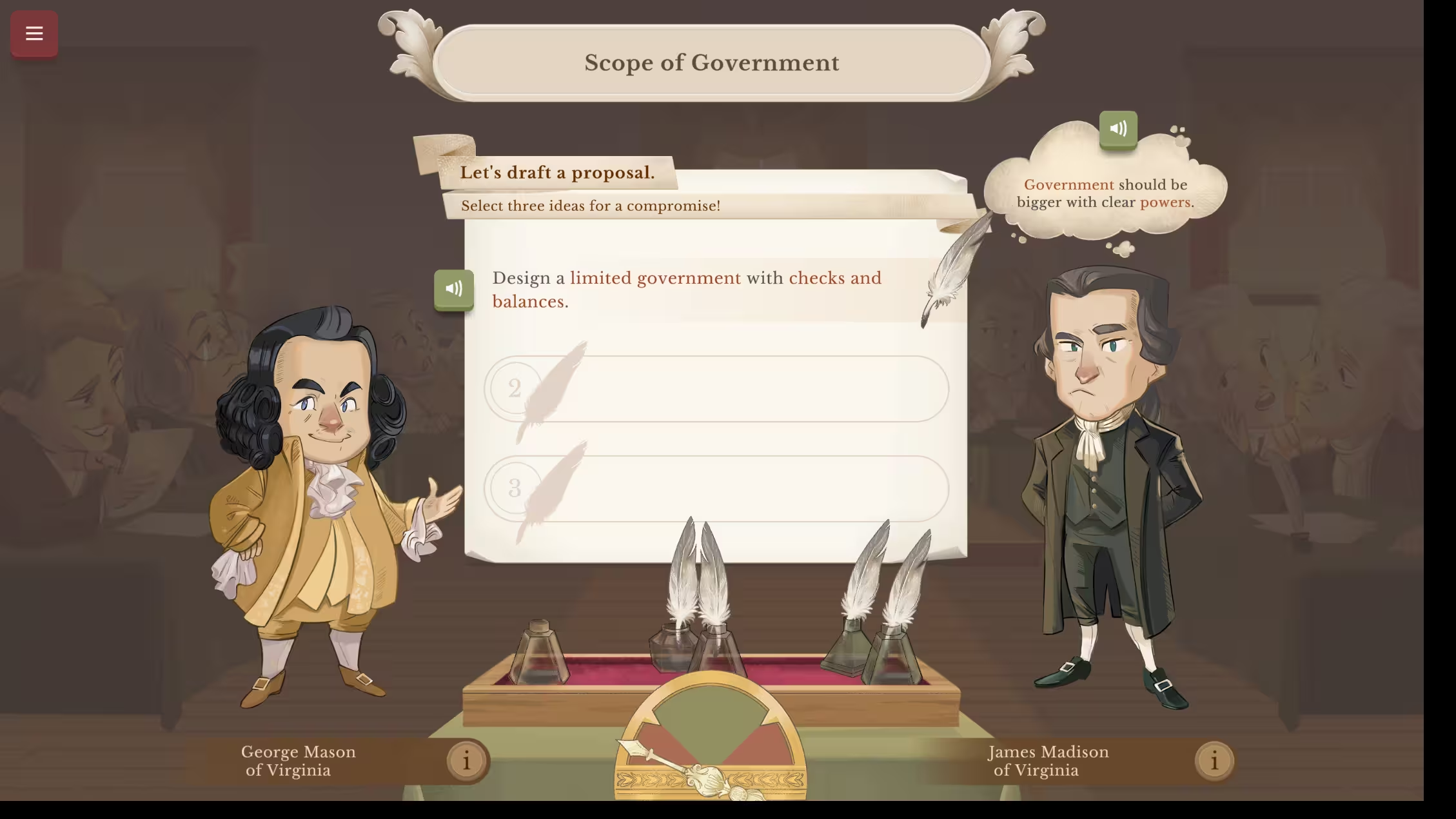
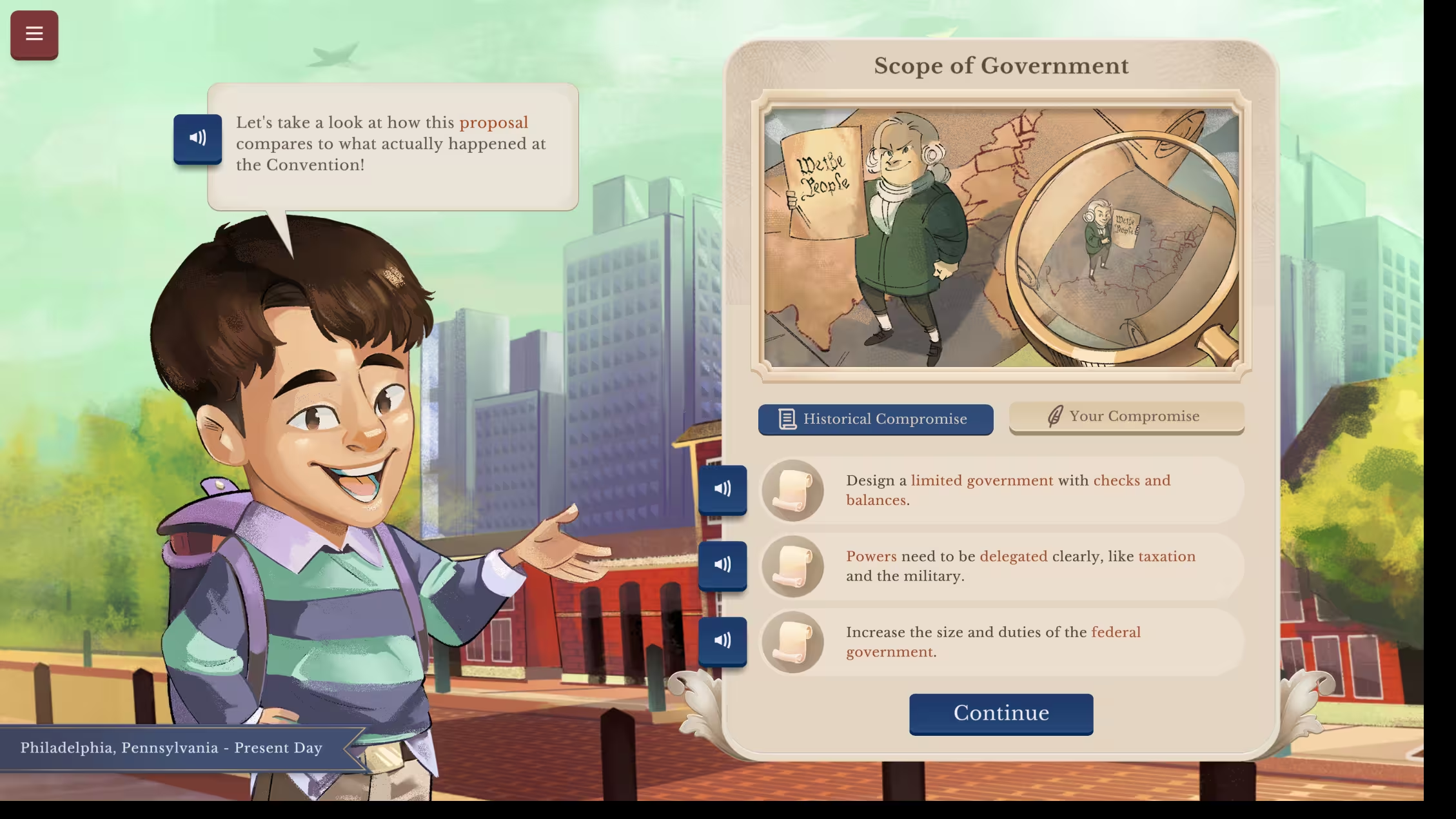
Constitutional Compromise is a history and civics learning game developed with iCivics that places students at the center of the Constitutional Convention of 1787. Players engage with competing viewpoints from delegates, identify points of agreement and conflict, and build compromises while exploring how those decisions shaped the structure of the U.S. government. This interactive simulation requires players to navigate the intense political debates and collaborative negotiations that defined the creation of the United States Constitution.
Negotiation & Compromise, Constitutional History, Political Conflict, Federalism


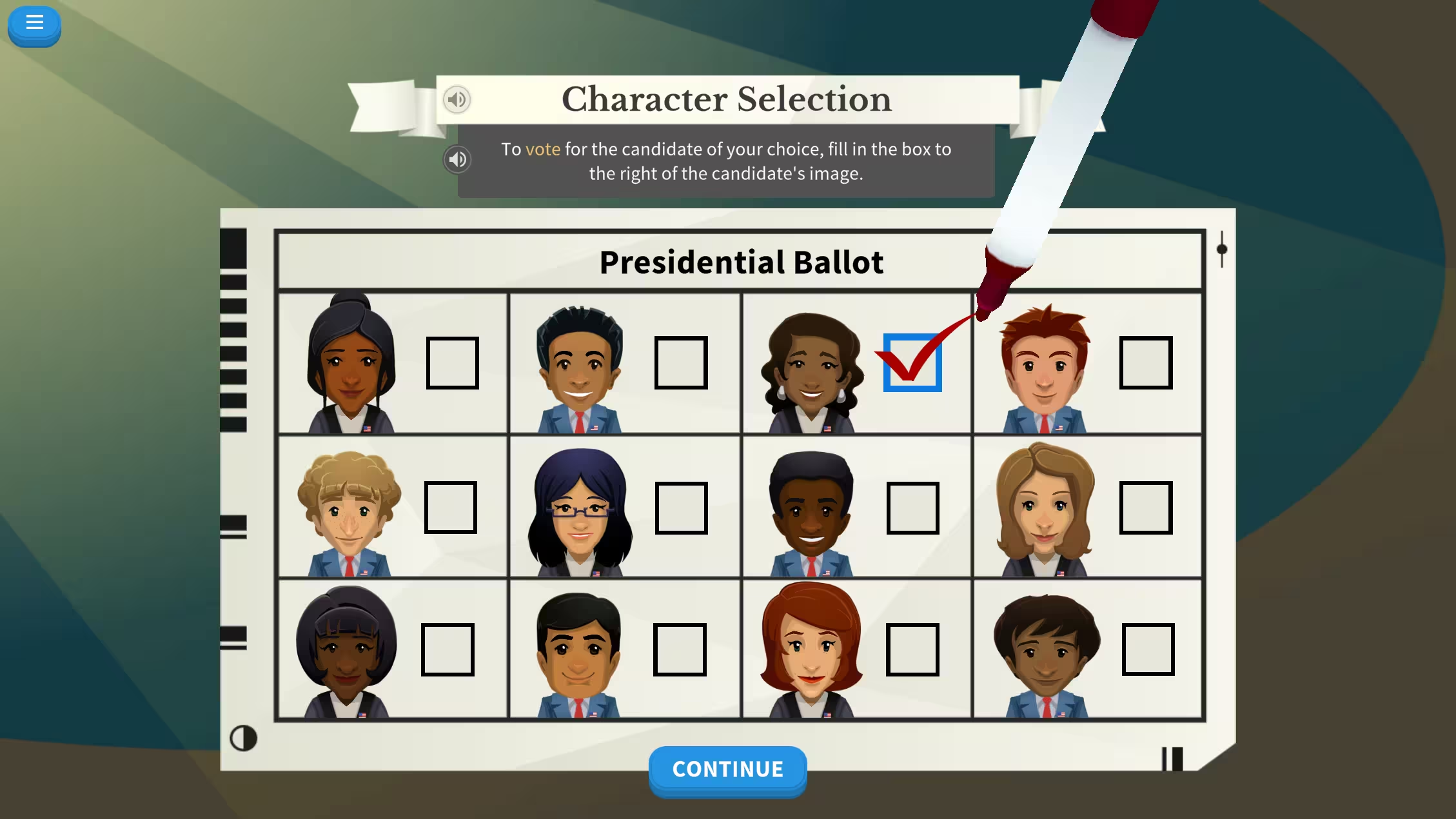
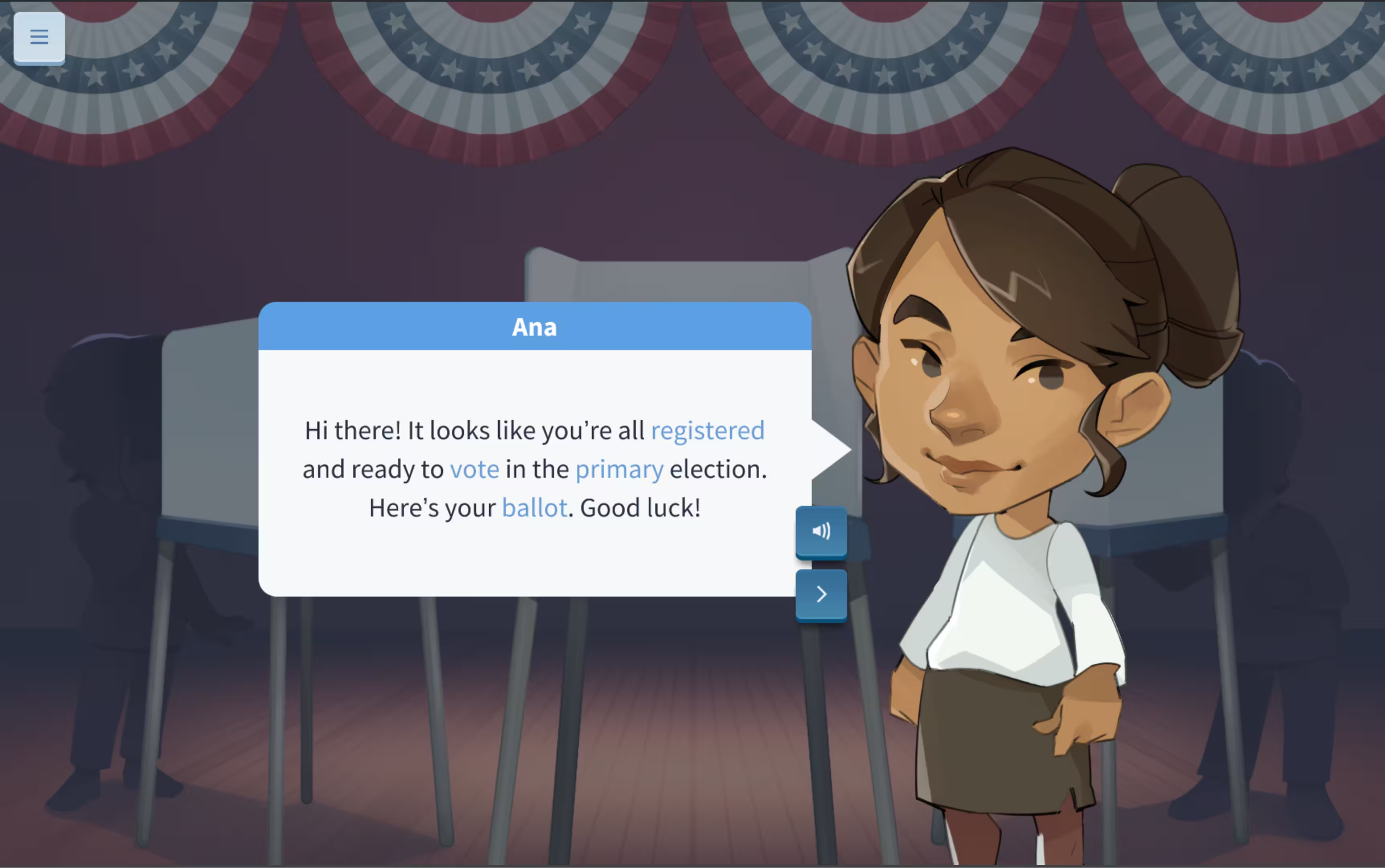
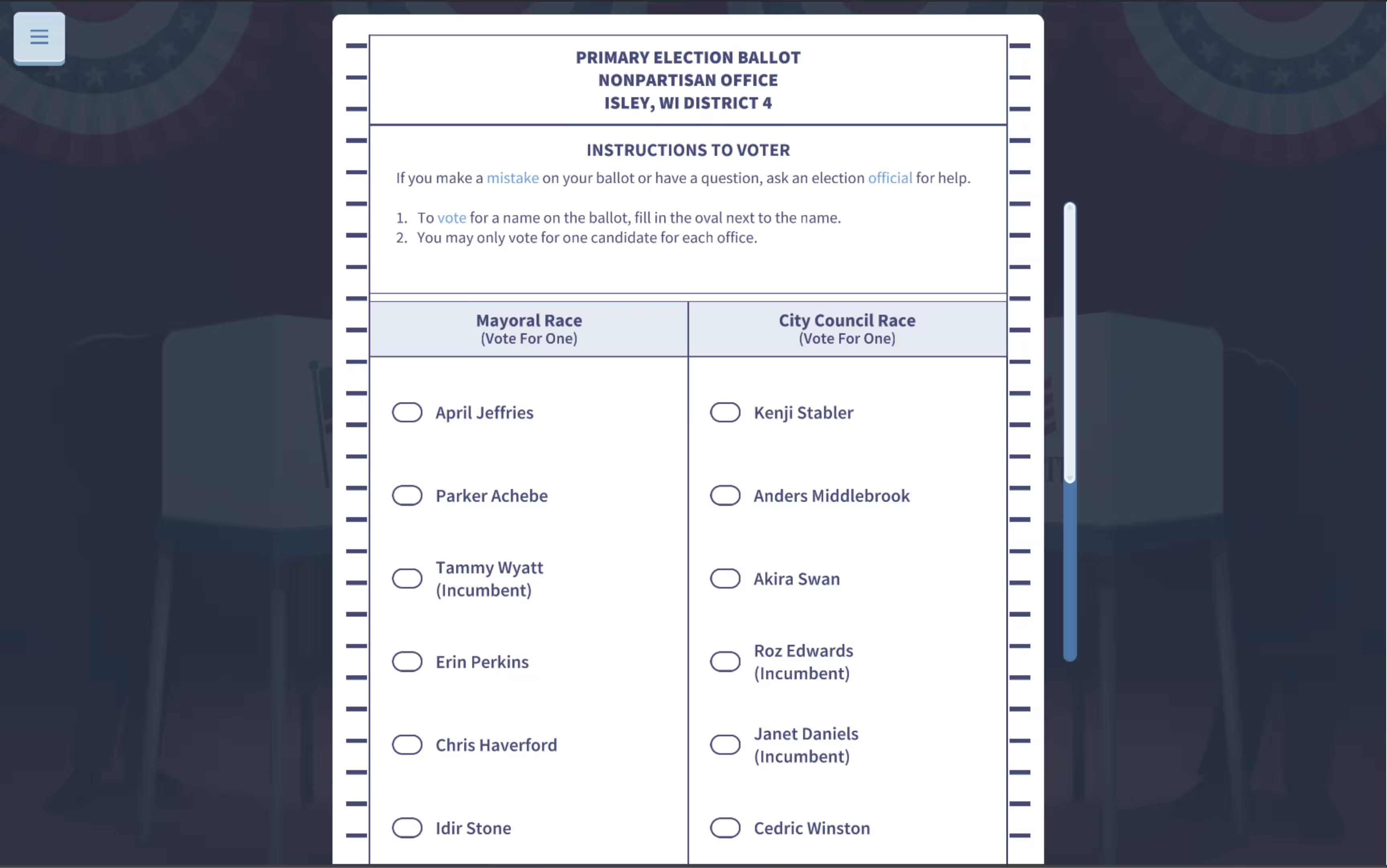
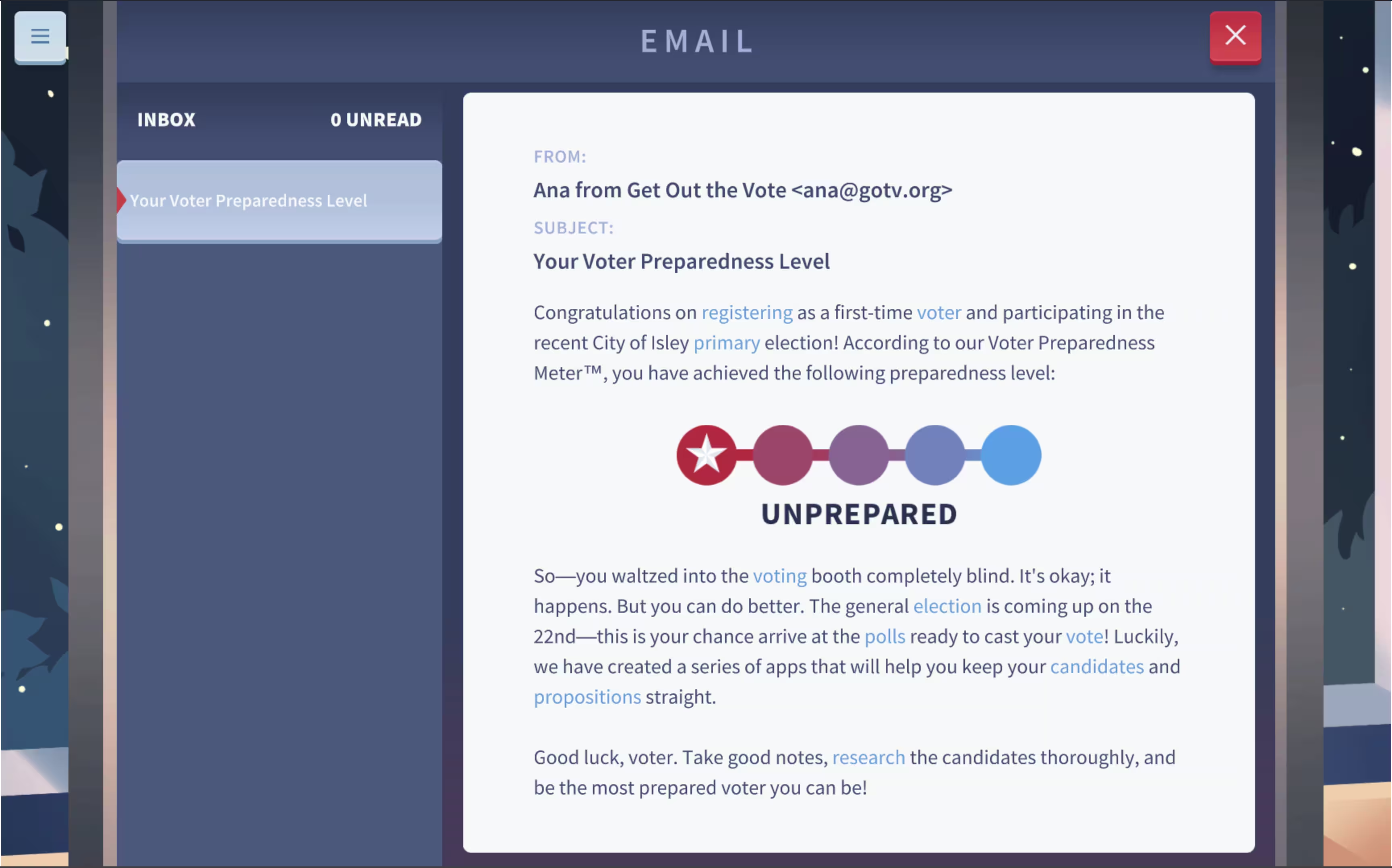
Cast Your Vote is a civics learning game developed with iCivics that teaches what it means to be an informed voter. Players explore issues, evaluate candidates through debates and media sources, and collect information to make reasoned voting decisions. This simulation requires players to analyze campaign platforms and media messaging to understand the process of making informed choices in a democratic election.
Informed Voting, Media Analysis, Candidate Evaluation, Civic Participation


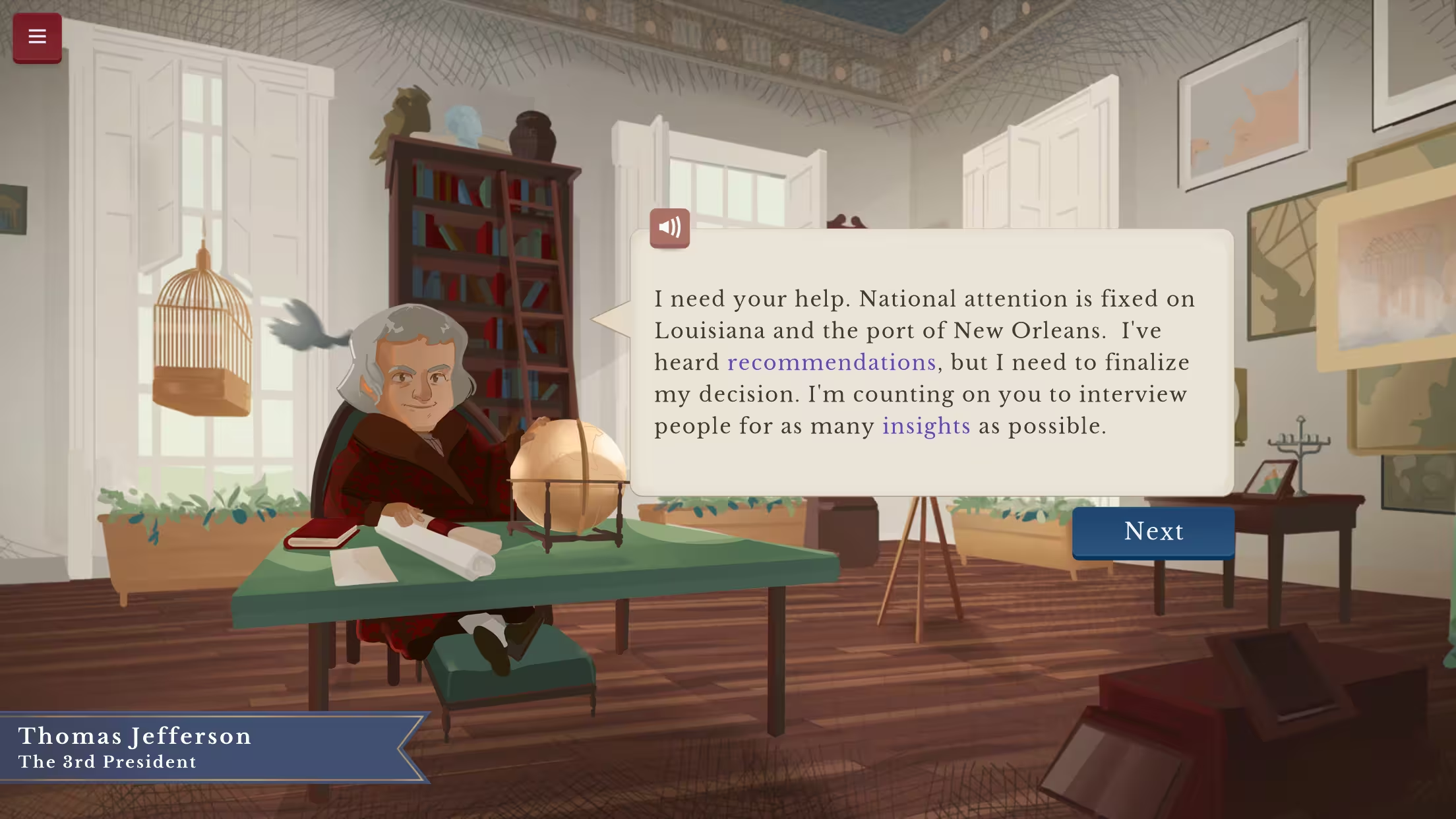
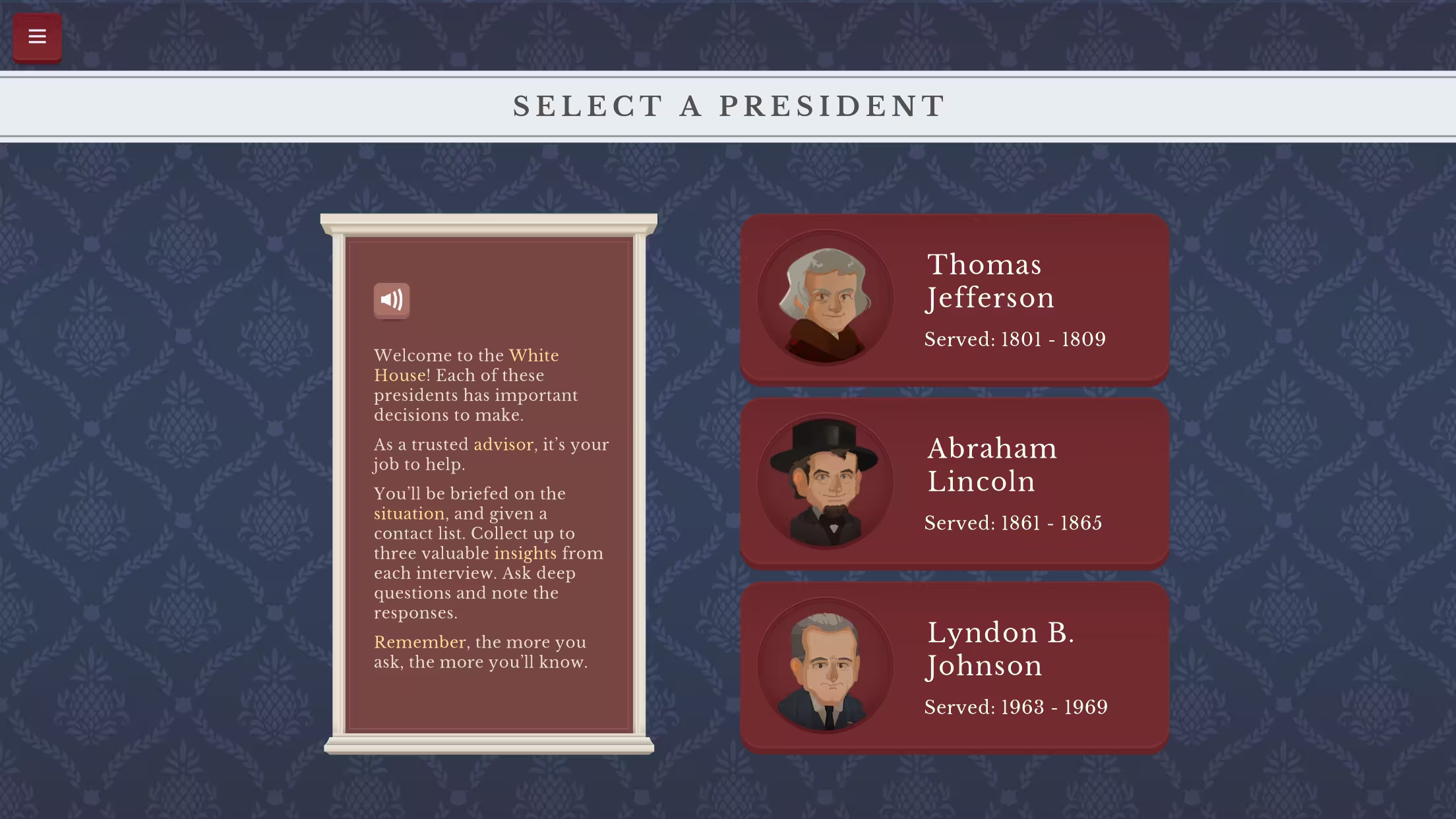
Brief the Chief is a history and civics learning game developed with iCivics that challenges students to advise U.S. presidents through major historical events. Players consult with figures in and around the White House and use evidence-based reasoning to deliver presidential briefings on decisions faced by Presidents Jefferson, Lincoln, and Johnson. This simulation requires players to analyze historical context and weigh conflicting perspectives to provide informed counsel during pivotal moments in American history.
Executive Decision-Making, Historical Context, Evidence-Based Briefing, Presidential History


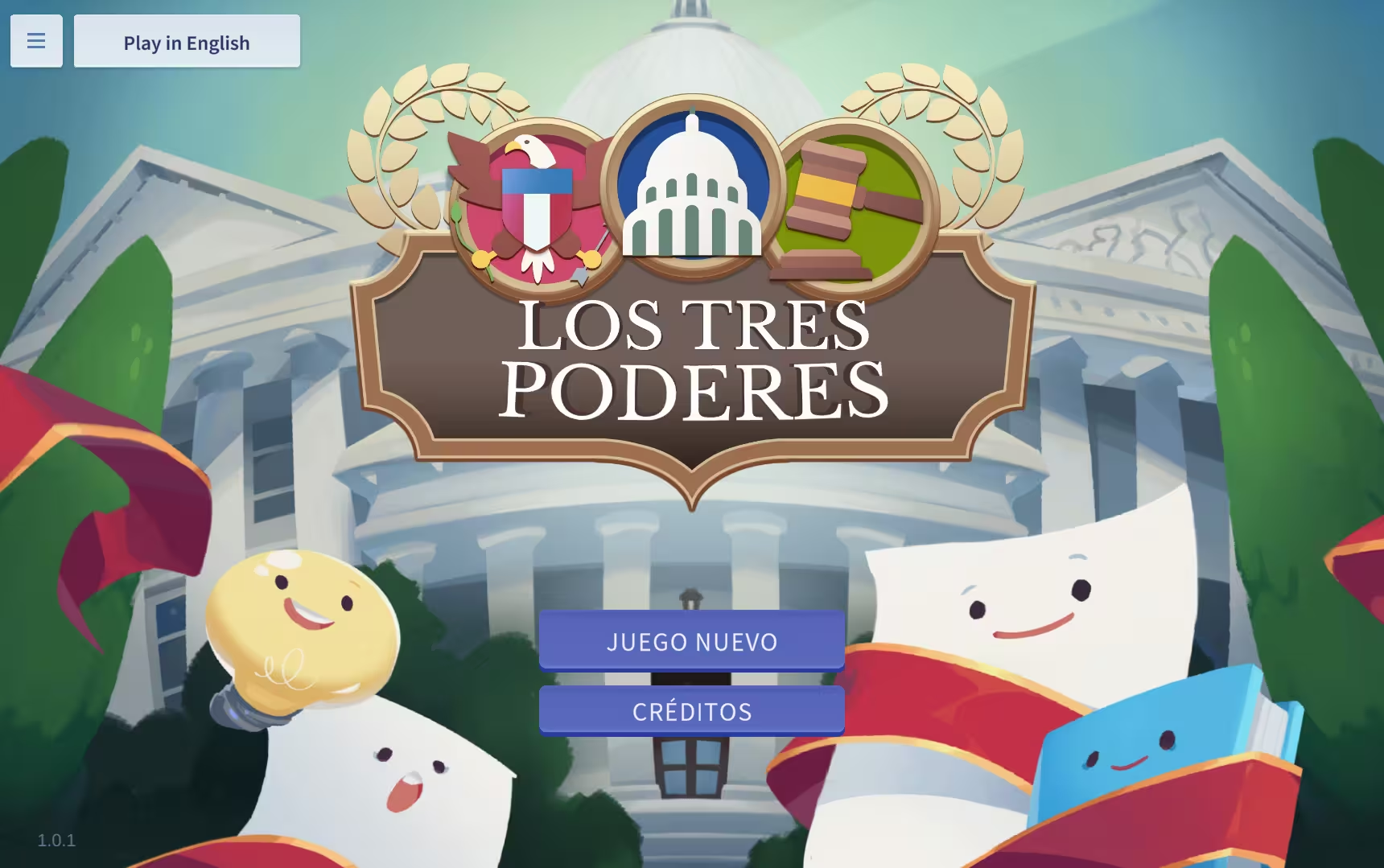
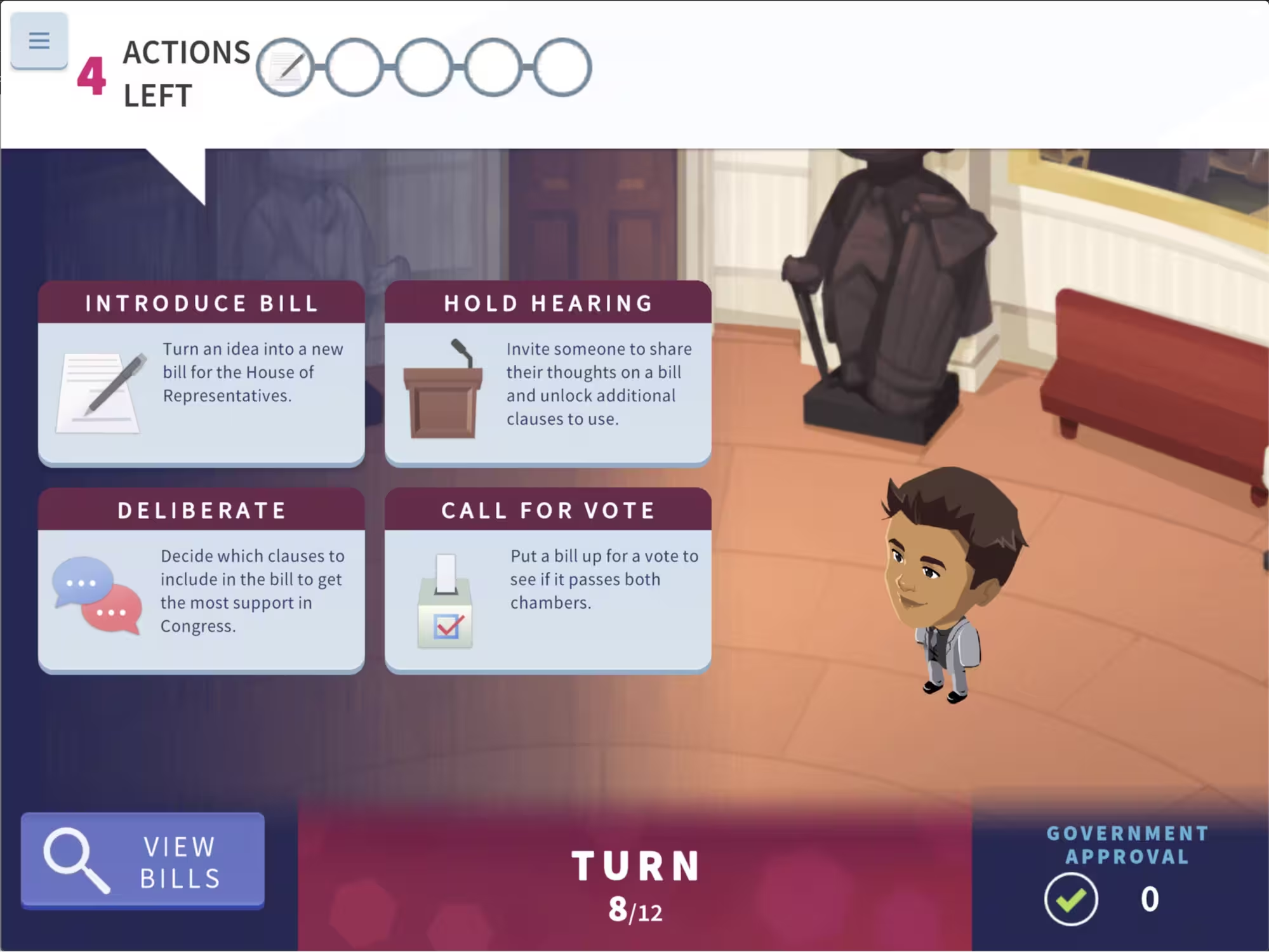
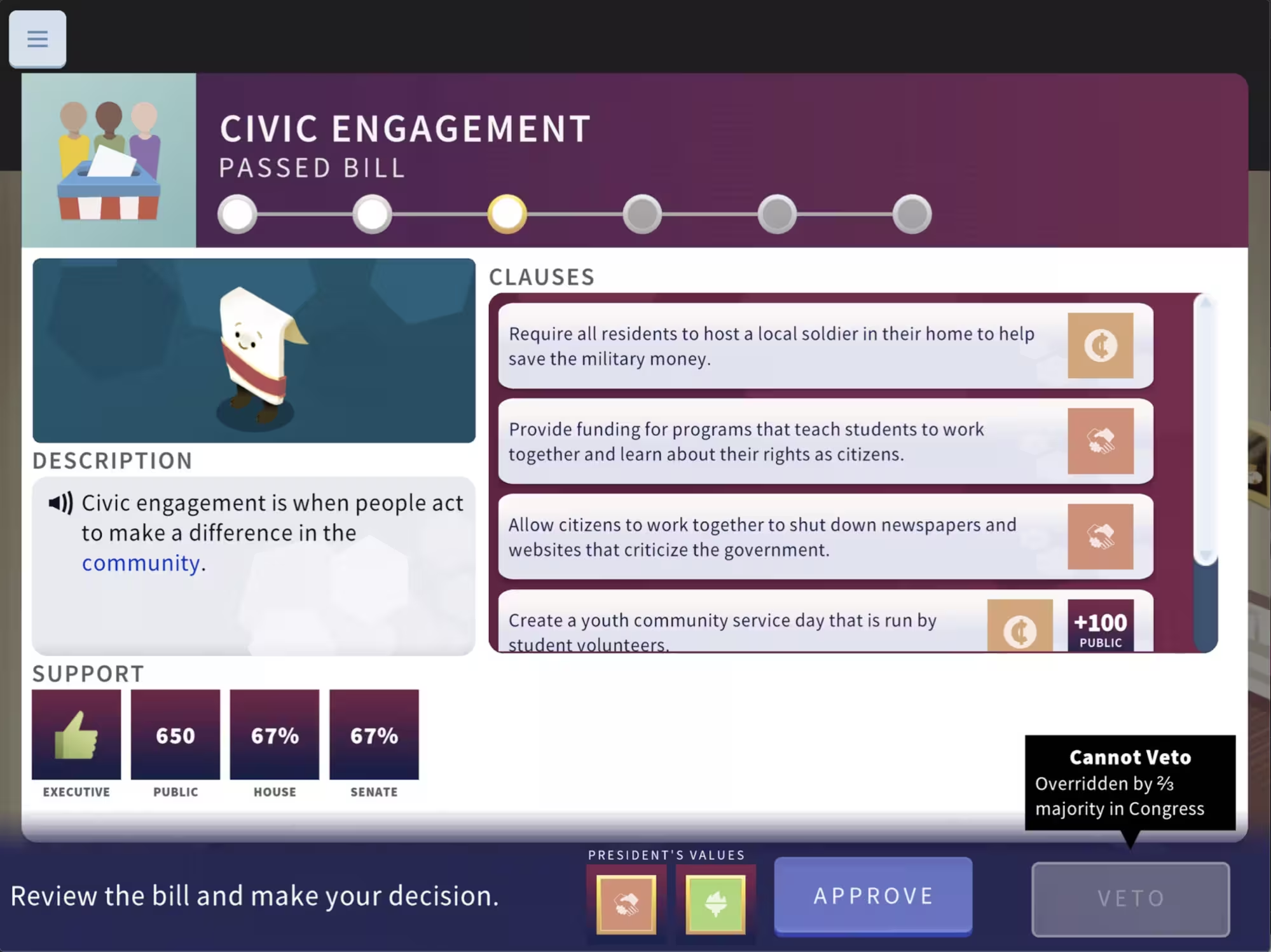
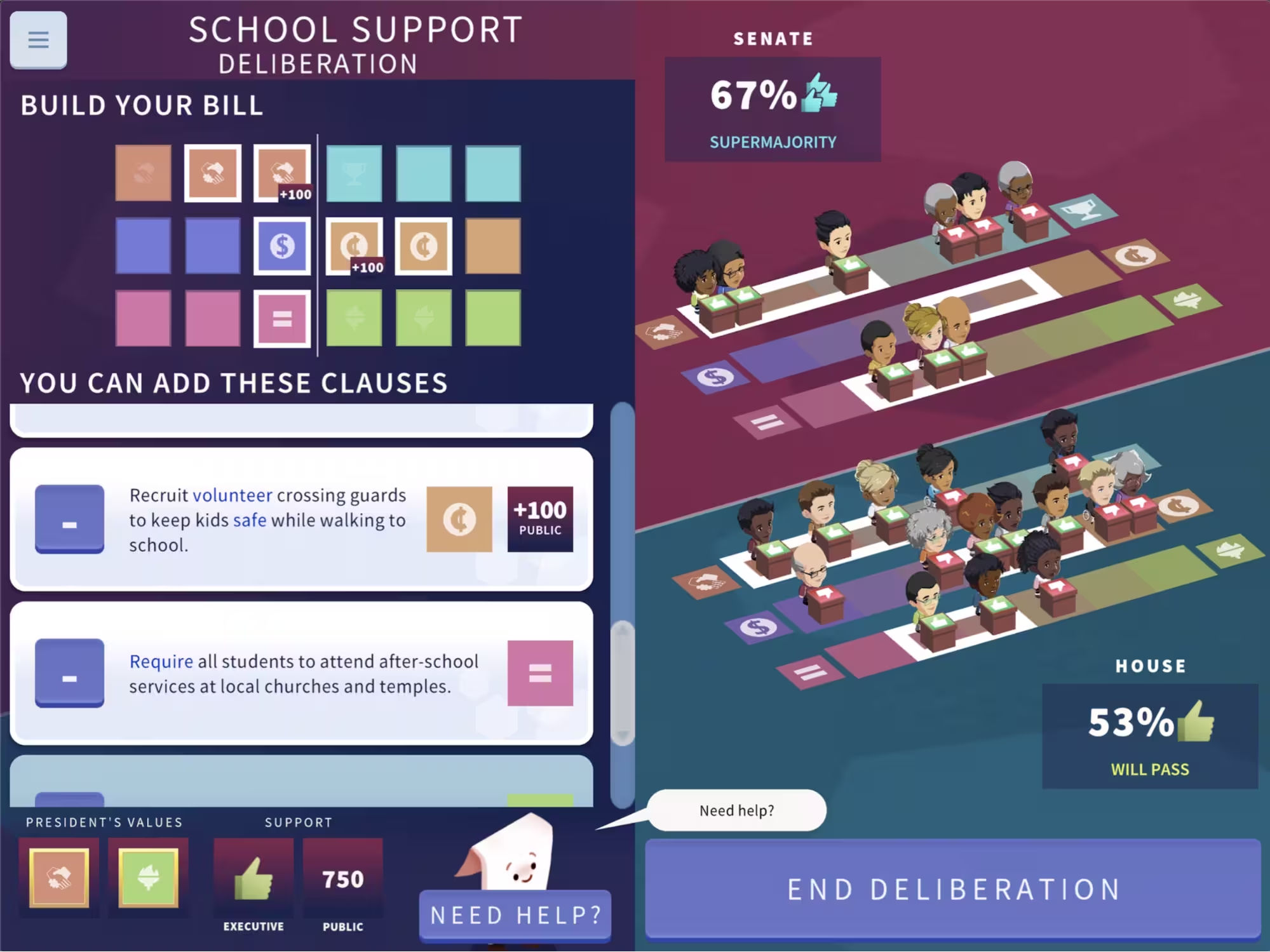
Branches of Power is a civics learning game developed with iCivics that allows players to take control of all three branches of the United States government. Players manage executive, legislative, and judicial responsibilities to understand how laws are created, applied, and reviewed within the federal system. This simulation provides a direct experience of the interactions and distinct functions of the executive, legislative, and judicial branches.
Separation of Powers, Checks & Balances, Legislative Process, Public Policy


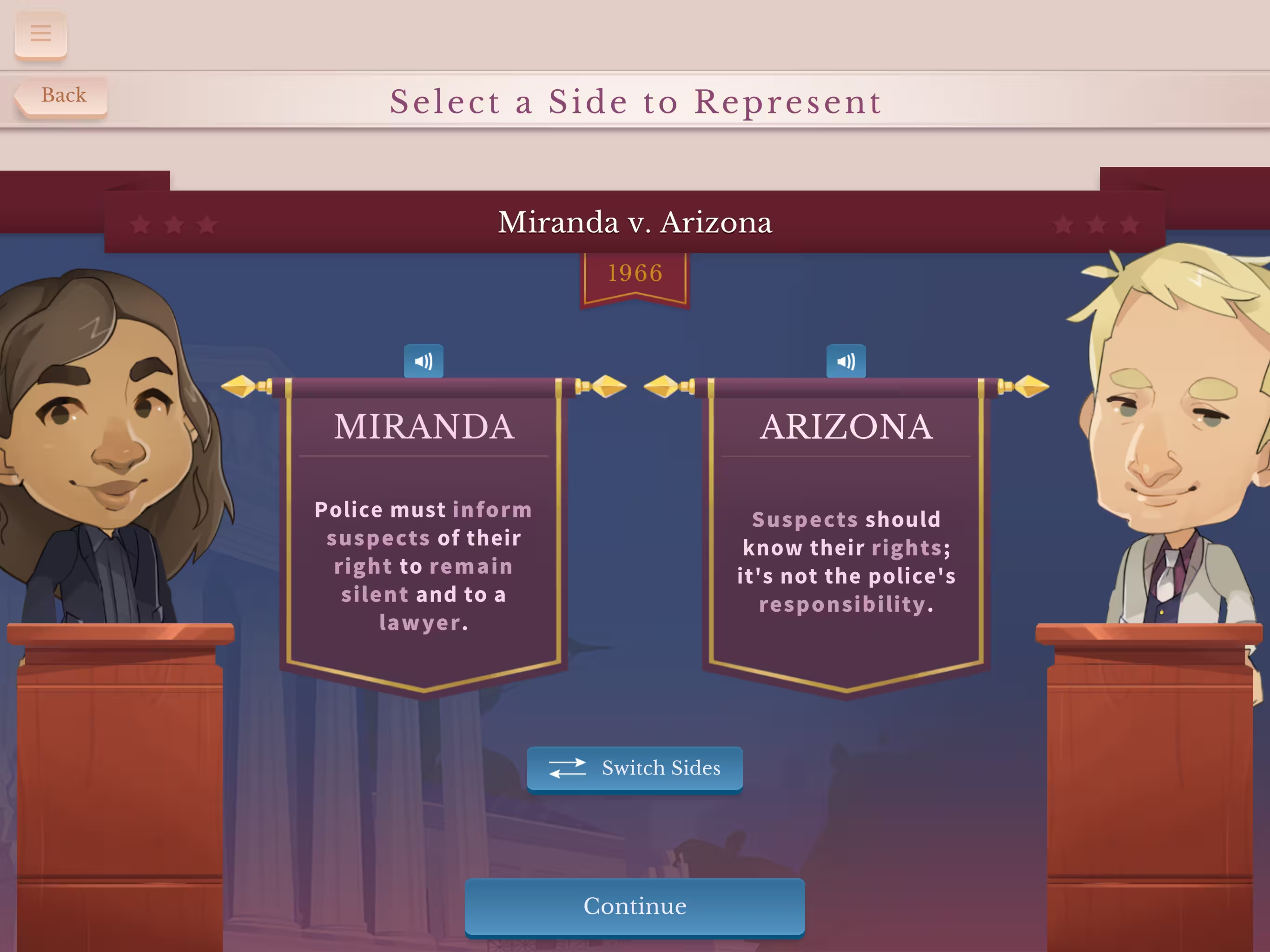
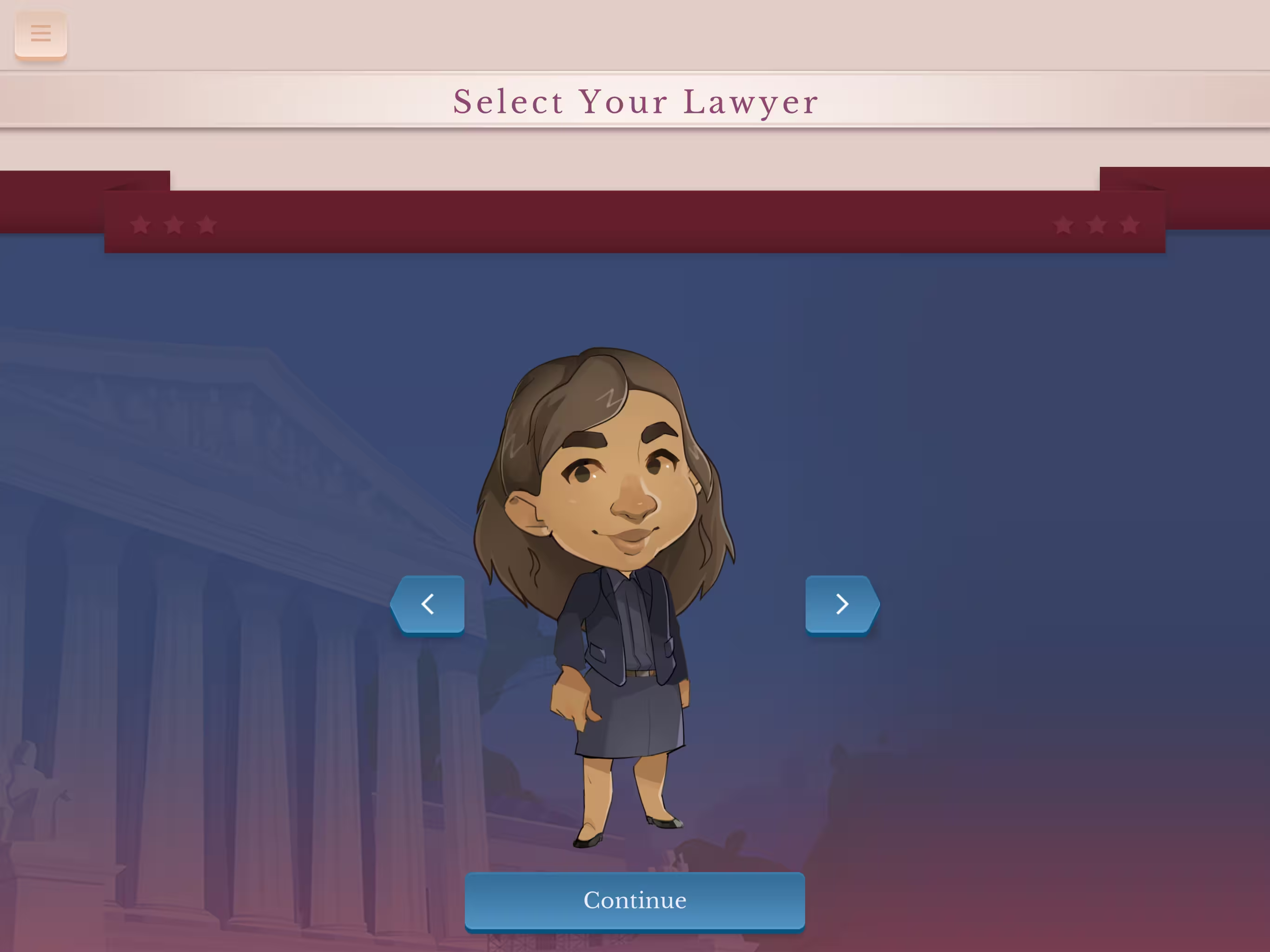
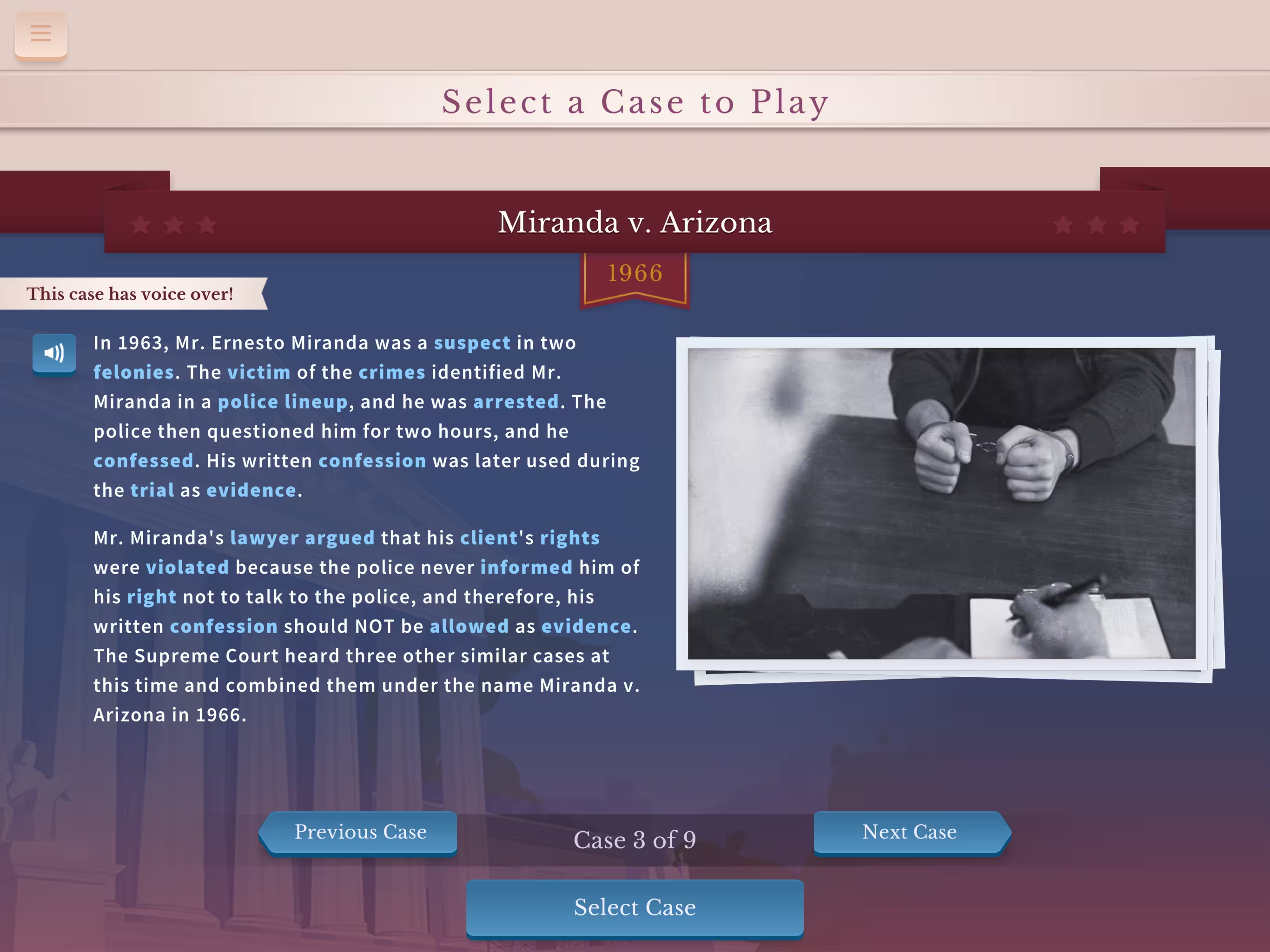
Argument Wars is a civics learning game developed with iCivics that puts learners in the role of an attorney arguing real Supreme Court cases. Using card-based mechanics, players face off against rival lawyers in landmark decisions. This experience focuses on building persuasive skills while teaching core concepts in constitutional law through legal debate.
Constitutional Law, Persuasive Argumentation, Legal Evidence, Judicial Debate


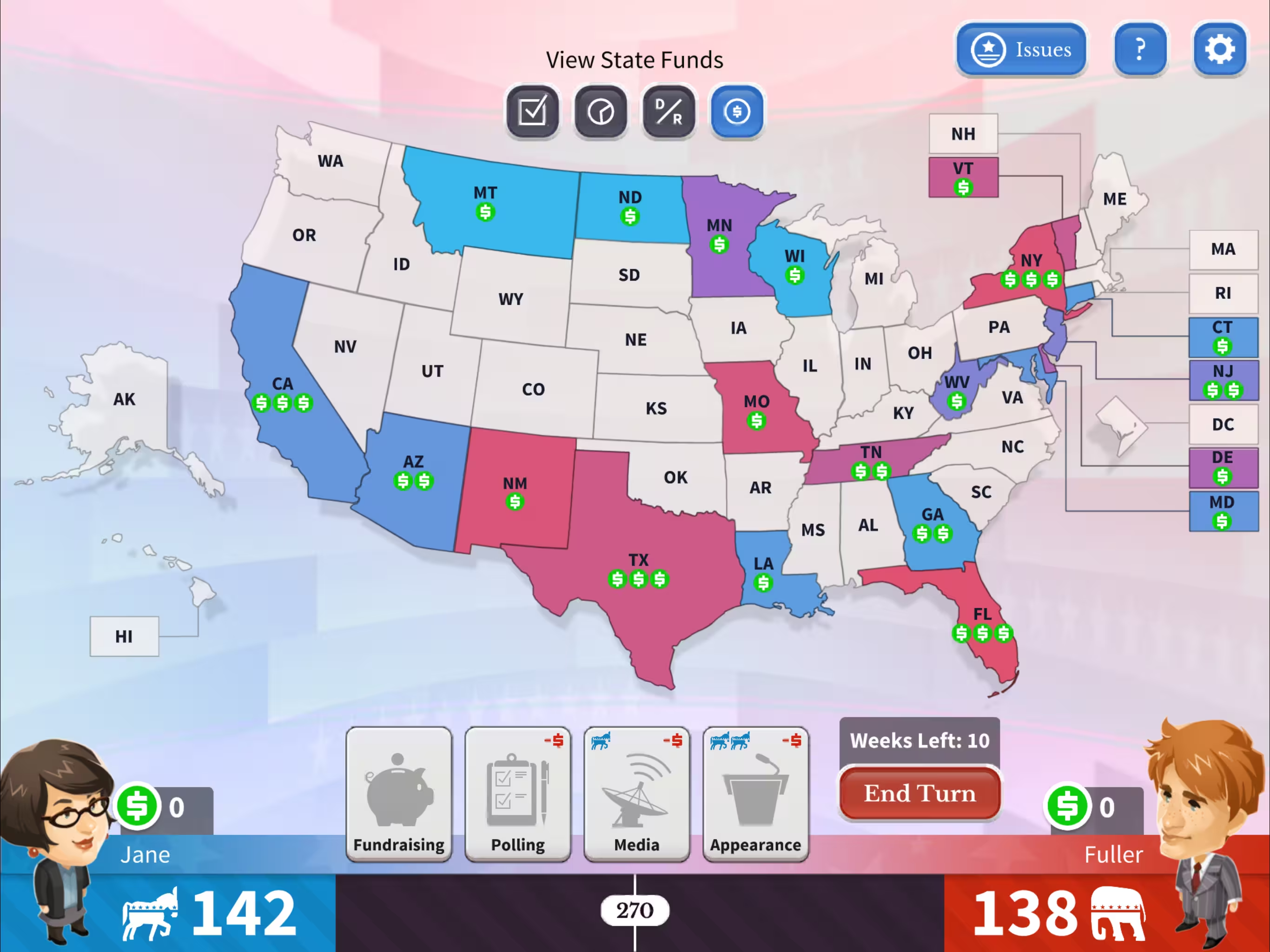
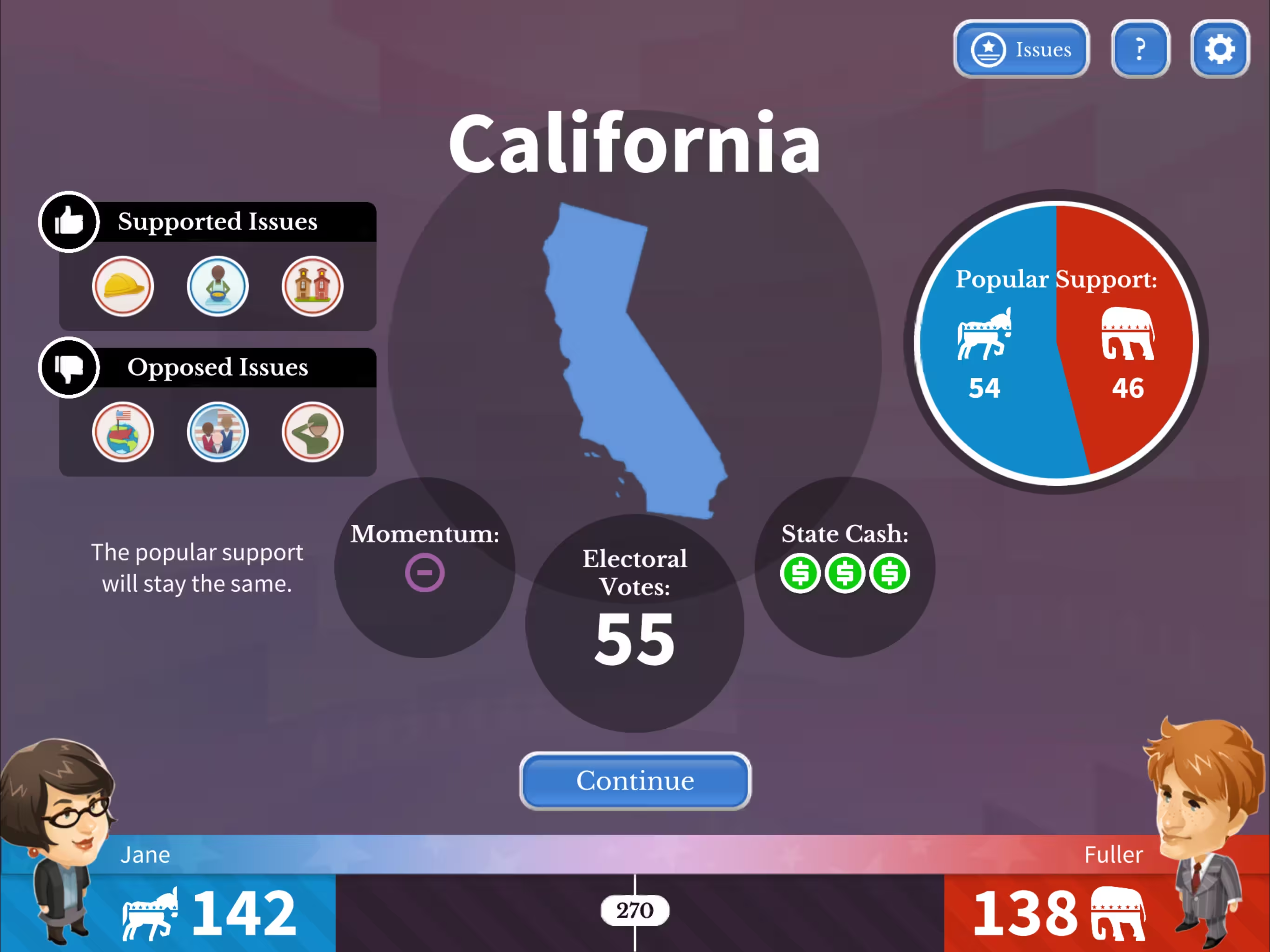
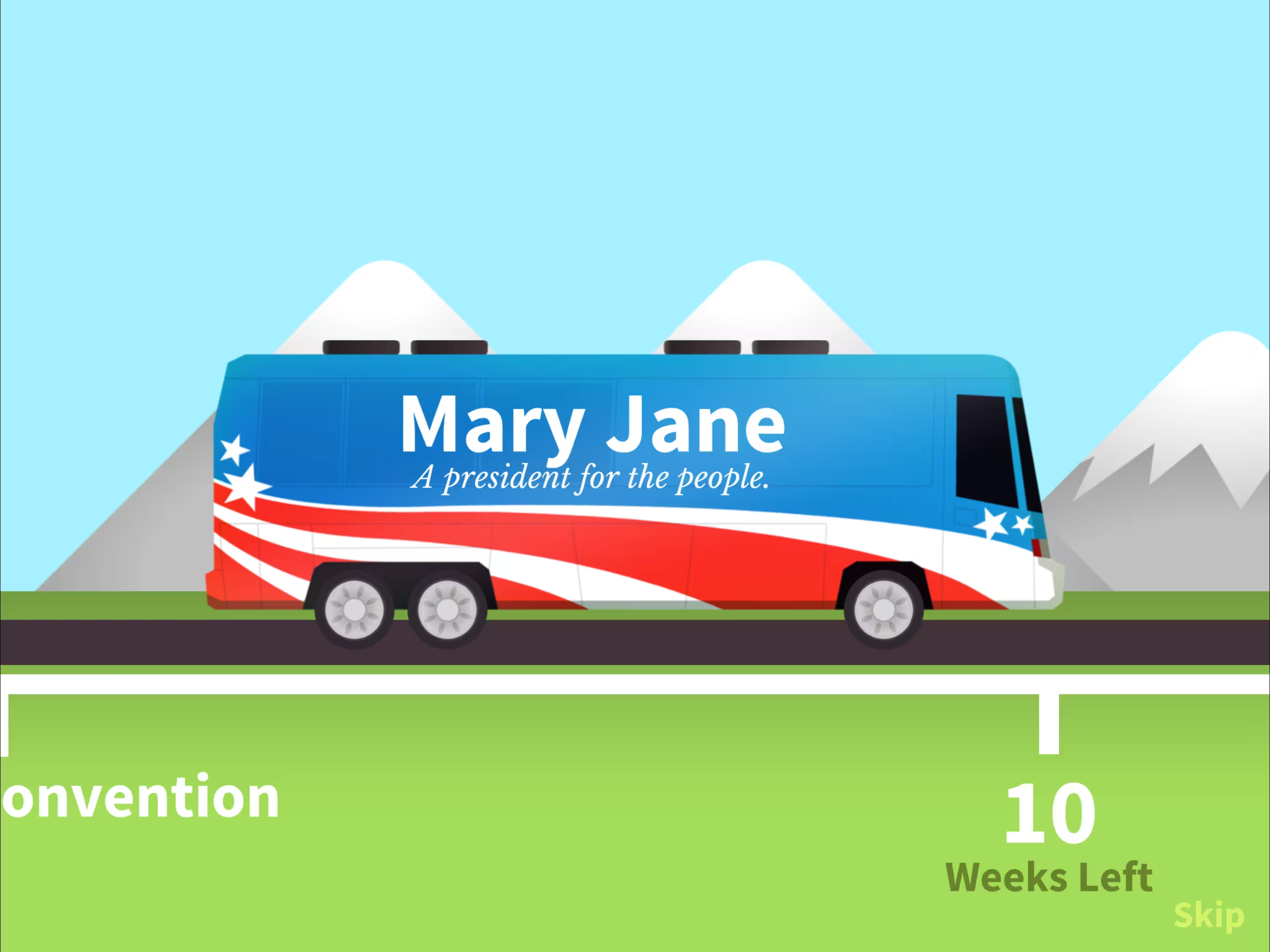
Win the White House is a civics learning game developed with iCivics that challenges players to manage a full U.S. presidential campaign. Players customize a candidate, choose policy positions, and run fundraising, polling, and media outreach efforts. This simulation allows players to navigate the strategic complexities of a national election through interactive campaign management.
Electoral Process, Campaign Strategy, Media Outreach, Voter Demographics


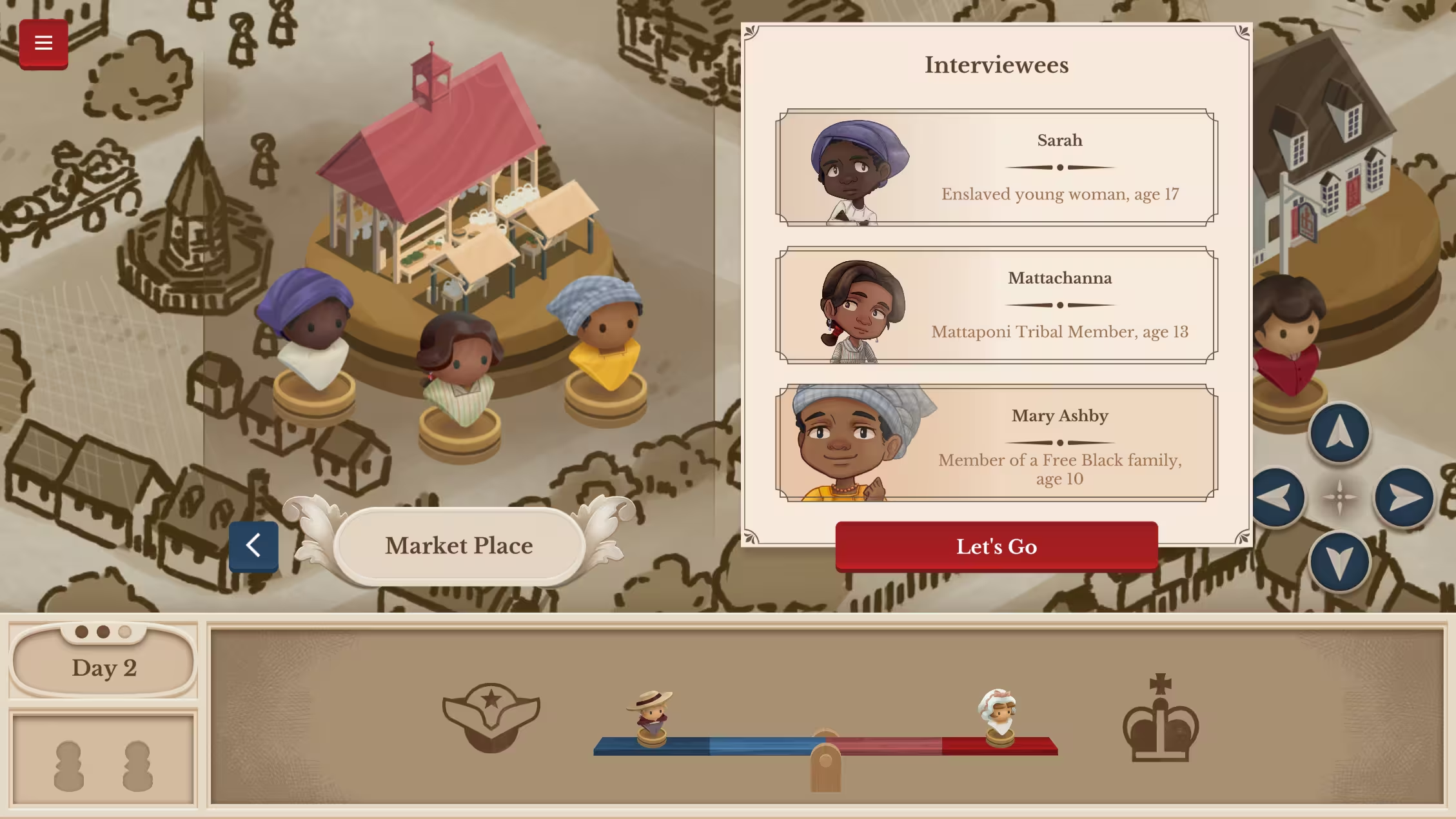
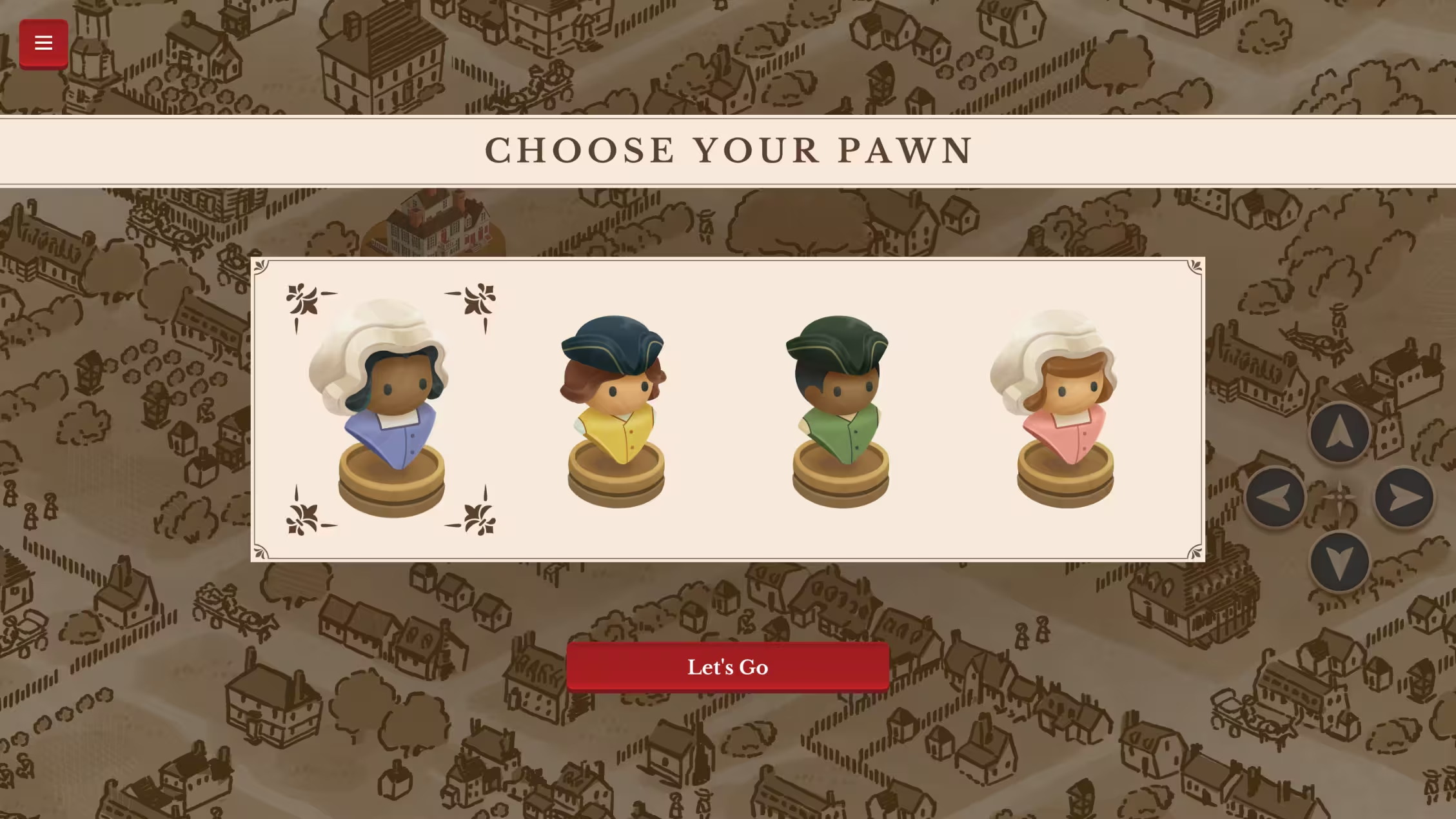
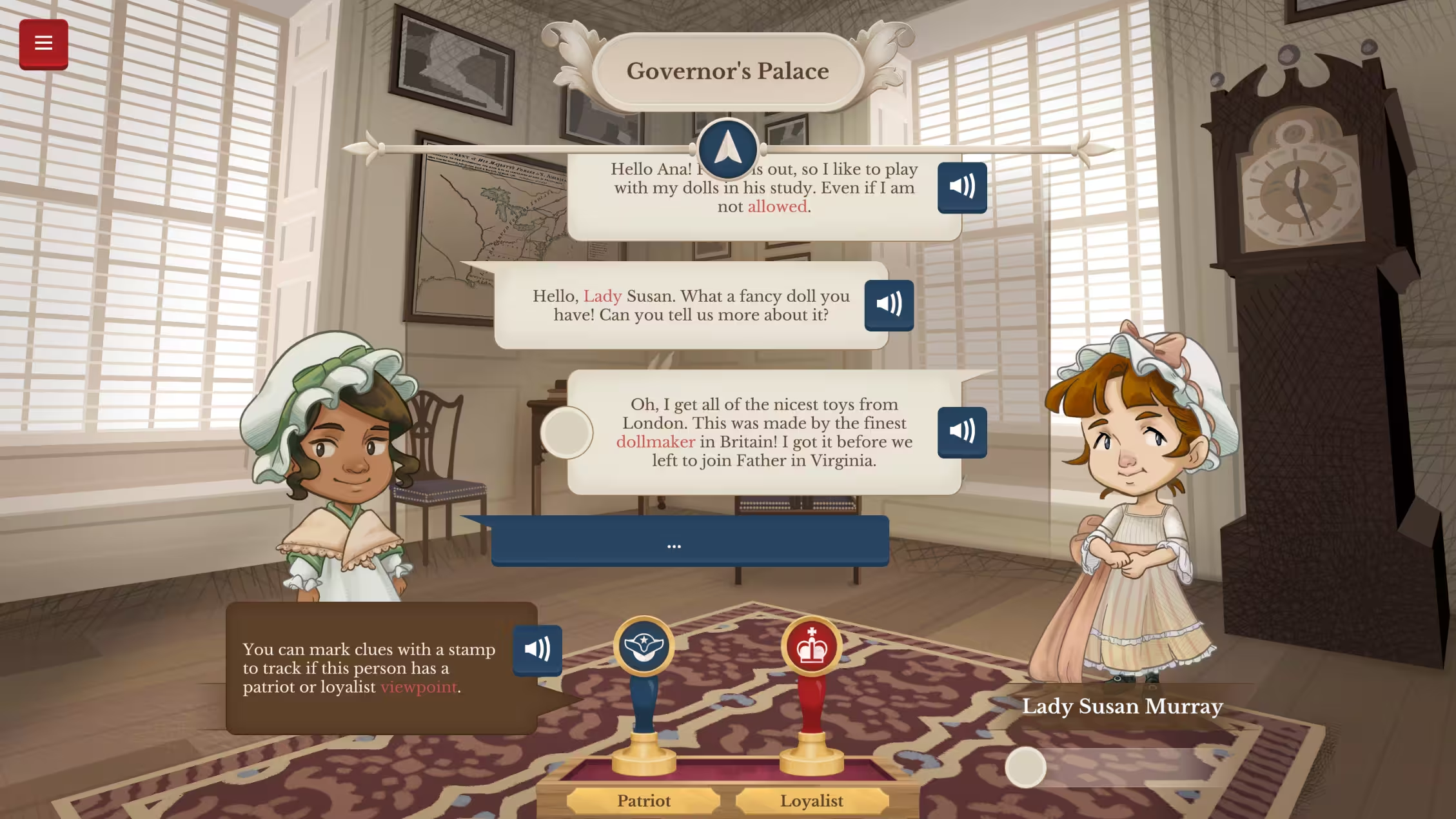
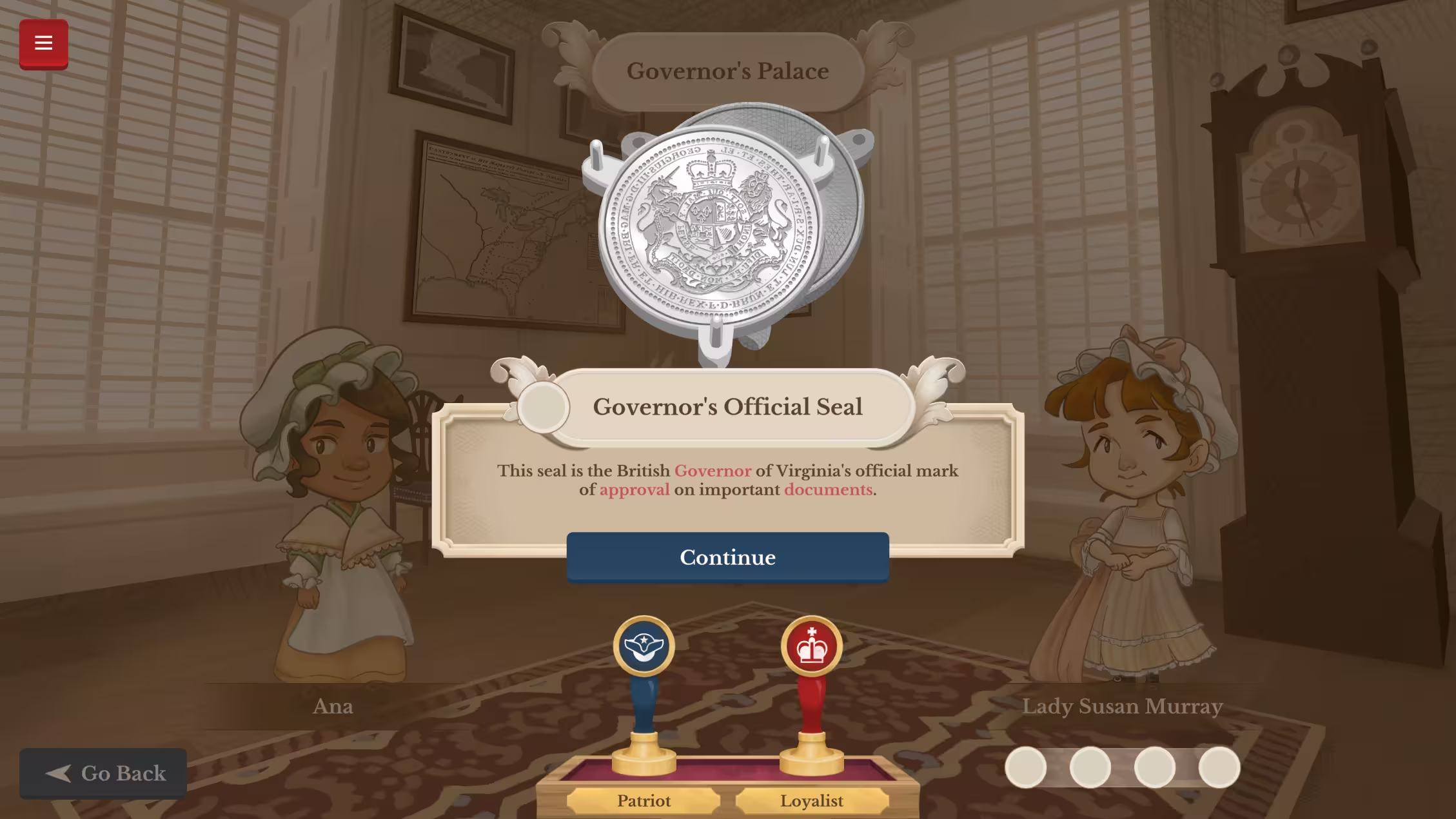
Uncovering Loyalties with Colonial Williamsburg is a history learning experience set in 1774 that places students in pre-revolutionary Virginia. Commissioned by Lord Dunmore, players question townspeople to determine where loyalties lie as tensions around independence rise. This investigative gameplay requires players to navigate the shifting political landscape of the colonies to uncover the perspectives of local residents.
Historical Perspective-Taking, Inquiry-Based Learning, Colonial History, Political Bias


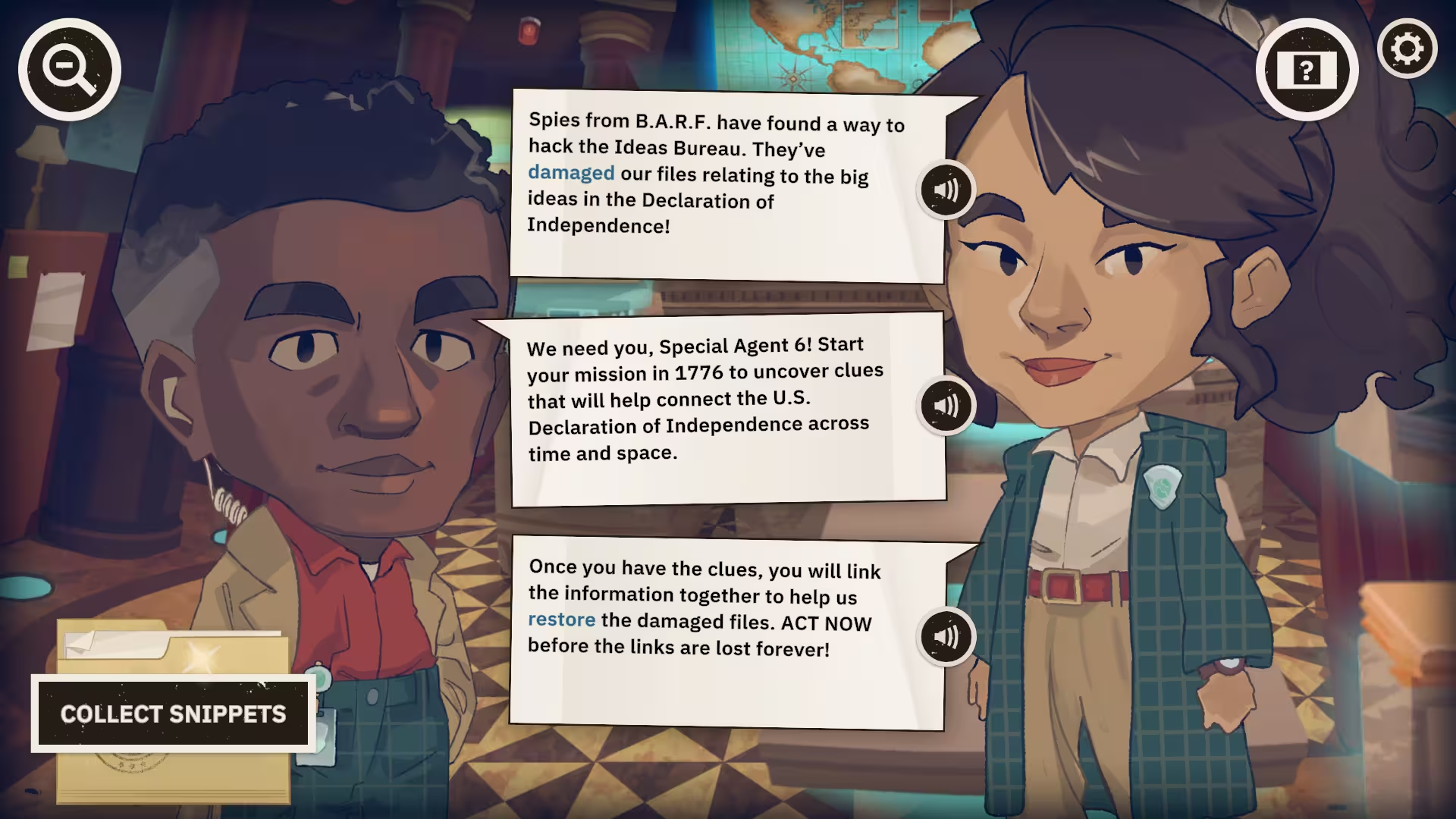
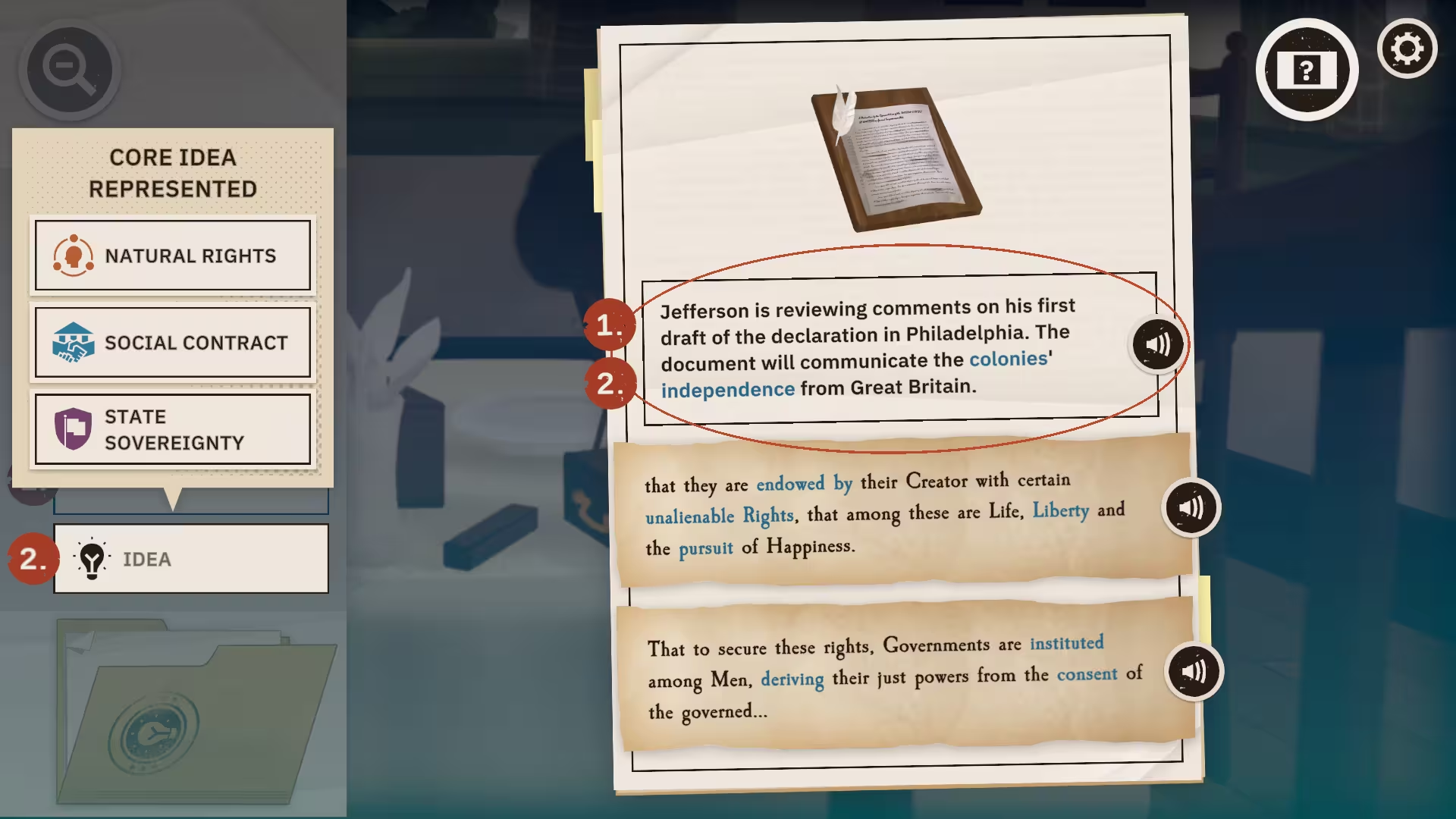
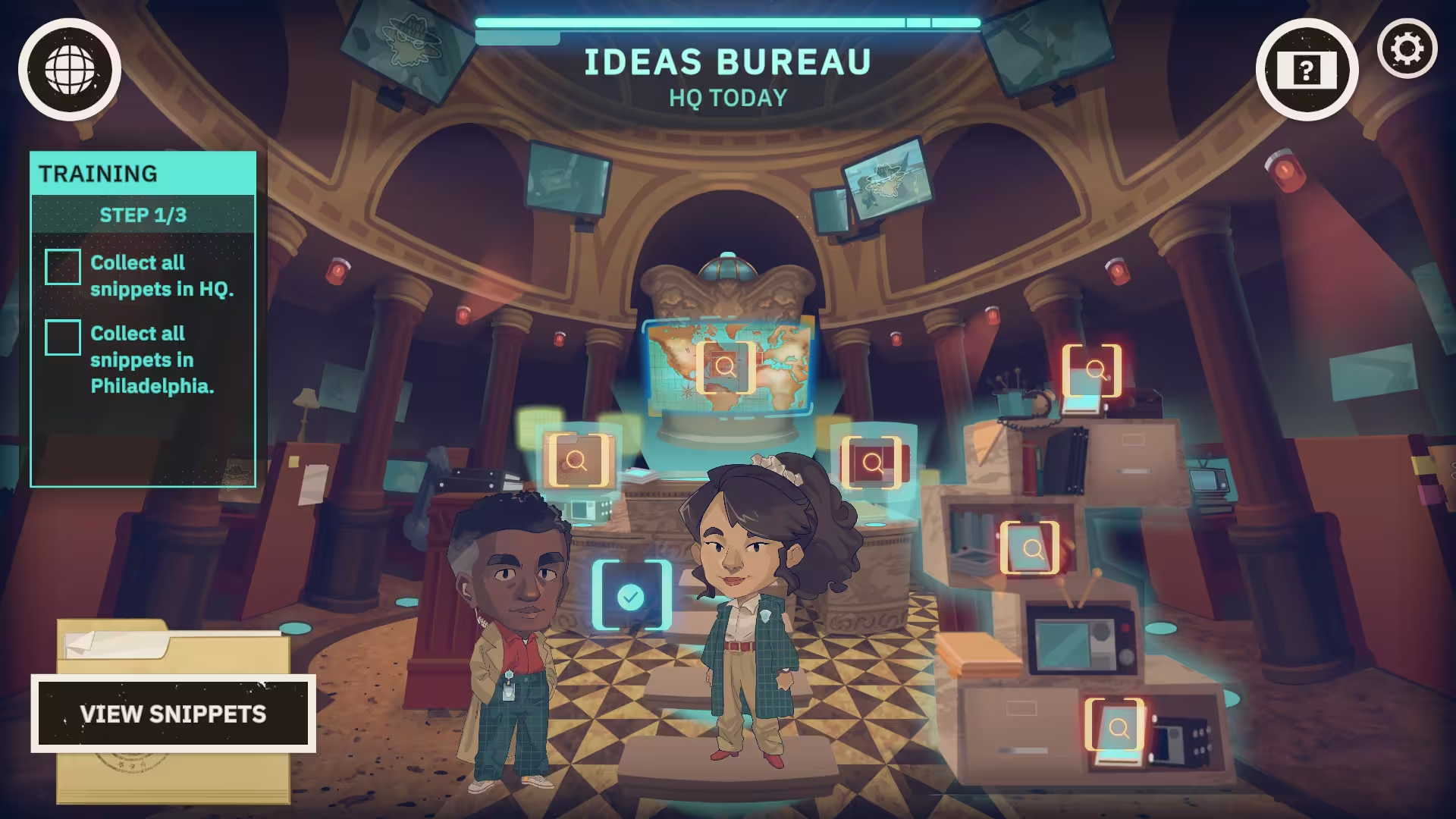
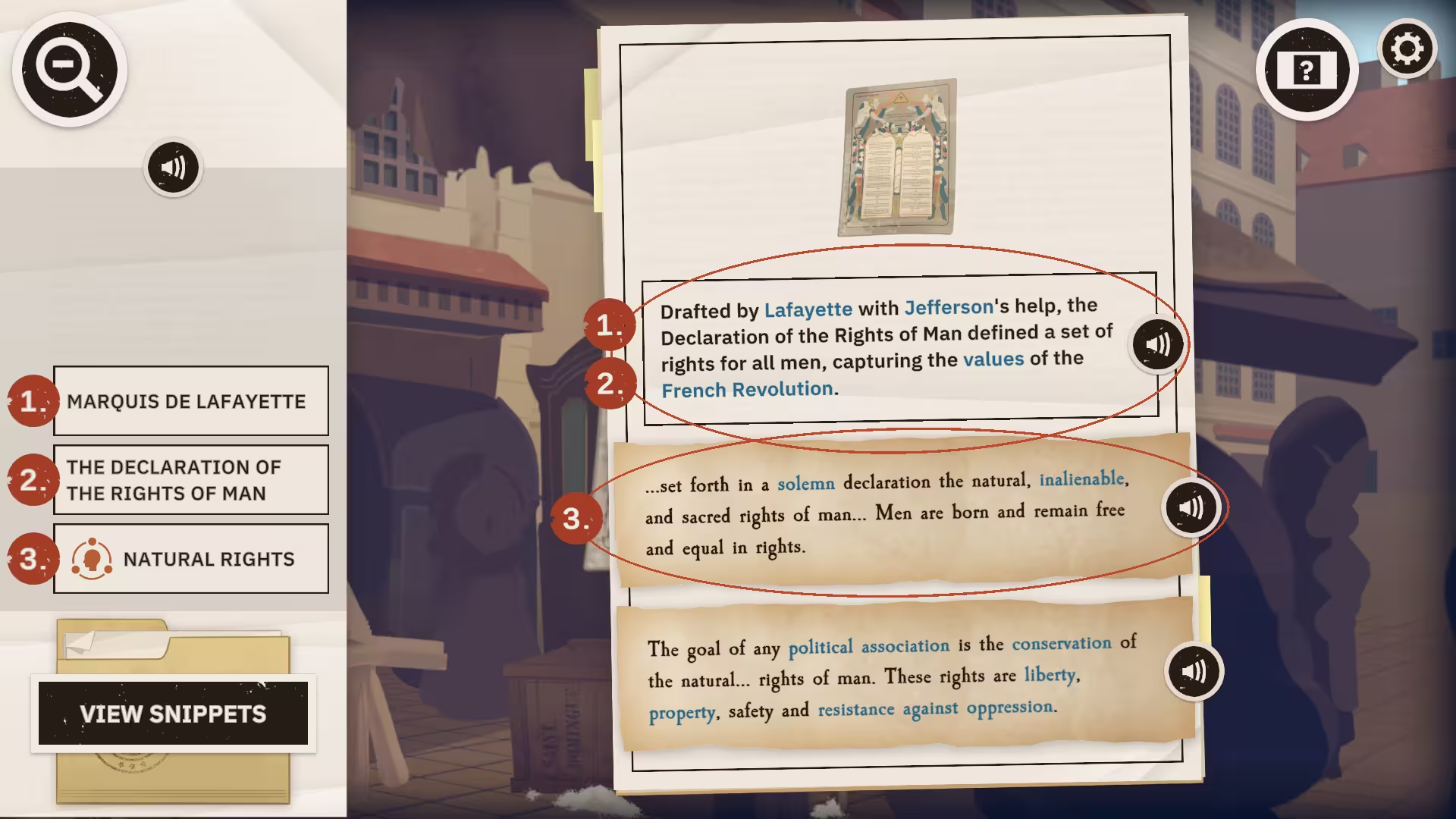
Investigation Declaration is a history and civics learning game that places students in the role of a secret agent investigating the origins of democratic ideas. Players travel across the Atlantic World and over a century of history to trace how Enlightenment principles shaped the United States Declaration of Independence and related documents. This investigative gameplay requires players to identify and connect specific philosophical influences to foundational democratic texts.
Enlightenment Philosophy, Democratic Origins, Historical Inquiry, Revolutionary Documents


Retired Supreme Court Justice Sandra Day O'Connor founded iCivics in 2009 with one mission: to reimagine civic education through interactive and engaging learning game-based learning resources. Offering a suite of over 20 web and mobile civics learning games covering topics from the federal to local level, iCivics is the largest and most active game-based learning platform in the world. Not only is the platform popular, it is also trusted by educators: when surveyed, 95% of teachers said that iCivics is a trusted and non-partisan resource which fosters civil conversations about current events in their classrooms.
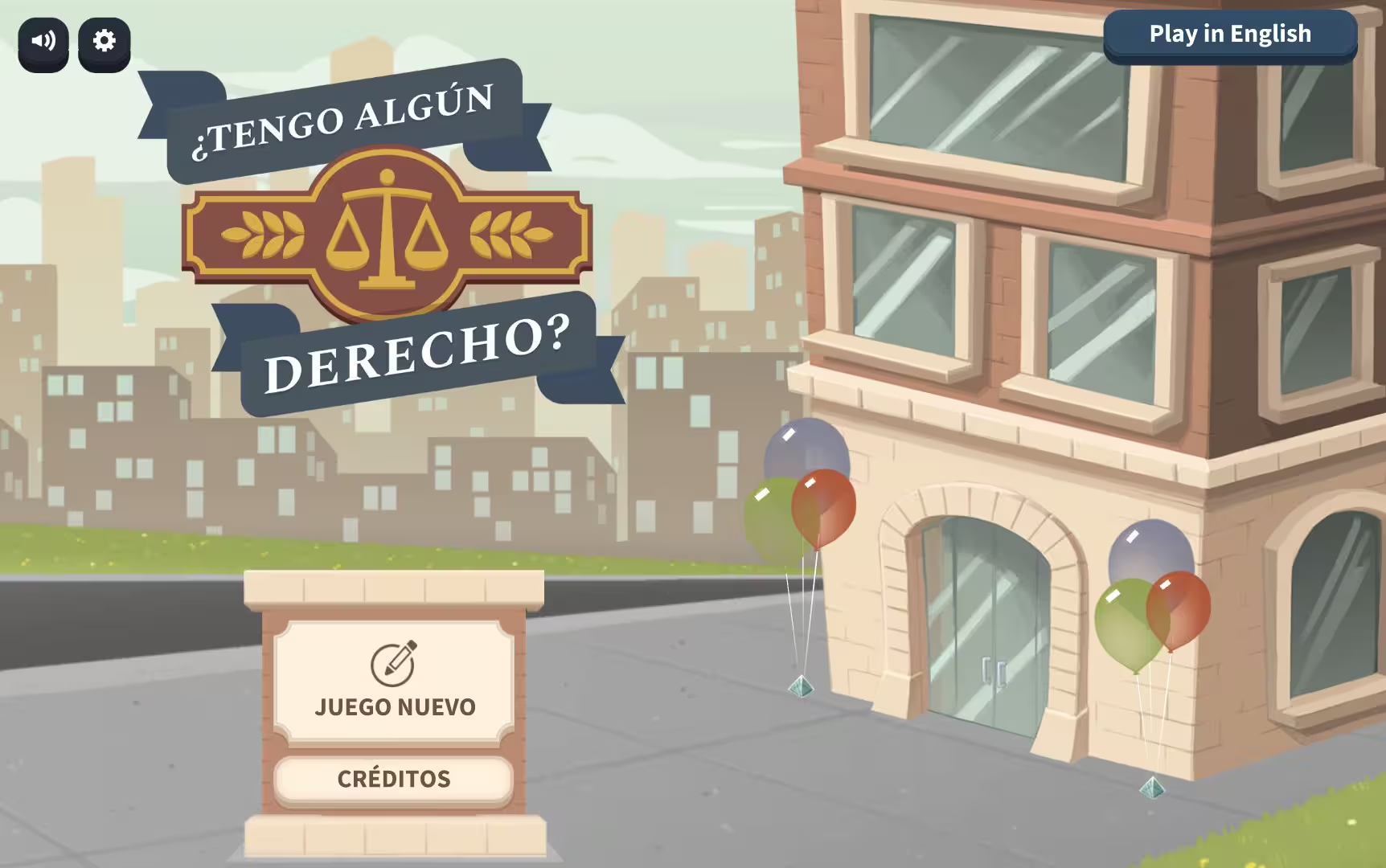
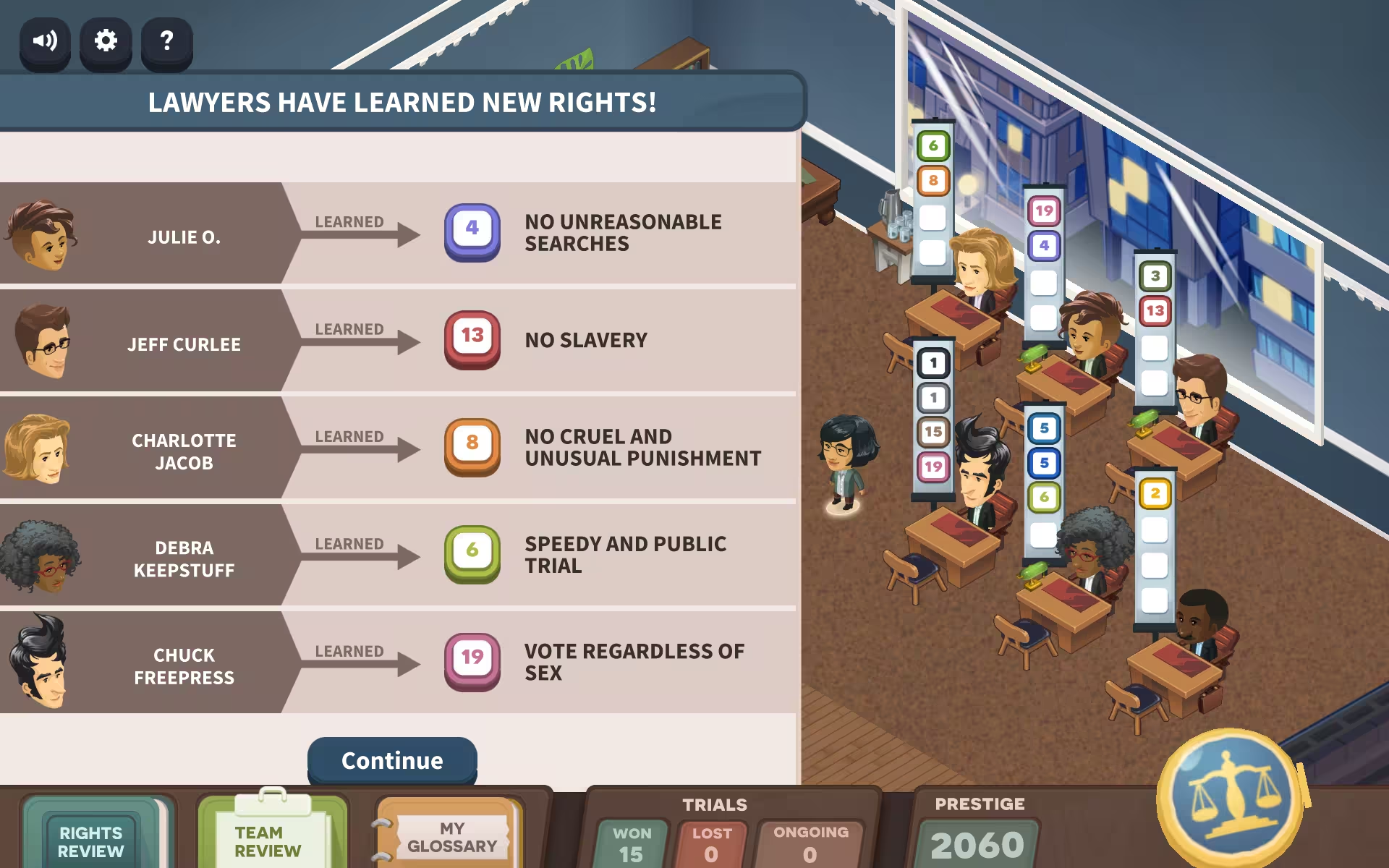
Constitutional Law, Bill of Rights, Legal Reasoning, Judicial Process
200m+ __ total game plays
145k+ __ teachers engaged annually
9m __ students reached annually
26% __ increase to student civic knowledge
36% __ increase to student civic dispositions
95% __ of iCivics teachers note students are more engaged