The Game-based Learning Review (Live!) - Alex Sarlin on AI and the Future of K-12

Home / Content Hub /
The Game-based Learning Review (Live!) - Alex Sarlin on AI and the Future of K-12
Jump to Section

Current State of VR in Schools
What Does the Research Say?
Challenges Facing VR Adoption
Best Practices from Early Adopters
The Future of VR in Education
Related Projects
Meta Quest 2 & 3
Design Thinking
12+
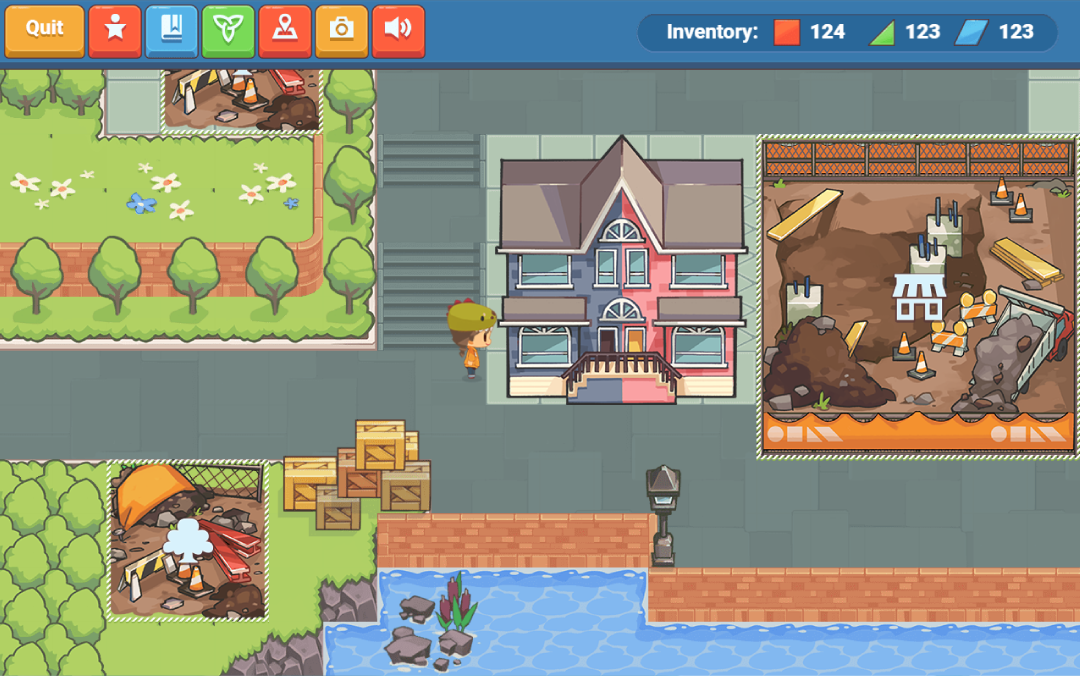
mPower Math
mPower Math is a K-6 math suite developed with TVO that focuses on building foundational skills through interactive problem solving. Players complete adaptive activities aligned to classroom learning while practicing critical thinking within varied scenarios.
Explore →Meta Quest 2 & 3
Design Thinking
12+
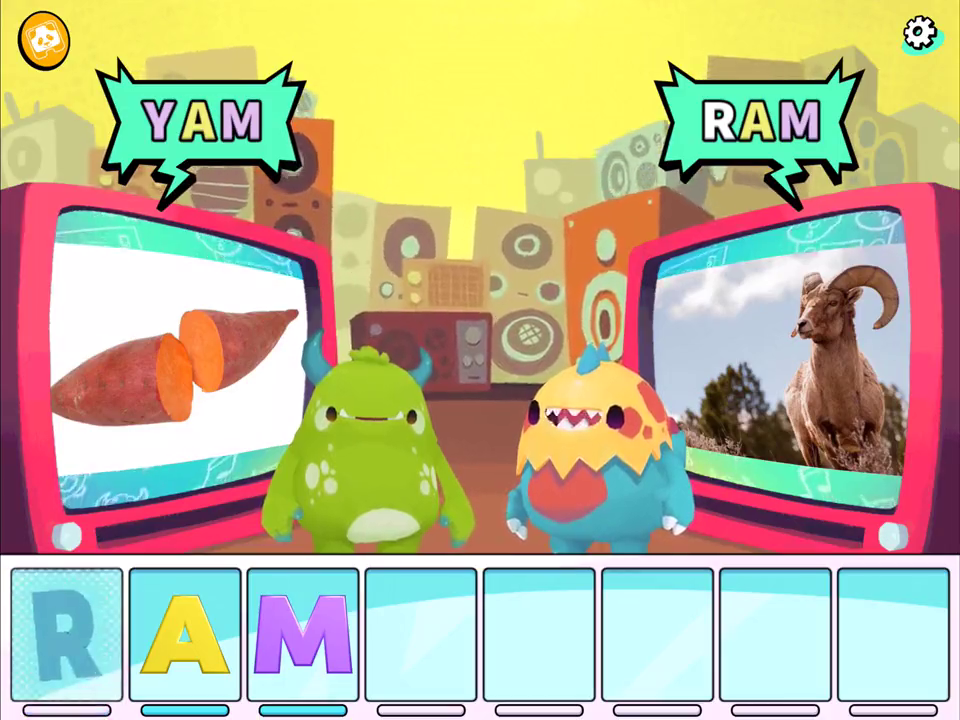
Square Panda
Square Panda is collection of early literacy games developed with Square Panda that focus on letters, phonetics, and spelling. Players place physical letters into the Square Panda Playset to hear sounds and build words while completing challenges.
Explore →Welcome back to the Game-based Learning Review! This week we debut our new interview edition, with Filament CEO Dan White stepping in as co-host and Alex Sarlin, co-founder of EdTech Insiders, joining as our guest. Alex’s path into edtech began while he was working as a tutor and substitute teacher and noticed how much of his students’ time and attention went to video games. That observation led him to graduate school, where he wrote his thesis on World of Warcraft and Club Penguin. He went on to build learning products at companies including Coursera and Scholastic before co-founding EdTech Insiders, which now reaches more than 40,000 people across the industry.
Much of the conversation centers on AI in K-12. Alex makes the case for translation as one of the most underrated AI applications in education, and the group considers how fast-moving AI tools fit with the careful pace at which districts adopt new technology. Dan explains how AI could make rapid prototyping affordable in learning game design, opening the door to ambitious games on the scale of RoboCo at a fraction of today’s cost. Tune in to hear Alex and Dan’s predictions for how K-12 schools will respond to AI over the next five years.
Episode Outline:
- [0:00 - 2:59] Brandon introduces the new interview format and welcomes Filament CEO Dan White as co-host and Alex Sarlin of EdTech Insiders as our guest.
- [3:00 - 9:07] Alex shares how his tutoring students’ love of video games led him to study game-based learning, and which conversations from 500 episodes of EdTech Insiders have most shaped his thinking.
- [9:08 - 24:24] Dan and Alex discuss Silicon Valley’s long history of enthusiasm for classroom technology and how venture timelines and district adoption cycles move at different speeds as schools set their own AI policies.
- [24:25 - 32:29] The hosts consider how K-12 balances intellectual development with preparation for work, and Alex explains how AI could open subjects like coding and the liberal arts to new kinds of classroom projects. Brandon pairs GameStar Mechanic with Rosebud as complementary tools for learning game design.
- [32:30 - 38:44] Alex names translation as the most underrated AI application in education, and Dan weighs the promise and limits of AI tutors.
- [38:45 - 47:24] Dan explains how AI could make rapid prototyping affordable in learning game design, and Alex calls for structured instruction to accompany powerful new creative tools.
- [47:25 - 1:00:06] The group compares template-based tools like Kahoot! with deep learning games like RoboCo and discusses where immersive, long-form learning fits in a student’s day.
- [1:00:07 - 1:07:46] Alex and Dan share their five-year predictions for K-12 edtech, and Brandon closes the episode with where to find EdTech Insiders.
Links:
- EdTech Insiders: Alex’s podcast and Substack newsletter cover the latest developments across the edtech industry.
- Humy: This AI platform, mentioned by Alex, lets students interview and debate more than a thousand historical figures.
- Rosebud: This prompt-based AI game generator lets users build and play their own games, and it came up during the discussion of AI prototyping.
- GameStar Mechanic: Brandon highlighted this scaffolded game, in which students learn the principles of game design by building their own levels and games.
- Kahoot!: Alex and Dan point to this template-based quiz platform as a classroom success story, since it adapts easily to existing curriculum.
You Might Also Like
ARTICLE
Designing for Comfort in VR
Best practices for preventing motion sickness while maximizing learning outcomes.
ARTICLE
Designing for Comfort in VR
Best practices for preventing motion sickness while maximizing learning outcomes.