The Game-based Learning Review (Live!) - RoboCompletionist Runs

Home / Content Hub /
The Game-based Learning Review (Live!) - RoboCompletionist Runs
Jump to Section

Current State of VR in Schools
What Does the Research Say?
Challenges Facing VR Adoption
Best Practices from Early Adopters
The Future of VR in Education
Related Projects
Meta Quest 2 & 3
Design Thinking
12+
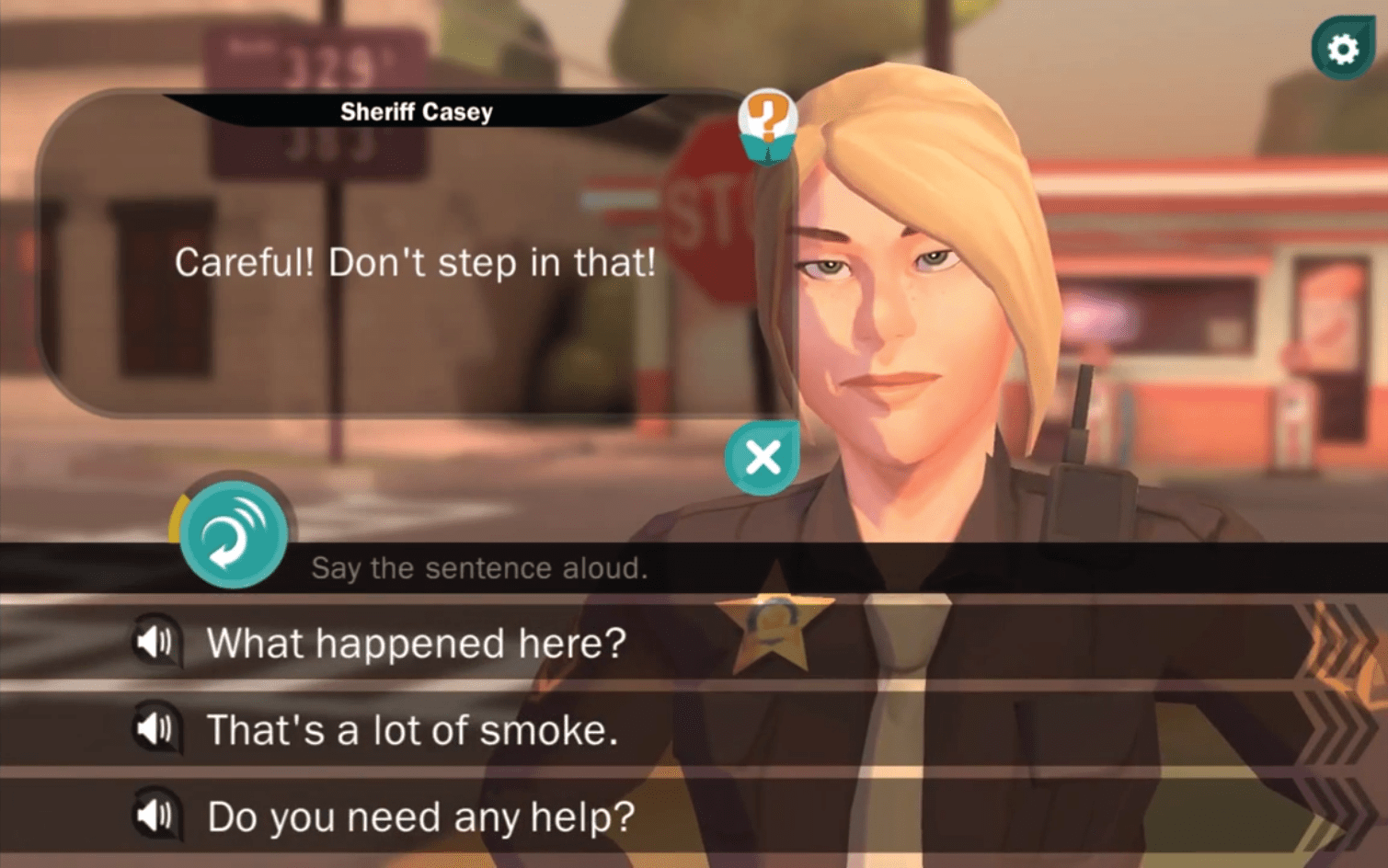
Project Colby
Project Colby is an English as a Second Language learning game developed with Amazon for non-native English speakers. The experience builds foundational speaking, reading, and listening skills through simulated conversations in a controlled, interactive environment.
Explore →Meta Quest 2 & 3
Design Thinking
12+

mPower Math
mPower Math is a K-6 math suite developed with TVO that focuses on building foundational skills through interactive problem solving. Players complete adaptive activities aligned to classroom learning while practicing critical thinking within varied scenarios.
Explore →Welcome back to the Game-based Learning Review! This week, Dan and Brandon tackle a question from chat that leads into a thoughtful discussion of competition in learning environments. Dan explains why he designs learning games so players can fail safely and keep improving, and Brandon makes the case that competition can raise the ceiling on learning for the students who thrive on it.
The hosts also compare the stakes of grading with the stakes of competitive play, including how grading on a curve ties one student’s success to the performance of their peers. After a round of Pitchdle, in which they design a physics game for bilingual third graders, they launch RoboCo for a completionist run on the Sandwich Server level and track down its hidden secrets.
Episode Outline:
- [0:00 - 1:55] Intro and sound check.
- [1:55 - 11:28] Filament Fours: sorting Mario games, typing tutors, New York Times puzzles, and citizen science games.
- [11:28 - 19:40] A viewer question on performance pressure and learning, covering competitive mechanics, cooperation, and designing for learners who are still building their skills.
- [19:40 - 22:58] A Redactle showcase and strategies for unredacting a Wikipedia article.
- [22:58 - 27:36] How the stakes of grading and assessment compare with the stakes of competition, including grading on a curve.
- [27:36 - 33:30] Pitchdle: a game that teaches Newton’s laws to bilingual third graders through a Soulslike structure.
- [33:30 - 54:35] A RoboCo completionist run on Sandwich Server, a preview of upcoming Python automation streams, and a conversation about workplace recognition as cooperative play.
- [54:35 - 55:51] Wrap-up and a look at last week’s Wednesday interview with Alex Sarlin of EdTech Insiders.
Links:
- Wordle, Connections, and Strands: New York Times word puzzles that made up one of the Filament Fours categories.
- Foldit: A citizen science game in which players fold proteins to contribute to scientific research.
- Redactle: A browser-based deduction game in which players guess words to reveal a redacted Wikipedia article.
- Baldur’s Gate 3: Discussed as an example of a game whose systemic and narrative depth supports many different paths through the same experience.
- EdTech Insiders: The podcast co-hosted by Alex Sarlin, who sat down with Dan White for last week’s Wednesday interview edition of the Game-based Learning Review.
You Might Also Like
ARTICLE
Designing for Comfort in VR
Best practices for preventing motion sickness while maximizing learning outcomes.
ARTICLE
Designing for Comfort in VR
Best practices for preventing motion sickness while maximizing learning outcomes.